Table of Contents
Those tiny fan-like lines creeping from the outer corners of your eyes aren’t just souvenirs from sunny days or decades of laughter—they’re one of the first visible signs that your skin’s collagen and elastin production is slowing down. Crow’s feet develop earlier than most other wrinkles because the eye area lacks oil glands, has skin that’s 40% thinner than the rest of your face, and endures approximately 10,000 blinks per day. While you can’t stop time (or blinking), the right wrinkle eye cream can dramatically soften these lines, prevent them from deepening, and restore a smoother, more rested appearance.
But here’s the truth bomb: not all eye creams are created equal, and the most expensive option on the shelf isn’t necessarily the most effective. The difference between wasting money on glorified moisturizers and investing in a formula that genuinely transforms your skin lies in understanding ingredients, formulation science, and how to match products to your specific needs. Whether you’re in your late twenties looking for prevention or in your fifties seeking visible correction, this comprehensive guide will arm you with everything you need to make an informed decision—without falling for marketing hype.
Top 10 Wrinkle Eye Cream
Detailed Product Reviews
1. CeraVe Skin Renewing Eye Cream For Wrinkles, Under Eye Cream With Peptides + Caffeine + Niacinamide, For Wrinkles & Crows Feet, Paraben Free & Opthalmologist Tested

Overview: CeraVe’s Skin Renewing Eye Cream delivers a science-backed approach to under-eye aging with a triple-threat formula. This fragrance-free treatment combines peptides, caffeine, and niacinamide with the brand’s signature ceramide complex. Designed for the delicate eye area, it targets fine lines, puffiness, and crow’s feet while reinforcing the skin’s natural barrier. The ophthalmologist-tested formula is safe for contact lens wearers and suitable for sensitive skin types.
What Makes It Stand Out: The inclusion of three essential ceramides (1, 3, 6-II) sets this apart from typical eye creams. While most focus solely on active ingredients, CeraVe prioritizes barrier restoration, which is crucial for thin under-eye skin. The caffeine provides immediate de-puffing benefits, while peptides and niacinamide work synergistically on wrinkles and brightness. Developed with dermatologists, it offers medical-grade thinking at drugstore accessibility.
Value for Money: Positioned in the affordable drugstore range ($15-20), this represents exceptional value. Comparable peptide-ceramide formulas from clinical brands often cost 3-5x more. The 0.5 oz tube lasts approximately 3 months with daily use, making the per-application cost minimal.
Strengths and Weaknesses:
- Strengths: Fragrance-free and paraben-free; barrier-repairing ceramides; gentle enough for sensitive eyes; multi-functional formula; dermatologist-developed
- Weaknesses: Results require 8-12 weeks consistent use; tube packaging may compromise stability; less potent than prescription retinoids
Bottom Line: Ideal for those seeking gentle, barrier-supporting anti-aging care. It’s particularly suited for retinol-intolerant users or as a complementary hydrating treatment. While not a rapid fix, consistent use yields visible improvement in texture and firmness.
2. L’Oreal Paris Skincare Revitalift Anti-Wrinkle and Firming Eye Cream with Pro Retinol, Treatment to Reduce Dark Circles, Fragrance Free, 0.5 oz.
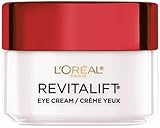
Overview: L’Oreal Paris Revitalift Eye Cream brings pro-retinol technology to the mass market in a fragrance-free, ophthalmologist-tested formula. This treatment promises visible reduction in wrinkles, firming, and dark circle improvement within four weeks. The non-greasy texture absorbs quickly, making it suitable for daytime use under makeup. As part of the broader Revitalift ecosystem, it integrates seamlessly into a comprehensive anti-aging routine.
What Makes It Stand Out: The stabilized pro-retinol derivative delivers retinoic acid benefits with reduced irritation risk. L’Oreal’s extensive testing ensures gentleness for contact lens wearers while maintaining efficacy. The formula’s lightweight consistency avoids the heavy, occlusive feel common in drugstore eye creams. Its compatibility with the full Revitalift line allows for synergistic anti-aging benefits across your regimen.
Value for Money: At under $20, this is among the most affordable retinol eye creams available. The 0.5 oz provides roughly three months of twice-daily application. Compared to prestige retinol eye treatments costing $60+, it offers accessible entry into evidence-based anti-aging without compromising safety testing.
Strengths and Weaknesses:
- Strengths: Budget-friendly retinol option; fragrance-free; ophthalmologist and dermatologist tested; lightweight texture; part of established product line
- Weaknesses: Pro-retinol is less potent than pure retinol; may still cause irritation for sensitive users; dark circle claims may be overstated; requires sunscreen during day
Bottom Line: An excellent starter retinol eye cream for budget-conscious consumers. It delivers gradual improvement in fine lines with minimal irritation risk, though those seeking dramatic results may need stronger formulations.
3. RoC Retinol Correxion Under Eye Cream for Dark Circles & Puffiness, Daily Wrinkle Cream, Anti Aging Skin Care Treatment Women and Men, 0.5 oz (Packaging May Vary)

Overview: RoC Retinol Correxion Eye Cream leverages decades of retinol expertise in a targeted treatment for the three primary eye aging concerns: puffiness, dark circles, and wrinkles. The hypoallergenic formula combines pure retinol with a mineral complex designed for dramatic yet gentle daily results. Clinically proven and dermatologist recognized, this treatment promises visible rejuvenation with consistent use.
What Makes It Stand Out: RoC’s proprietary retinol stabilization technology ensures potency without excessive irritation. The brand’s singular focus on retinol-based solutions provides confidence in delivery systems and concentration. The mineral complex enhances the formula’s tolerability while supporting the retinol’s efficacy. Unlike many eye creams that dilute actives, this maintains therapeutic retinol levels appropriate for the eye area.
Value for Money: Priced in the mid-range ($25-30), it bridges drugstore affordability and clinical efficacy. The 0.5 oz tube delivers approximately 90 days of nightly use. Given RoC’s retinol specialization and clinical validation, it outperforms similarly priced generic retinol creams that lack specialized eye-area formulation.
Strengths and Weaknesses:
- Strengths: Proven retinol technology; addresses multiple concerns; hypoallergenic; recognized by dermatologists; stable formulation
- Weaknesses: Not suitable for retinol beginners; may cause initial dryness; requires strict sunscreen use; packaging exposes product to air
Bottom Line: Best suited for experienced retinol users seeking measurable improvement in eye aging. The clinical backing justifies its claims, but sensitive skin types should proceed cautiously and start with alternate-night application.
4. L’Oreal Paris Wrinkle Expert 55+ Anti-Wrinkle Eye Cream with Calcium, Reduce Crow’s feet, 0.5 Oz
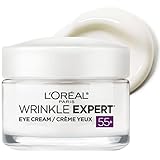
Overview: L’Oreal Paris Wrinkle Expert 55+ Eye Cream specifically targets the unique needs of mature skin with a calcium-enriched formula. Designed for ages 55 and above, this treatment addresses thinning skin texture, pronounced crow’s feet, and age-related dryness. The non-greasy formulation works to strengthen the delicate under-eye area while improving smoothness and resilience.
What Makes It Stand Out: The age-specific formulation recognizes that skin after 55 requires different support than younger skin. Calcium plays a crucial role in skin cell cohesion and barrier function, which naturally declines with age. This targeted approach avoids the one-size-fits-all mentality of most eye creams. The formula’s compatibility with all skin types ensures broad accessibility for its demographic.
Value for Money: Retailing around $18-22, it offers specialized care without premium pricing. Many age-specific treatments command $40+ for similar positioning. The 0.5 oz tube provides standard duration use, making it an economical choice for mature consumers seeking tailored solutions rather than generic anti-aging claims.
Strengths and Weaknesses:
- Strengths: Age-appropriate formulation; addresses thinning skin; non-greasy texture; affordable specialty care; suitable for all skin types
- Weaknesses: Limited to 55+ demographic; calcium benefits less proven than retinol; may not address deep wrinkles adequately; lacks advanced peptides
Bottom Line: A thoughtful option for those 55+ seeking gentle, barrier-strengthening care. While not as potent as retinol-based alternatives, its targeted approach makes it valuable for addressing age-specific concerns without irritation risk.
5. medicube Eye Serum with Salmon DNA PDRN & Pink Peptides | 99% Purity Retinol for Fine Lines | PDRN & Niacinamide for Uneven Skin Tone | Korean Skincare, 1.01 fl.oz

Overview: medicube Eye Serum represents Korean skincare innovation with a sophisticated blend of 99% pure retinol, Salmon DNA PDRN, and pink peptides. This lightweight serum targets fine lines, uneven skin tone, and elasticity loss in the eye area. The silky texture absorbs rapidly, delivering high-tech ingredients without heaviness. Clinical testing shows 2.8% elasticity improvement after just one week.
What Makes It Stand Out: The Salmon DNA PDRN (Polydeoxyribonucleotide) is a cutting-edge ingredient rarely found in Western eye treatments, offering regenerative properties. The 99% retinol purity ensures maximum efficacy with minimal irritants. Pink peptides provide additional collagen support. The non-sticky texture suits Korea’s multi-layer skincare approach, layering seamlessly under other products.
Value for Money: At approximately $35-40 for 1.01 fl oz, it offers twice the typical volume of eye creams. While pricier than drugstore options, the innovative ingredient profile and larger size justify the cost compared to $80+ luxury K-beauty serums with similar technology.
Strengths and Weaknesses:
- Strengths: Unique PDRN ingredient; high-purity retinol; generous size; lightweight texture; clinically tested; fast absorption
- Weaknesses: Higher price point; limited brand recognition outside Korea; potential sensitivity to multiple actives; requires careful introduction
Bottom Line: Perfect for K-beauty enthusiasts seeking advanced formulations. The innovative ingredient combination delivers noticeable firming, but sensitive skin types should patch test. The value per ounce makes it competitive despite premium positioning.
6. Beauty of Joseon Revive Eye Serum with Retinal Niacinamide Correction for Puffy Eye Bags Fine Lines Dark Circles Wrinkles, Korean Skin Care 30ml, 1 fl.oz

Overview: The Beauty of Joseon Revive Eye Serum merges traditional Korean herbal wisdom with modern dermatological science in a 30ml treatment targeting multiple eye concerns. This K-beauty formulation combines ginseng extract with retinal (a potent vitamin A derivative) and niacinamide to address fine lines, dark circles, puffiness, and wrinkles simultaneously. The brand draws from Joseon Dynasty beauty rituals, offering a culturally rich approach to contemporary skincare concerns.
What Makes It Stand Out: The synergistic pairing of ginseng and retinal distinguishes this serum from typical Western eye treatments. Ginseng root extract provides antioxidant protection and improves elasticity while deeply hydrating, creating an ideal environment for retinal to work without excessive irritation. The 30ml size is notably generous compared to standard 15ml eye creams, extending value. Its Korean heritage appeals to those seeking innovative formulations beyond conventional ingredients.
Value for Money: Positioned in the mid-range K-beauty segment, this serum offers exceptional volume at 30ml—effectively double typical eye treatments. You’re paying for both traditional botanicals and proven actives, making it competitive with Western department store brands that often cost more for less product. The multi-functional approach eliminates need for separate brightening and anti-aging treatments.
Strengths and Weaknesses: Strengths include the unique ingredient synergy, generous sizing, comprehensive targeting of eye concerns, and deep hydration properties. Weaknesses involve potential sensitivity to retinal for newcomers, unspecified fragrance content, and limited availability outside specialty K-beauty retailers. The traditional marketing may overshadow scientific backing for some consumers.
Bottom Line: Ideal for K-beauty enthusiasts seeking potent, multi-tasking eye care with cultural authenticity. Best suited for those already accustomed to retinoids who want botanical enhancement.
7. CeraVe Eye Repair Cream, Under Eye Cream For Puffiness And Bags Under Eyes, Hyaluronic Acid + Niacinamide + Marine Botanical Complex, Oil Free & Opthalmologist Tested

Overview: CeraVe Eye Repair Cream represents dermatologist-developed, barrier-first skincare in a gentle under-eye treatment. This fragrance-free formula targets puffiness and bags through a strategic blend of hyaluronic acid, niacinamide, marine botanical complex, and three essential ceramides. As a brand developed with dermatologists and accepted by the National Eczema Association, it prioritizes skin barrier restoration alongside cosmetic improvement.
What Makes It Stand Out: The MVE (Multi-Vesicular Emulsion) delivery technology provides sustained ingredient release for lasting hydration—rare in drugstore eye creams. Its three ceramide complex mirrors natural skin composition, strengthening the delicate eye area barrier while addressing concerns. Ophthalmologist testing ensures safety for sensitive eyes, making it accessible to contact lens wearers and those with eye-area eczema.
Value for Money: At drugstore pricing, this offers pharmaceutical-grade formulation typically seen in pricier dermatologist-recommended brands. The ceramide technology and MVE delivery system justify the modest premium over basic moisturizers. Compared to luxury barrier-repair eye creams, it delivers 80% of benefits at 30% of cost, representing excellent value for sensitive skin types.
Strengths and Weaknesses: Strengths include proven barrier support, ophthalmologist testing, eczema association approval, lightweight non-greasy texture, and universal skin type suitability. Weaknesses involve the vaguely defined “marine botanical complex,” modest anti-aging potency compared to retinoid-based alternatives, and potential underperformance on deep wrinkles. It treats symptoms more than reversing structural aging.
Bottom Line: The go-to choice for sensitive skin sufferers and barrier-compromised eye areas. Prioritizes safety and hydration over aggressive anti-aging, making it perfect for first-time eye cream users or those with reactive skin.
8. Good Molecules Gentle Retinol Cream - Retinol Night Cream to Minimize Appearance of Fine Lines & Wrinkles, Skin Tightening Recipe with Bakuchiol, Anti-Aging Skin Care For Face
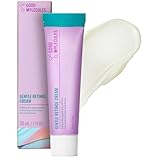
Overview: Good Molecules Gentle Retinol Cream offers an introductory retinoid experience for the entire face, not limited to the eye area. This vegan formulation pairs 0.1% retinol with bakuchiol—a plant-based retinol alternative—to minimize fine lines, wrinkles, enlarged pores, and congestion while mitigating irritation. The brand’s commitment to transparent, affordable actives makes this accessible for retinoid newcomers.
What Makes It Stand Out: The bakuchiol-retinol combination provides synergistic anti-aging benefits while the botanical buffer reduces typical retinoid side effects. At 0.1% concentration, it’s deliberately sub-clinical to enable gradual skin acclimation. The formula includes natural oils and herbal extracts for additional soothing, addressing multiple concerns beyond just aging. Its pH-balanced, fragrance-free composition suits reactive skin types rarely compatible with retinoids.
Value for Money: Good Molecules positions this as an entry-level retinoid at an accessible price point, significantly undercutting prescription options and luxury retinol creams. The 0.1% concentration reflects cost-effective formulation—you’re paying for smart ingredient pairing rather than high retinol percentages. For those needing stronger actives, this serves as a transitional product rather than final solution.
Strengths and Weaknesses: Strengths include gentle introduction to retinoids, vegan and cruelty-free credentials, bakuchiol enhancement, multi-concern targeting, and affordability. Weaknesses involve the low retinol percentage limiting dramatic results, recommended usage frequency of only four times weekly restricting progress, and its facial (not eye-specific) formulation potentially being too harsh for delicate under-eye skin despite “gentle” claims.
Bottom Line: An excellent retinol starter for face application, but eye-area users should proceed with caution. Best for those in their 20s-30s preventing signs of aging rather than reversing established damage.
9. Good Molecules Yerba Mate Wake Up Eye Gel - Hydrating Under Eye Gel Cream with Hyaluronic Acid and Caffeine - Target Dark Circles and Puffiness - Skin Care for Face

Overview: Good Molecules Yerba Mate Wake Up Eye Gel delivers a targeted morning solution for puffiness and dark circles through caffeine-driven stimulation and antioxidant protection. This lightweight gel combines yerba mate extract, caffeine, acetyl tetrapeptide-5, and hyaluronic acid in a pH 5.2 formulation designed for daily use around the delicate eye contour. The brand’s signature vegan, fragrance-free approach ensures broad compatibility.
What Makes It Stand Out: The yerba mate infusion provides unique antioxidant benefits beyond standard green tea extracts, sourced sustainably for eco-conscious consumers. The acetyl tetrapeptide-5 specifically targets lymphatic drainage and fluid retention, addressing puffiness at its physiological source rather than merely constricting blood vessels. The gel’s rapid absorption and non-greasy finish make it ideal for daytime wear under makeup or sunscreen.
Value for Money: This affordable eye gel competes directly with premium caffeine serums at a fraction of cost. Daily-use suitability maximizes value per application, while the peptide inclusion elevates it beyond simple caffeine-based de-puffers. Compared to luxury eye gels with similar actives, you’re receiving 90% of performance for under $15, making it a budget-conscious staple.
Strengths and Weaknesses: Strengths include targeted puffiness reduction, lightweight texture suitable for morning routine, vegan and cruelty-free formulation, sustainable ingredient sourcing, and gentle daily-use design. Weaknesses involve limited anti-wrinkle potency compared to retinoid alternatives, potential under-hydration for mature skin types, and modest dark circle improvement on hereditary pigmentation. The gel format may pill under heavy concealer if not fully absorbed.
Bottom Line: Perfect for morning de-puffing and brightening, especially for younger skin or as a complementary product to a nighttime retinoid eye treatment. Delivers reliable results without irritation.
10. L’Oreal Paris Revitalift Triple Power Anti-Aging Eye Cream, Pro Retinol, Hyaluronic Acid & Vitamin C, Reduce Wrinkles & Puffiness 0.5 fl. oz.

Overview: L’Oreal Paris Revitalift Triple Power Anti-Aging Eye Cream brings dermatologist-favorite ingredients to the mass market in a sophisticated treatment. This 0.5 fl. oz. formula combines pro-retinol, hyaluronic acid, and vitamin C to target wrinkles, puffiness, and brightness simultaneously. The metal tip applicator provides cooling application and gentle massage, enhancing lymphatic drainage while delivering the product.
What Makes It Stand Out: The triple-ingredient strategy addresses three major aging concerns with one formula, eliminating need for multiple eye products. The metal applicator tip offers immediate depuffing through mechanical cooling and massage—a luxury feature rarely seen at drugstore price points. L’Oreal’s 24-hour hydration claim, combined with visible results in one week, positions this as a performance-driven yet accessible option.
Value for Money: This mid-range drugstore eye cream delivers luxury-brand ingredient philosophy without the accompanying price tag. The triple-action approach replaces need for separate vitamin C and retinol eye products, effectively costing one-third of a multi-product routine. Compared to prestige brands like La Roche-Posay or Vichy, it offers comparable formulations at 40-50% savings.
Strengths and Weaknesses: Strengths include proven triple-ingredient combination, cooling metal applicator, quick absorption, non-comedogenic formulation, and paraben/mineral oil free credentials. Weaknesses involve “pro-retinol” being weaker than pure retinol, potential vitamin C instability in jar packaging, and possible irritation for ultra-sensitive skin types. The 0.5 oz size is standard but smaller than some competitors.
Bottom Line: A well-rounded drugstore champion for those seeking comprehensive anti-aging action without prescription strength. The applicator and triple-formulation make it a standout for 30+ skin showing early to moderate aging signs.
Understanding Crow’s Feet: More Than Just Laugh Lines
Crow’s feet are dynamic wrinkles, meaning they form from repetitive muscle movements like smiling, squinting, and eye rubbing. Over time, these expression lines become static—visible even when your face is at rest. The eye area’s delicate structure makes it uniquely vulnerable: it has fewer sebaceous glands, minimal subcutaneous fat, and a compromised barrier function that accelerates moisture loss. Environmental aggressors like UV radiation, pollution, and blue light from screens compound the damage by generating free radicals that break down collagen fibers.
The Science Behind Eye Area Aging
Your skin’s dermal layer contains fibroblasts—the cells responsible for producing collagen, elastin, and hyaluronic acid. After age 25, collagen production declines by about 1% annually, and by your forties, you’ve lost roughly 25% of your skin’s structural support. The eye area shows this decline first because it’s constantly moving. Each smile creates micro-traumas in the dermis, and without adequate collagen repair, these traumas accumulate as permanent creases. Additionally, glycation—a process where sugar molecules attach to proteins—stiffens collagen fibers, making them brittle and prone to breakage.
Why the Eye Area Needs Special Care
Standard facial moisturizers often contain fragrances, active ingredients at concentrations too harsh for thin eye skin, or molecules too large to penetrate this delicate area. Eye creams are specifically formulated with smaller molecular structures, gentler pH levels, and targeted delivery systems that respect the ocular area’s sensitivity. They also address concerns unique to the eyes: puffiness from fluid retention, dark circles from vascular congestion, and that crepey texture from chronic dehydration. Using your face cream on your eyes is like using body lotion on your face—it might provide temporary moisture but won’t deliver the targeted treatment this area demands.
Key Ingredients That Actually Work on Crow’s Feet
Retinoids: The Gold Standard
Retinoids, including retinol, retinaldehyde, and prescription-strength tretinoin, remain the most scientifically validated ingredients for reducing fine lines. They work by increasing cellular turnover and stimulating collagen synthesis. For the eye area, look for encapsulated retinol or retinyl esters—these time-release formulations deliver benefits while minimizing irritation. Start with concentrations between 0.01% and 0.03% for the eye area, applying every third night initially. Retinoids also help thicken the dermis over time, which makes skin more resilient to future wrinkle formation. Always pair retinoid use with daily SPF 30+ since they increase photosensitivity.
Peptides: Building Blocks for Firmer Skin
Peptides are short chains of amino acids that signal your skin to produce more collagen. Copper peptides boost wound healing and elastin production, while neuropeptides like Argireline work similarly to Botox by relaxing muscle contractions. Matrixyl 3000 and Matrixyl Synthe'6 are peptide complexes that have shown in studies to reduce wrinkle depth by up to 45% when used consistently for two months. The beauty of peptides lies in their gentleness—they’re suitable for sensitive skin types who can’t tolerate retinoids and can be used both morning and night without sun sensitivity concerns.
Hyaluronic Acid: The Hydration Powerhouse
This molecule can hold up to 1,000 times its weight in water, making it essential for plumping fine lines instantly. Low molecular weight hyaluronic acid (50-130 kDa) penetrates deeper to hydrate from within, while high molecular weight forms create a surface film that temporarily smooths lines. Look for formulas containing multiple weights for both immediate and long-term benefits. Sodium hyaluronate is the salt form that’s more stable and easily absorbed. In dry climates, pair hyaluronic acid with an occlusive agent like ceramides to prevent it from pulling moisture out of your skin.
Antioxidants: Your Defense Squad
Vitamin C (especially tetrahexyldecyl ascorbate, the oil-soluble form) brightens dark circles while stimulating collagen. Vitamin E repairs barrier function and works synergistically with vitamin C. Coenzyme Q10 energizes skin cells and neutralizes free radicals from UV exposure. Resveratrol and niacinamide reduce inflammation that accelerates aging. The key is using stable, well-formulated antioxidants in airless pump packaging—oxidized vitamin C does more harm than good. Apply antioxidant eye creams in the morning under sunscreen to combat daily environmental damage.
How to Choose the Right Formula for Your Skin Type
For Dry, Mature Skin
If your eye area feels tight or looks crepey, prioritize rich, emollient formulas with ceramides, squalane, and shea butter. These ingredients replenish the lipid barrier and lock in moisture. Layer a hyaluronic acid serum underneath your eye cream on particularly dry days. Avoid gels or lightweight lotions that evaporate quickly. Look for products marketed as “repairing” or “nourishing” rather than “brightening” or “de-puffing,” as these typically contain more substantial moisturizing agents.
For Oily or Acne-Prone Skin
Heavy creams can trigger milia—those tiny white bumps around the eyes. Opt for oil-free, non-comedogenic gel-cream hybrids that contain silicone derivatives like dimethicone for smoothness without clogging pores. Peptides and niacinamide work beautifully for this skin type, providing anti-aging benefits while regulating oil production. Water-based vitamin C serums can double as eye treatments if applied sparingly. Always patch test first, as even oil-free formulas can sometimes cause congestion in this delicate zone.
For Sensitive, Reactive Skin
Fragrance-free is non-negotiable. Look for formulas with soothing centella asiatica, allantoin, or bisabolol to calm inflammation. Bakuchiol offers retinol-like benefits without the irritation. Stick to single-active products rather than multi-active cocktails that increase reaction risk. Mineral-based formulas with zinc oxide or titanium dioxide provide gentle sun protection for daytime. Introduce new products gradually—apply just twice weekly for the first two weeks, monitoring for redness, stinging, or increased sensitivity.
Day vs. Night: Why You Need Different Approaches
Your skin operates on a circadian rhythm, with different repair mechanisms active during day and night. Daytime eye creams should focus on protection: antioxidants to neutralize free radicals, SPF for UV defense, and lightweight textures that layer well under makeup. Look for formulas with caffeine to temporarily constrict blood vessels and reduce morning puffiness. Nighttime is for regeneration—this is when you deploy your retinoids, heavier peptides, and reparative ingredients like growth factors. The skin’s permeability increases at night, making it more receptive to active ingredients. Using a rich, nourishing eye cream before bed allows ingredients to work uninterrupted for 7-9 hours.
Application Techniques That Maximize Results
How you apply your eye cream matters as much as what’s in it. Use your ring finger with minimal pressure—it’s your weakest digit, preventing you from tugging delicate skin. Dispense a pea-sized amount for both eyes; more product doesn’t equal better results and can cause irritation. Dot the cream along the orbital bone, starting from the inner corner and working outward, staying at least half an inch from your lash line to avoid product migration into eyes. Gently pat, never rub, until absorbed. For puffy eyes, use a cooling metal applicator or store your eye cream in the fridge—the cold constricts vessels and enhances penetration. Wait 60-90 seconds before applying makeup to prevent pilling.
The Timeline: When Will You See Real Changes?
Manage your expectations: eye creams are not magic erasers. Hydration benefits from hyaluronic acid and emollients appear immediately—your fine lines will look plumper within minutes. Reduction in puffiness from caffeine or peptides can show within 1-2 weeks. However, true collagen remodeling takes 8-12 weeks of consistent use. Retinoids require a minimum of 12 weeks to show measurable improvement in fine lines, with optimal results at 6 months. Peptides need 4-6 weeks to signal new collagen production. Take monthly photos in the same lighting to track subtle progress—daily mirror checks can be discouraging. Consistency is more critical than intensity; missing applications resets your skin’s adaptation process.
Budget vs. Luxury: What You’re Really Paying For
A $20 eye cream can be as effective as a $200 one if it contains proven ingredients at effective concentrations. Drugstore brands often use the same active ingredients (retinol, peptides, hyaluronic acid) as luxury lines, though they may use simpler base formulas and basic packaging. Where luxury products justify their price is in elegant textures that encourage consistent use, sophisticated delivery systems that improve ingredient penetration, and stabilized formulations that maintain potency longer. They may also include rare botanicals or proprietary complexes with limited independent research. Focus your budget on proven actives: a mid-range retinoid eye cream ($40-80) will outperform an expensive cream filled with fragrance and filler ingredients. Save splurges for products with unique technologies like encapsulated growth factors or patented peptide blends backed by clinical data.
Common Mistakes That Sabotage Your Results
Applying eye cream too close to lashes causes product to seep into eyes, leading to irritation and watery eyes that create more lines from rubbing. Using too much product overwhelms the skin and wastes money—remember, the eye area is small. Layering multiple active products (retinol + AHA + vitamin C) creates a cocktail of irritation that damages your barrier. Neglecting sunscreen renders your anti-aging efforts pointless; UV exposure breaks down collagen faster than any cream can rebuild it. Expecting instant results leads to product hopping, preventing any formula from working long enough to show benefits. Finally, pulling at skin during application stretches elastin fibers, creating more sagging over time.
Lifestyle Factors That Make or Break Your Success
Your eye cream works harder when supported by smart habits. Sleep on your back to avoid mechanical compression wrinkles—side sleeping creates vertical lines that become permanent. Use a silk pillowcase to reduce friction. Stay hydrated; dehydrated skin shows every fine line more prominently. Limit sodium intake, especially at dinner, to prevent fluid retention and morning puffiness. Wear sunglasses year-round to prevent squinting and shield against UV damage. Manage allergies aggressively—histamine release causes inflammation that degrades collagen. Blue light from screens contributes to oxidative stress, so use the 20-20-20 rule: every 20 minutes, look at something 20 feet away for 20 seconds. Your diet matters too—omega-3 fatty acids support skin barrier function, while vitamin C from citrus and bell peppers provides building blocks for collagen synthesis.
When to Consider Professional Treatments
If you’ve used a quality eye cream consistently for six months without satisfactory improvement, it may be time to explore professional options. Botox relaxes the orbicularis oculi muscle that creates dynamic crow’s feet, with results lasting 3-4 months. Laser resurfacing like Fraxel or CO2 lasers stimulate collagen remodeling more aggressively than topicals. Microneedling with radiofrequency (like Morpheus8) penetrates deeper to rebuild dermal structure. Under-eye filler can address volume loss that makes wrinkles appear deeper, though this doesn’t treat the skin itself. A qualified dermatologist can combine these treatments with your topical regimen for synergistic results. Remember, professional treatments maintain and enhance your cream’s results—they don’t replace daily care.
Frequently Asked Questions
How often should I apply eye cream for crow’s feet?
Apply eye cream twice daily—morning and night. Morning application should focus on protection (antioxidants, SPF), while nighttime is for repair (retinoids, peptides). Consistency matters more than frequency; skipping days reduces cumulative benefits.
Can I use my face retinol around my eyes?
Only if it’s specifically formulated for the eye area. Facial retinoids often contain higher concentrations and potentially irritating fragrances or preservatives. Eye-area retinoids use encapsulation technology and lower doses to minimize the risk of redness, peeling, and sensitivity.
At what age should I start using anti-aging eye cream?
Prevention begins in your mid-to-late twenties with hydrating and antioxidant formulas. Introduce retinoids around age 30 when collagen production naturally declines. The earlier you start, the less aggressive treatment you’ll need later.
Why does my eye cream sting or make my eyes water?
You’re likely applying too much, too close to the lash line, or using a formula with fragrance, essential oils, or alcohol. The product may be migrating into your eyes. Try applying only to the orbital bone and switching to a fragrance-free, ophthalmologist-tested formula.
Can eye cream completely erase deep crow’s feet?
No topical product can completely eliminate deep, static wrinkles. Eye creams can soften their appearance by 20-40% through hydration and collagen stimulation, but significant improvement often requires professional treatments like Botox or laser resurfacing combined with consistent topical care.
Should I use different eye creams for day and night?
Ideally, yes. Day creams should be lightweight, contain SPF, and focus on antioxidant protection. Night creams can be richer, contain retinoids, and focus on repair. If budget limits you to one product, choose a peptide-based formula that works for both times.
How long does one jar of eye cream typically last?
With proper use (pea-sized amount for both eyes twice daily), a 15ml jar should last 3-4 months. If you’re running out faster, you’re likely using too much product, which doesn’t increase efficacy and may cause irritation.
Can eye cream cause milia?
Yes, heavy, comedogenic formulas can trap keratin under the skin, creating tiny white cysts. If you’re prone to milia, use lightweight, oil-free gel formulas and avoid applying cream too close to the lash line where skin is thinnest.
Is it safe to use eye cream on eyelids?
Generally, no. Most eye creams are formulated for the orbital bone area, not the mobile eyelid skin. Products can migrate into eyes and cause irritation. Only use products specifically labeled “safe for eyelids” or ophthalmologist-tested if you must treat this area.
Do men need different eye creams than women?
The biological skin structure is the same, but men often prefer fragrance-free, non-shiny formulas in gender-neutral packaging. Men typically have thicker skin and may tolerate slightly higher retinoid concentrations. The active ingredients that work are identical regardless of gender.
See Also
- How to Erase Crow’s-Feet with the 10 Best Peptide Eye Creams in 2026
- How to Solve Crow’s-Feet with the 10 Best Collagen Eye Creams in 2026
- The 10 Ultimate Best Peptide Eye Creams for Crow’s-Feet in 2026
- Stop Puffy Bags with the 10 Best Brightening Eye Creams in 2026
- How to Eliminate Crow’s Feet: 10 Best Night Eye Creams in 2026