Table of Contents
If you’re navigating the tricky waters of combination skin, you already know the struggle: an oily T-zone that shines by noon while your cheeks feel tight and flaky. Finding ingredients that address both extremes without tipping the scales further feels like searching for a unicorn. Enter niacinamide—the dermatologist-beloved form of vitamin B3 that’s revolutionizing how we treat complex skin types. Unlike harsh actives that aggressively target one issue, niacinamide serums work intelligently to regulate sebum production, strengthen compromised barriers, and deliver hydration exactly where your skin needs it most.
But here’s the catch: not all niacinamide serums are created equal, especially when your skin can’t decide what it wants to be. The concentration, formulation, and complementary ingredients can make the difference between a transformative addition to your routine and a product that sits unused on your shelf. This comprehensive guide breaks down everything you need to know about selecting a dermatologist-approved niacinamide serum specifically designed for the unique demands of combination skin—no brand bias, just science-backed insights to help you make an informed decision.
Top 10 Niacinamide Face Serums
Detailed Product Reviews
1. The Ordinary Niacinamide 10% + Zinc 1%, Smoothing Serum for Blemish-Prone Skin, 1 Fl Oz

Overview: The Ordinary’s Niacinamide 10% + Zinc 1% has become the gold standard for affordable, effective skincare. This water-based serum delivers a potent 10% dose of vitamin B3 combined with oil-regulating zinc PCA, specifically targeting blemish-prone skin. The formulation focuses on core active ingredients without unnecessary fillers, embodying the brand’s “clinical formulations with integrity” philosophy. It’s designed to improve brightness, smooth texture, and minimize pores within one to four weeks of consistent use.
What Makes It Stand Out: This serum democratized high-strength niacinamide, making it accessible at a fraction of competitor prices. The minimalist formula contains only 11 ingredients, eliminating potential irritants like fragrance and essential oils. Its lightweight texture absorbs quickly and layers well under moisturizers. The brand’s radical transparency about concentrations and pH levels empowers consumers to make informed decisions. The clinical testing claims—showing oil control in 3 days and pore reduction in 4 weeks—are backed by visible results for most users.
Value for Money: Exceptional value. This sets the benchmark for affordable serums, typically retailing under $15. You’re getting a proven active concentration without paying for marketing hype or luxury packaging. Comparable serums cost 3-5 times more for similar efficacy.
Strengths and Weaknesses: Pros: Unbeatable price, effective concentration, minimalist formula, widely available, stacks well with other products. Cons: Can pill under certain moisturizers; 10% may irritate very sensitive skin; lacks additional soothing ingredients; patchy availability due to popularity.
Bottom Line: For those new to niacinamide or seeking reliable, budget-friendly blemish control, this is the clear choice. It delivers measurable results without financial commitment, making it ideal for consistent, long-term use.
2. Naturium Niacinamide Face Serum 12% Plus Zinc 2%, Anti-Aging, Pore Minimizer & Dark Spot Corrector with Hyaluronic Acid & Vitamin E, Vegan & Cruelty-Free, 1 oz

Overview: Naturium’s 12% Niacinamide Serum positions itself as a more potent alternative to entry-level options, combining a higher concentration of active ingredients with skin-barrier support compounds. This advanced formula targets multiple concerns simultaneously—aging, blemishes, and hyperpigmentation—while maintaining a commitment to clean, vegan skincare. The addition of hyaluronic acid and vitamin E creates a more sophisticated, multi-tasking approach to daily treatment.
What Makes It Stand Out: The elevated 12% niacinamide and 2% zinc PCA concentration offers enhanced efficacy for stubborn concerns. Unlike simpler formulas, this includes hyaluronic acid for hydration and vitamin E for antioxidant protection, reducing the need for additional layering. The brand’s rigorous standards—dermatologist-tested, pH-appropriate, and free from parabens, gluten, and synthetic fragrances—appeal to conscious consumers. Its suitability for all skin types, including aging and sensitive, demonstrates thoughtful formulation.
Value for Money: Strong mid-range value. While pricier than budget options, the higher actives concentration and additional beneficial ingredients justify the cost. You’re essentially getting three products in one: niacinamide treatment, hydrator, and antioxidant serum.
Strengths and Weaknesses: Pros: Higher potency, multi-benefit formula, clean ingredient standards, gentle enough for sensitive skin, made in USA. Cons: Increased concentration may cause initial irritation; more expensive than basic serums; requires gradual introduction; results may vary for darker spots.
Bottom Line: Excellent upgrade for users who’ve plateaued with 10% serums. The thoughtful formulation balances potency with skin health, making it worth the modest premium for those seeking comprehensive benefits.
3. Good Molecules Niacinamide Serum - 10% Niacinamide to Target Blemishes, Nourishment, and Skin Tone - Ultra Hydrating Serum and Brightening Skin Care for Face
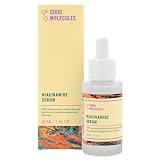
Overview: Good Molecules Niacinamide Serum strikes a careful balance between efficacy and gentleness, offering a 10% concentration in a pH-optimized, non-drying formula. This serum specifically addresses the common complaint of niacinamide causing dryness or irritation, focusing on barrier support while delivering brightening and blemish-fighting benefits. The brand emphasizes inclusivity with a fragrance-free, cruelty-free formulation suitable for daily use across all skin types.
What Makes It Stand Out: The pH-balanced formula (7.1) sets this apart from more acidic serums, reducing irritation potential significantly. Rather than relying solely on high actives, it prioritizes skin comfort and barrier integrity, making it ideal for compromised or reactive skin. The non-drying approach means you can use it twice daily without the tightness associated with some treatments. Good Molecules’ commitment to gentle yet effective formulations at accessible prices makes this a thoughtful alternative to harsher options.
Value for Money: Competitive pricing similar to The Ordinary, offering excellent value. You’re getting a more sophisticated, skin-friendly base without a price increase, making it accessible for long-term, twice-daily use.
Strengths and Weaknesses: Pros: pH-balanced and gentle, non-drying formula, fragrance-free, suitable for sensitive skin, layers beautifully, affordable. Cons: 10% concentration may be insufficient for severe concerns; lacks zinc for oil control; slower visible results for stubborn issues; limited availability in physical stores.
Bottom Line: Perfect for those who’ve experienced irritation with other niacinamide serums or have sensitive skin. It delivers consistent, gentle results without compromising barrier health, making it ideal for daily, worry-free use.
4. Tree of Life Beauty Niacinamide Vitamin B3 Serum, Hydrating Face Oil for Dark and Age Spots, Tightens Pores, Facial Serums for Sensitive Skin with Hyaluronic Acid and Vitamin E, 2 Fl Oz

Overview: Tree of Life’s Niacinamide Serum takes a gentler approach with a 5% concentration, positioning itself as the introductory option for sensitive skin or niacinamide newcomers. This serum emphasizes hydration and soothing benefits alongside its brightening properties, incorporating hyaluronic acid, vitamin E, and certified organic aloe vera. The generous 2-ounce size and eco-conscious formulation appeal to those seeking value and natural ingredients in their skincare routine.
What Makes It Stand Out: The lower 5% concentration makes this uniquely approachable for those intimidated by higher percentages or with extremely reactive skin. The inclusion of organic aloe vera provides genuine soothing properties, while the double-sized bottle offers exceptional longevity. The brand’s focus on eco-friendly, dermatologist-tested, cruelty-free formulations resonates with environmentally conscious consumers. Its “face oil” designation is misleading—it’s actually a hydrating serum—but highlights the nourishing approach.
Value for Money: Outstanding value due to the 2-ounce size, effectively doubling typical serum volume. While the lower concentration means slower progress, the extended supply and gentle formulation justify the slightly higher upfront cost.
Strengths and Weaknesses: Pros: Extremely gentle for sensitive skin, large size lasts months, organic soothing ingredients, hydrating formula, dermatologist-tested. Cons: 5% concentration yields slower results; may not control oil effectively; not potent enough for severe blemishes; texture slightly tacky for some users.
Bottom Line: Ideal for beginners, those with very sensitive skin, or anyone wanting a maintenance-level niacinamide treatment. The gentle approach and generous size make it a low-risk introduction to vitamin B3 benefits.
5. COSRX 15% Niacinamide Face Serum, 0.67 fl oz, Pore Minimizer Serum for Face, Even Skin Tone, Korean Skin Care

Overview: COSRX’s 15% Niacinamide Serum represents the maximum strength end of the spectrum, delivering the highest concentration in this comparison. This Korean skincare powerhouse targets stubborn pore congestion, excess oil, and uneven texture with clinical precision. The smaller 0.67-ounce size reflects its potent, treatment-focused nature, designed for those who’ve built tolerance and need aggressive intervention for persistent skin concerns.
What Makes It Stand Out: The 15% niacinamide concentration is significantly higher than standard offerings, providing accelerated results for pore minimization and oil control. COSRX leverages Korean skincare innovation to create a formula that remains stable and effective despite the high active percentage. The inclusion of Zinc PCA at an optimized ratio prevents the purging sometimes associated with high-strength treatments. This is specifically formulated for resilient skin that hasn’t responded to lower concentrations.
Value for Money: Premium pricing per ounce due to high concentration and import costs. While expensive relative to size, the potency means you use less product and see faster results, potentially offsetting the cost for those needing intensive treatment.
Strengths and Weaknesses: Pros: Maximum strength for stubborn concerns, rapid pore and oil control, Korean skincare quality, minimal ingredient list, highly concentrated. Cons: High irritation risk—not for beginners; very small size; requires strict patch testing; may cause initial breakouts; expensive per ounce.
Bottom Line: Best reserved for experienced users with resilient, oily, or pore-congested skin who’ve plateaued with lower strengths. The potency demands respect, but delivers unmatched results for appropriate skin types.
6. The Ordinary Niacinamide 5% Face and Body Emulsion, Dark Spot & Skin Tone Corrector, 3.4 Fl Oz
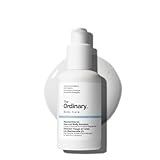
Overview: The Ordinary Niacinamide 5% Face and Body Emulsion represents a budget-conscious approach to comprehensive skin tone correction. This 3.4 fl oz treatment targets dark spots and unevenness across the face, neck, chest, and arms while delivering immediate hydration and long-term barrier support. Formulated with a moderate 5% concentration, it promises visible improvements in three weeks and smoother texture within one week.
What Makes It Stand Out: The face-and-body versatility is genuinely unique in the niacinamide market, addressing discoloration in frequently overlooked areas. The generous size—over three times standard facial serums—combined with The Ordinary’s science-backed, minimalist formulation philosophy creates exceptional accessibility. Clinical testing across all skin tones demonstrates inclusive efficacy.
Value for Money: Outstanding. This offers approximately 3-4 times the volume of typical 1 oz serums at a comparable price, reducing cost per ounce by 60-70%. For those treating multiple body areas, the savings are substantial compared to purchasing separate products.
Strengths and Weaknesses: Strengths include versatile application, gentle concentration for beginners, barrier-supporting benefits, and unbiased testing. Weaknesses involve lower potency requiring extended use for significant results, potentially less refined texture than premium brands, and absence of complementary actives like zinc or peptides.
Bottom Line: An excellent entry-level option for full-body hyperpigmentation treatment. While patience is required, the unparalleled value and versatility make it indispensable for consistent, head-to-toe skincare routines.
7. Good Molecules 5% Niacinamide Serum with Ectoin - Ultra Hydrating Serum to Target Enlarged Pores and Blemishes - Moisturizing, Pore Minimizer for Face - Skin Care

Overview: Good Molecules 5% Niacinamide Serum with Ectoin positions itself as a gentle, hydration-focused solution for pore refinement and blemish control. This dual-action formula balances niacinamide’s tone-correcting properties with ectoin’s protective, moisture-binding capabilities, making it particularly suitable for sensitive or reactive skin types.
What Makes It Stand Out: The inclusion of ectoin, a rare ingredient in this price category, provides advanced barrier support and environmental protection. The precisely balanced pH of 7.1 ensures optimal efficacy without irritation, while the fragrance-free, cruelty-free formulation aligns with clean beauty standards. Good Molecules’ transparent approach to gentle yet effective skincare distinguishes this from harsher alternatives.
Value for Money: Very good. Positioned in the affordable mid-range, it delivers a sophisticated ingredient profile typically found in premium serums costing twice as much. The 1 oz size offers a standard 2-3 month supply at an accessible price point.
Strengths and Weaknesses: Strengths include exceptional gentleness, superior hydration, suitability for all skin types including sensitive, and clean formulation ethics. Weaknesses are the modest 5% concentration requiring longer timelines for dramatic results, limited impact on severe hyperpigmentation, and absence of oil-control actives like zinc for very oily skin types.
Bottom Line: Ideal for those prioritizing skin barrier health alongside gradual tone improvement. If you have sensitive skin or want a non-irritating daily serum that hydrates while it corrects, this delivers exceptional quality without premium pricing.
8. opigen Niacinamide 22% + Zinc Serum for Face, Pore Reducer, Diminishes Acne Prone, Skin Balancing Pore Reducing, Korean Skin Care, 1oz

Overview: opigen Niacinamide 22% + Zinc Serum represents an ultra-potent, specialized treatment for severe oiliness and pore congestion. This Korean skincare formulation delivers an exceptionally high 22% niacinamide concentration—far exceeding typical over-the-counter serums—paired with zinc to aggressively target acne-prone skin, sebum overproduction, and enlarged pores.
What Makes It Stand Out: The extreme 22% potency places this in a rare category for intensive intervention, offering potential rapid results for stubborn concerns. The zinc addition provides synergistic oil control and antimicrobial action. Its Korean beauty origins suggest advanced delivery systems, though the brand provides minimal supporting ingredient details.
Value for Money: Fair. The 1 oz size is standard, but the high concentration requires only a few drops per use, extending lifespan. However, limited usability due to irritation risk reduces practical value for many consumers compared to more balanced formulations.
Strengths and Weaknesses: Strengths include maximum efficacy for severe oil control, rapid pore refinement, and potent acne management. Significant weaknesses involve extreme irritation potential—most skin types tolerate maximum 10-12%—complete absence of soothing or hydrating ingredients, lack of transparent formulation details, and potential barrier damage with improper use.
Bottom Line: A niche product exclusively for experienced users with resilient, very oily skin. Requires meticulous patch testing and gradual introduction. The overwhelming majority should opt for 10-12% alternatives that balance efficacy with safety. Not recommended for sensitive, dry, or combination skin types.
9. Eclat Skincare Clarifying Niacinamide Serum - 12% Niacinamide with Zinc PCA & Hyaluronic Acid - Hydrating & Soothing Formula - Face Serum for Minimizing Pores and Improving Skin Texture 1 Fl Oz

Overview: Eclat Skincare Clarifying Niacinamide Serum offers a thoughtfully balanced 12% niacinamide formulation designed as a comprehensive skin solution. Infused with zinc PCA for oil regulation, hyaluronic acid for hydration, and a botanical antioxidant complex including green tea, licorice root, and rosemary, this serum addresses pores, uneven tone, and moisture retention simultaneously in a clean, vegan, fragrance-free formula.
What Makes It Stand Out: The strategic 12% concentration represents the upper limit of tolerability for most skin types, delivering potent results without excessive irritation risk. The multi-active ingredient stack creates a self-sufficient treatment that reduces the need for separate hydrating or antioxidant serums. Eclat’s commitment to natural, cruelty-free ingredients without compromising performance distinguishes it in a crowded market.
Value for Money: Very good. While priced above budget brands, the sophisticated formulation and multiple active ingredients provide serum consolidation value. The 1 oz size delivers a standard 2-3 month supply, and the comprehensive approach offsets costs of additional products.
Strengths and Weaknesses: Strengths include optimal concentration for efficacy, complete ingredient synergy, ethical formulation, and immediate hydration. Weaknesses involve potential initial adjustment period for niacinamide newcomers, limited size for body application, and possible over-potency for extremely sensitive skin.
Bottom Line: A superior choice for intermediate to advanced users seeking a streamlined routine. It masterfully balances multiple skin concerns while maintaining barrier integrity. Particularly recommended for combination and oily skin types wanting maximum benefit from a single serum.
10. Good Molecules Niacinamide Serum – 10% Niacinamide to Target Blemishes, Nourishment, and Skin Tone – Ultra Hydrating & Brightening Skin Care for Face – 75 ml / 2.53 fl oz

Overview: Good Molecules Niacinamide Serum – 10% represents the brand’s elevated offering, doubling the potency while preserving its gentle, user-friendly philosophy. This 75ml treatment targets blemishes, uneven tone, and enlarged pores with a dermatologist-favored 10% concentration that balances visible results against irritation risk. The non-drying, pH-balanced formula ensures daily usability for most skin types.
What Makes It Stand Out: The 10% concentration occupies the ideal efficacy zone—strong enough for significant improvement yet gentle enough for regular use. The exceptional 2.53 oz size dwarfs standard serums, providing unmatched longevity. Maintaining the skin-friendly pH of 7.1 and fragrance-free, cruelty-free formulation demonstrates the brand’s commitment to accessible, ethical skincare without performance compromises.
Value for Money: Outstanding. The large format delivers 2.5 times typical volume at a competitive mid-range price, slashing cost per ounce by over 50%. Daily users can expect 4-6 months of consistent use, making it exceptionally economical for an effective concentration.
Strengths and Weaknesses: Strengths include optimal potency, generous size, non-irritating daily-use formula, and broad suitability. Weaknesses involve possible over-strength for niacinamide virgins, lack of zinc for dedicated oil control, and potential stability concerns with extended 6-month use periods.
Bottom Line: The most balanced high-performance niacinamide serum for the majority of users. It achieves professional results at an unbeatable value with minimal side effects. Highly recommended for combination and oily skin types ready to move beyond beginner formulations.
Why Niacinamide Is a Game-Changer for Combination Skin
Combination skin presents a biological paradox: overactive sebaceous glands in some areas and underperforming barrier function in others. Niacinamide addresses this duality through multiple mechanisms simultaneously. It inhibits the transfer of triglycerides and fatty acids to the skin surface, which reduces that stubborn midday shine on your forehead, nose, and chin. Simultaneously, it stimulates ceramide synthesis, fortifying the lipid barrier in drier regions like your jawline and cheeks.
What makes this ingredient particularly valuable is its non-acidic, non-irritating nature. Unlike salicylic acid or retinoids that can exacerbate dryness while controlling oil, niacinamide operates at a neutral pH, making it compatible with your skin’s natural ecosystem. Research published in the Journal of Cosmetic Dermatology demonstrates that consistent use can reduce sebum production by up to 23% in oily areas while increasing hydration levels by 28% in dry patches within four weeks.
Understanding Concentration Levels: From 2% to 10% and Beyond
The percentage of niacinamide in your serum isn’t just a marketing number—it directly impacts efficacy and potential for irritation. For combination skin, the sweet spot typically ranges between 5% and 10%, but understanding the nuances of each tier helps you make a smarter selection.
Concentrations below 5% offer gentle barrier support and minimal oil regulation, making them suitable for those just introducing actives or with extremely reactive skin. The 5% mark represents the clinical threshold where studies show significant improvement in pore appearance and sebum control. Moving up to 10% delivers more dramatic results for persistent congestion and uneven texture, but requires careful formulation to prevent the flushing or irritation that can occur when niacinamide purity is compromised.
Anything above 10% enters a gray area. While some advanced formulations push toward 15-20%, these higher concentrations don’t necessarily translate to better results for combination skin and may increase the risk of nicotinic acid conversion, which triggers unwanted redness and warmth.
The Science Behind pH and Formulation Stability
Niacinamide’s stability is pH-dependent, and this technical detail separates exceptional serums from mediocre ones. The ideal pH range falls between 5.0 and 7.0—close to your skin’s natural acidic mantle. When formulations drift too acidic (below pH 4), niacinamide can hydrolyze into nicotinic acid, creating that notorious burning sensation and facial flushing.
Quality formulations employ pH buffers and stabilizing agents to maintain integrity throughout the product’s shelf life. Look for opaque or amber glass bottles that protect against UV degradation, which can alter pH over time. Airless pumps are superior to dropper bottles because they minimize oxidation and contamination, preserving the serum’s delicate balance from first use to last drop.
Key Complementary Ingredients to Look For
The magic of a niacinamide serum often lies in its supporting cast. For combination skin, certain co-ingredients amplify benefits while maintaining equilibrium. Zinc PCA works synergistically to further reduce excess oil without over-drying, while hyaluronic acid provides weightless hydration that won’t clog pores. N-acetyl glucosamine enhances niacinamide’s ability to fade post-inflammatory hyperpigmentation, particularly valuable if you experience breakouts in your oily zones.
Ceramides and cholesterol help rebuild the barrier in dry areas, creating a truly balanced formula. For added antioxidant protection, look for low concentrations of vitamin E or ferulic acid, which stabilize the formula while providing free radical defense. Avoid serums loaded with heavy oils or butters high on the ingredient list—these can overwhelm your T-zone while providing unnecessary richness to already-balanced areas.
Ingredients to Avoid in Combination Formulas
Not every ingredient plays nicely with niacinamide in the same bottle. High concentrations of alpha hydroxy acids (AHAs) or beta hydroxy acids (BHAs) combined with niacinamide can destabilize both actives and irritate combination skin’s sensitive zones. While niacinamide and vitamin C can coexist, formulas containing L-ascorbic acid at low pH alongside high-dose niacinamide may cause flushing in some individuals.
Alcohol denat, often used to create a lightweight feel, can severely compromise barrier function in dry areas, counteracting niacinamide’s benefits. Similarly, heavy silicones might make oily zones feel suffocated and increase congestion risk. Fragrance and essential oils, while making products sensorially appealing, pose unnecessary risks for reactive combination skin types.
Texture Matters: Finding Your Ideal Serum Consistency
The vehicle delivering niacinamide significantly impacts how it performs on combination skin. Water-light, gel-based serums absorb rapidly into oily areas without leaving residue, while still penetrating drier zones effectively. These formulations typically contain humectants like glycerin or butylene glycol that draw moisture into skin cells without adding weight.
Avoid cream-serum hybrids or milky emulsions unless they’re specifically engineered with oil-control technology. These heavier textures can feel luxurious on cheeks but create a greasy film on foreheads. The ideal texture should spread easily, absorb within 30 seconds, and leave a satin—not shiny—finish on your nose and chin while making cheeks feel comfortably hydrated, not tight.
Packaging That Protects Potency
Niacinamide is relatively stable compared to other actives, but it’s not invincible. Transparent glass bottles allow light degradation that gradually reduces efficacy, especially if you store products in a bright bathroom. Opt for opaque, UV-protective packaging that shields the formula from both light and air exposure.
Airless pump technology represents the gold standard, dispensing precise amounts while preventing oxygen from entering the container. This matters because repeated opening of dropper bottles introduces air and bacteria, potentially altering the pH and creating an environment where niacinamide breaks down into irritants. If you must choose a dropper bottle, ensure it’s dark amber and commit to storing it in a cool, dark drawer.
The “Dermatologist-Approved” Label: What It Really Means
This coveted phrase isn’t regulated, which means any brand can claim dermatologist approval. True dermatologist endorsement involves clinical testing, review of formulation stability data, and often patch testing on sensitive skin populations. Look for products that specify “dermatologist-tested” rather than just “approved,” as testing implies actual evaluation.
Some brands employ dermatologists as consultants who review ingredient lists and concentrations for safety and efficacy. The most rigorous products undergo third-party clinical trials with combination skin participants, measuring sebum levels, hydration, and barrier function objectively. These studies should be referenced on the brand’s website or available upon request—transparency separates marketing fluff from genuine medical backing.
How to Integrate Niacinamide Into Your Combination Skin Routine
Introducing any active requires strategic placement in your existing regimen. For combination skin, niacinamide serum works best applied to clean, slightly damp skin, allowing the water content to help distribute the active evenly across different facial zones. Wait approximately 60 seconds for absorption before layering subsequent products.
Start with three times weekly application, observing how different areas respond. Oily zones may tolerate daily use within a week, while drier areas might need a slower ramp-up. Consider applying a hydrating toner to cheeks first if they’re particularly parched, creating a buffer that doesn’t diminish niacinamide’s efficacy on your T-zone.
Morning Application Strategies
AM use of niacinamide offers distinct advantages for combination skin. It regulates daytime sebum production, keeping shine at bay for hours. Apply after cleansing but before moisturizer and sunscreen. The serum creates a smooth canvas, helping makeup adhere better to oily areas while preventing foundation from clinging to dry patches.
If you use a vitamin C serum in the morning, apply it first (assuming it’s L-ascorbic acid based), wait two minutes, then follow with niacinamide. Modern formulations allow these actives to coexist without the historic concerns about conversion to niacin, but the wait time ensures optimal performance of both.
Evening Application Protocols
Nighttime application focuses on barrier repair and oil regulation that works while you sleep. Cleanse thoroughly, apply niacinamide serum, then follow with a lightweight moisturizer. If you’re using retinoids, apply them after niacinamide has absorbed—niacinamide can actually buffer retinoid irritation while enhancing its anti-aging benefits.
For combination skin experiencing breakouts, evening use allows niacinamide to work uninterrupted by sunscreen or makeup, optimizing its anti-inflammatory effects on active blemishes while strengthening the barrier in drier regions.
Combining Niacinamide With Other Active Ingredients
The true power of niacinamide emerges when strategically paired with other actives—just not necessarily in the same bottle. In your broader routine, niacinamide plays well with most ingredients, making it a versatile team player. Use it alongside salicylic acid treatments applied only to congested areas; the niacinamide will calm inflammation while the BHA clears pores.
With retinoids, niacinamide reduces the infamous retinization period by up to 40%, according to clinical data. It also works beautifully with peptides for anti-aging concerns and azelaic acid for post-inflammatory hyperpigmentation. The only combination requiring caution is layering with high-dose vitamin C (above 15% L-ascorbic acid), which may cause flushing in sensitive individuals—space these applications by 10 minutes or use them at different times of day.
Patch Testing: The Non-Negotiable First Step
Even dermatologist-approved formulas can trigger unexpected reactions in combination skin’s diverse zones. Perform a split-face patch test: apply the serum to your inner forearm first, wait 24 hours, then test on a small area of your jawline (representing dry zones) and another on your temple (representing oily areas). This reveals how different facial regions will respond.
Watch for immediate warmth or tingling that subsides within minutes—this is normal. Persistent redness, itching, or small bumps after 24-48 hours signal incompatibility. Combination skin might react in one zone but not the other, informing you to apply strategically rather than abandoning the product entirely.
Budget vs. Premium: Where to Invest Your Skincare Dollars
Effective niacinamide serums exist at every price point, but cost differences often reflect formulation sophistication rather than raw ingredient quality. Budget-friendly options typically deliver pure niacinamide in simple bases, which works wonderfully for many combination skin types. The trade-off may be less elegant textures or basic packaging that requires careful storage.
Premium formulations justify their price through advanced delivery systems (like encapsulation for time-release effects), comprehensive clinical testing on combination skin specifically, and sophisticated blends of complementary ingredients that target multiple concerns simultaneously. They often invest in airless packaging and stability testing that extends shelf life. For combination skin, investing more makes sense if you’re seeking a multi-tasking product that replaces several steps in your routine.
Seasonal Adjustments for Year-Round Results
Combination skin’s behavior shifts dramatically with the seasons, and your niacinamide serum strategy should adapt accordingly. During summer humidity, you might find a higher concentration (10%) necessary to control increased oil production, while the same formula could over-dry cheeks in winter. Consider dropping to 5% in colder months or applying a richer moisturizer over the serum only on dry zones.
In transitional seasons (spring and fall), combination skin often becomes more unpredictable. This is the ideal time to re-patch test your serum and potentially adjust application frequency. Some users find success with using a stronger formula on the T-zone and a gentler version on the perimeter of the face—a technique called “zone therapy” that dermatologists sometimes recommend for particularly challenging combination skin.
Red Flags: When to Stop Using a Niacinamide Serum
Even the most carefully selected serum can become problematic. Discontinue use immediately if you experience persistent flushing that lasts more than five minutes, burning sensations, or new breakouts in previously clear areas. These signs indicate either ingredient incompatibility or a compromised barrier that needs repair before reintroducing actives.
If your oily zones become paradoxically oilier or your dry patches develop fine scaling, the formula may be disrupting your skin’s natural moisturizing factors. Take a one-week break, focus on barrier repair with ceramide-rich moisturizers, then reintroduce slowly. Sometimes, the issue isn’t niacinamide itself but the supporting ingredients or the concentration being too aggressive for your current skin condition.
Frequently Asked Questions
1. Can I use niacinamide serum every day if I have combination skin?
Yes, most combination skin types can use niacinamide serum daily once tolerance is established. Start with 3-4 times per week for the first two weeks, then increase to daily application as your skin adjusts. Monitor both oily and dry zones separately—if dryness increases, maintain less frequent application on cheek areas while using it daily on your T-zone.
2. How long should I wait to see results on my combination skin?
Oil regulation improvements typically appear within 2-3 weeks, while barrier strengthening in dry areas requires 4-6 weeks of consistent use. Pore appearance refinement and hyperpigmentation fading may take 8-12 weeks. Combination skin often shows asynchronous results, with oily zones responding faster than drier regions.
3. Will niacinamide make my oily areas more oily?
No, niacinamide cannot increase oil production. If your T-zone appears shinier after starting a niacinamide serum, the formula likely contains occlusive ingredients that trap sebum, or you’re using too much product. Switch to a lighter, water-based formula and reduce application to a pea-sized amount for the entire face.
4. Can I layer niacinamide serum under my retinoid treatment?
Absolutely. Niacinamide not only pairs safely with retinoids but actually enhances tolerability. Apply niacinamide first, wait 60-90 seconds for absorption, then apply your retinoid. This sequence reduces retinoid-induced irritation by up to 40% while allowing both actives to work at optimal pH levels.
5. What’s the ideal concentration for combination skin beginners?
Start with 5% niacinamide. This concentration delivers clinically proven oil regulation and barrier benefits without overwhelming sensitive zones. Once you’ve used it successfully for 3-4 months, you can consider graduating to 10% if your oily areas need stronger sebum control or you’re targeting stubborn hyperpigmentation.
6. Should I apply niacinamide to wet or dry skin?
Apply to slightly damp skin after cleansing. The residual moisture helps spread the serum evenly across combination skin’s varied textures, ensuring both oily and dry zones receive proper coverage without requiring excess product. Pat gently rather than rubbing to prevent pilling, especially on oilier areas.
7. Can niacinamide serum replace my moisturizer for combination skin?
No, niacinamide serum and moisturizer serve different functions. The serum delivers active treatment, while moisturizer seals in hydration and provides additional barrier support. However, if your T-zone is very oily, you might find that a niacinamide serum plus lightweight sunscreen is sufficient for daytime, using a proper moisturizer only on dry zones.
8. Why does my niacinamide serum cause pilling on my oily areas?
Pilling occurs when the serum’s film-forming agents interact with excess sebum or incompatible products underneath. Use less product on oily zones (a rice-grain amount for forehead and nose), ensure previous skincare layers are fully absorbed, and avoid silicone-heavy primers or moisturizers immediately after application.
9. Is it normal for my cheeks to feel tight after applying niacinamide?
Mild tightness that resolves within a minute is normal as the serum absorbs. Persistent tightness indicates the formula may be too potent for your dry zones or lacks sufficient humectants. Layer a hydrating toner underneath on cheeks only, or switch to a niacinamide serum specifically formulated with additional barrier-supporting ingredients.
10. How do I know if a niacinamide serum is actually dermatologist-approved versus just marketed that way?
Look for specific claims like “dermatologist-tested on combination skin” or “clinically evaluated in a 50-subject trial.” Reputable brands publish summary results or white papers on their websites. True dermatologist involvement includes reviewing stability data, concentration appropriateness, and patch test results—not just a paid endorsement of the ingredient itself.
See Also
- 10 Dermatologist-Approved Face Serums for Rosacea-Prone Skin in 2026
- 10 Best Face Serums for Combination Skin That Balance and Hydrate in 2026
- 10 Antioxidant Face Serums Recommendations for Sensitive Skin in 2026
- 10 Best Face Serums with CBD for Calming Irritated Skin in 2026
- 10 Best Collagen Serums for Mature Skin in 2026