Table of Contents
There’s something uniquely frustrating about eczema on your hands. Unlike other areas you can hide, your hands are constantly on display—and more importantly, constantly in use. Every handwash, every drop of dish soap, every cold winter gust can trigger that familiar cycle of itching, cracking, and pain. If you’re reading this, you probably know the desperation of trying cream after cream, only to find your hands still red and raw. The good news? By 2026, dermatological science has delivered significantly more sophisticated formulations specifically designed for this challenging area. The key isn’t just grabbing any tube labeled “for sensitive skin"—it’s understanding what truly makes a hand cream worthy of dermatologist approval for eczema-prone skin.
This comprehensive guide cuts through marketing noise and focuses exclusively on the science-backed criteria that matter. Whether you’re dealing with occupational irritant dermatitis from constant handwashing, allergic contact eczema triggered by specific ingredients, or atopic dermatitis that manifests primarily on your hands, the principles remain the same. We’ll explore what separates genuinely therapeutic hand creams from merely moisturising ones, the ingredient innovations that have emerged in recent years, and how to build a hand care strategy that actually works with your skin rather than against it.
Top 10 Hand Creams Eczema
Detailed Product Reviews
1. Gold Bond Medicated Eczema Relief Hand Cream, 3 oz., Skin Protectant Cream With 2% Colloidal Oatmeal

Overview: Gold Bond’s Medicated Eczema Relief Hand Cream delivers targeted therapy for eczema-afflicted hands in a convenient 3-ounce tube. This skin protectant combines 2% colloidal oatmeal with seven moisturizers and three vitamins to address the five primary eczema symptoms: itching, dryness, scaling, roughness, and redness. Specifically formulated for hands, which endure frequent washing and environmental stress, this cream offers a medicated approach to daily symptom management.
What Makes It Stand Out: The National Eczema Association’s Seal of Acceptance lends significant credibility, assuring users of its safety and efficacy for sensitive skin. Unlike standard moisturizers, this medicated formula provides active relief rather than just hydration. The inclusion of colloidal oatmeal at 2% concentration offers natural anti-inflammatory benefits, while the vitamin complex supports skin barrier repair. Its hand-specific formulation acknowledges that hand eczema requires different care than body eczema, creating a targeted solution.
Value for Money: At 3 ounces, this tube is priced competitively within the medicated skincare category, typically ranging from $6-9. While more expensive per ounce than basic lotions, it’s substantially more affordable than prescription alternatives. The concentrated formula means a small amount covers hands effectively, extending the product’s lifespan. For those specifically battling hand eczema, the targeted formulation justifies the premium over generic moisturizers.
Strengths and Weaknesses: Strengths include dermatologist testing, hypoallergenic formulation, NEA acceptance, and portable size for on-the-go relief. The medicated approach provides symptom relief beyond basic moisturization. Weaknesses: the 3-ounce size may be insufficient for those wanting to treat larger body areas, and some users may find the texture thicker than non-medicated alternatives. The “medicated” label may concern those preferring completely natural products.
Bottom Line: This is an excellent choice for individuals specifically struggling with hand eczema who need more than a basic moisturizer. Its medical credentials and targeted formulation make it a reliable daily treatment, though those with widespread eczema should consider the larger 8-ounce version.
2. Cortizone-10 Maximum Strength Intensive Healing Itch Relief Lotion for Eczema, 1% Hydrocortisone, Fast-Acting, Anti-Itch Cream for Minor Skin Irritations, Rashes and Inflammation Due to Eczema, 3.5 oz

Overview: Cortizone-10 Maximum Strength Intensive Healing Lotion brings prescription-level relief to over-the-counter audiences with its 1% hydrocortisone formula. Designed for rapid itch relief from eczema, psoriasis, and seborrheic dermatitis, this 3.5-ounce tube combines anti-inflammatory medication with seven moisturizers and a vitamin-botanical complex. It targets the root cause of eczema itch—inflammation—rather than just masking symptoms.
What Makes It Stand Out: As a maximum-strength OTC hydrocortisone product, it offers the highest potency available without a prescription. The fast-acting formula provides relief within hours, not days, making it invaluable during acute flare-ups. Its versatility across multiple skin conditions increases its utility. The inclusion of moisturizers helps counteract hydrocortisone’s potential drying effects, creating a more balanced treatment.
Value for Money: Priced around $8-12 for 3.5 ounces, it sits at the higher end of OTC treatments but remains far cheaper than prescription steroids or doctor visits. The potency means you use it sparingly during flares rather than daily, making the tube last longer. For severe itch that disrupts sleep or daily activities, the rapid relief justifies every penny compared to less effective options.
Strengths and Weaknesses: Strengths: maximum-strength hydrocortisone, fast-acting relief, multi-condition use, dermatologist-tested, travel-friendly size. Weaknesses: steroids aren’t recommended for long-term continuous use; overuse can thin skin. Not suitable for maintenance therapy or for those wanting steroid-free options. The small tube size limits body coverage.
Bottom Line: Reserve this for acute eczema flare-ups and severe itching episodes. It’s a powerful rescue treatment but shouldn’t replace daily moisturizers for long-term management. Keep it in your first-aid kit for emergencies, but pair with a gentle, non-steroidal cream for everyday use.
3. Gold Bond Medicated Eczema Relief Skin Protectant Cream, 8 oz., Gold Bond Lotion With 2% Colloidal Oatmeal

Overview: This 8-ounce version of Gold Bond’s Medicated Eczema Relief offers the same dermatologist-tested formula as its smaller counterpart but in a family-sized package. With 2% colloidal oatmeal, seven moisturizers, and three vitamins, it relieves itching, dryness, scaling, roughness, and redness across larger body areas. The skin protectant cream maintains its hypoallergenic, NEA-accepted status while providing better value for widespread eczema.
What Makes It Stand Out: The TerraCycle recycling program addresses environmental concerns about plastic waste, a unique feature among drugstore skincare. The larger size encourages liberal application without the rationing anxiety of smaller tubes. Its dual hand-and-body formulation eliminates the need for separate products, simplifying skincare routines. The 2% colloidal oatmeal concentration remains the star ingredient, offering natural anti-inflammatory benefits.
Value for Money: At approximately $12-15 for 8 ounces, the price per ounce drops significantly compared to the 3-ounce tube. This makes it economical for daily full-body application, especially for those with extensive eczema patches. The larger size reduces packaging waste and repurchase frequency. Considering its medicated status and NEA backing, it competes favorably with premium eczema brands at half the cost.
Strengths and Weaknesses: Strengths: excellent price-per-ounce value, eco-conscious recycling program, versatile body-and-hand use, same trusted medicated formula, reduces repurchase frequency. Weaknesses: less portable than the 3-ounce tube; larger container may be cumbersome for travel. Those with only minor hand eczema might find this size excessive.
Bottom Line: This is the smart choice for anyone with moderate to severe eczema covering multiple body areas. The value proposition is undeniable, and the TerraCycle initiative adds environmental appeal. Skip the small tube and invest in this larger size for daily, liberal application that truly manages symptoms.
4. Eucerin Eczema Relief Cream, Full Body Lotion for Eczema-Prone Skin, Moisturizing Eczema Cream, Body Moisturizer, 8 oz. Tube

Overview: Eucerin’s Eczema Relief Cream positions itself as a comprehensive, family-friendly solution with 24-hour hydration for eczema-prone skin. This 8-ounce tube combines colloidal oatmeal with Ceramide-3 and licorice root extract in a fragrance-free, dye-free, steroid-free formula. Clinically proven to keep 4 out of 5 children flare-free for 6 months with daily use, it targets both symptom relief and long-term barrier restoration.
What Makes It Stand Out: The clinical study results provide rare evidence-based confidence in an OTC product. Its inclusion of Ceramide-3 directly addresses the lipid deficiency in eczema skin, while licorice root offers natural soothing. Being safe for babies as young as 3 months makes it uniquely family-friendly. Eucerin’s status as the #1 selling eczema relief brand reflects widespread dermatologist and consumer trust.
Value for Money: At $12-16 for 8 ounces, it’s competitively priced against Gold Bond and CeraVe. The 24-hour hydration claim means once-daily application may suffice, potentially extending product life. For families needing one product for all ages, it eliminates the need for multiple specialized creams, offering excellent compounded value.
Strengths and Weaknesses: Strengths: clinically proven efficacy, safe for infants through adults, steroid-free for daily unlimited use, ceramide-enhanced barrier repair, 24-hour hydration, fragrance/dye-free. Weaknesses: may be insufficient for severe flares requiring steroids; thicker texture takes longer to absorb than some competitors. The tube design can be difficult to dispense when low.
Bottom Line: This is the ideal daily maintenance cream for families dealing with eczema across multiple members. Its steroid-free, clinically-backed formula makes it safe for long-term use, though keep a hydrocortisone product on hand for severe breakthrough flares. The baby-safe formulation is a major differentiator.
5. CeraVe Therapeutic Hand Cream for Dry Cracked Hands With Hyaluronic Acid and Niacinamide, Fragrance Free 3 Ounce

Overview: CeraVe Therapeutic Hand Cream approaches hand eczema from a barrier-restoration perspective, leveraging its signature blend of three essential ceramides, hyaluronic acid, and niacinamide. This 3-ounce, fragrance-free formula targets dry, cracked hands with a non-greasy, fast-absorbing texture. Developed with dermatologists and bearing the NEA Seal of Acceptance, it prioritizes long-term skin health over immediate symptom masking.
What Makes It Stand Out: The three-ceramide complex (1, 3, 6-II) directly replenishes lipids compromised in eczema, addressing root causes rather than just symptoms. Hyaluronic acid provides multi-layer hydration, while niacinamide calms inflammation and supports barrier function. The non-greasy finish is exceptional for a therapeutic cream, allowing immediate return to activities without residue. Its focus on over-washed hands resonates in today’s hygiene-conscious world.
Value for Money: Priced at $10-13 for 3 ounces, it’s a premium hand cream but justified by its sophisticated ingredient profile. Compared to prescription barrier creams, it’s affordable. The concentrated formula and non-greasy texture encourage consistent use, which is key for efficacy. For those prioritizing barrier repair over medicated relief, it offers better long-term value than cheaper, less effective lotions.
Strengths and Weaknesses: Strengths: ceramide-focused barrier repair, non-greasy fast absorption, NEA accepted, dermatologist-developed, hyaluronic acid hydration, suitable for very dry non-eczema hands. Weaknesses: lacks colloidal oatmeal or hydrocortisone for acute itch relief; not medicated for severe eczema flares. The 3-ounce size requires frequent repurchase with daily use.
Bottom Line: Perfect for prevention and maintenance of hand eczema, especially for those whose hands are frequently washed. Use it as your daily defense to maintain barrier integrity, but pair with a medicated option like Gold Bond or Cortizone-10 during active flares. Its cosmetically elegant finish ensures you’ll actually use it consistently.
6. ECZEMA HONEY Oatmeal Hand Cream - Natural Hand & Body Lotion for Eczema Rash Relief - Eczema Cream for Dry, Itchy, Sensitive, & Irritable Skin (2 Oz)

Overview: ECZEMA HONEY delivers a concentrated natural formula designed specifically for eczema-prone hands and body. This 2-ounce tube combines colloidal oatmeal with raw honey and aloe vera to create a protective barrier against flare-ups while providing immediate itch relief.
What Makes It Stand Out: Winning Allure’s 2020 Best of Beauty award and carrying the Leaping Bunny certification, this cream distinguishes itself through its clean ingredient philosophy. The 1% colloidal oatmeal formulation is complemented by cocoa butter and vitamin E, creating a food-grade approach to skin healing that the National Eczema Association officially recognizes.
Value for Money: At a premium price point for just 2 ounces, this cream justifies its cost through multiple certifications and award-winning performance. While more expensive per ounce than drugstore alternatives, the concentrated formula means a little goes far, and the quality ingredients reduce the need for multiple products.
Strengths and Weaknesses: Strengths include its all-natural, cruelty-free composition, prestigious awards, and gentle effectiveness for all ages. The compact size makes it travel-friendly. Weaknesses are the small quantity for the price and potential stickiness from the honey content that some users might find unfamiliar.
Bottom Line: For those prioritizing natural, ethically-produced eczema care with industry recognition, ECZEMA HONEY offers a trustworthy solution despite its premium pricing. Ideal for moderate eczema on hands and targeted body areas.
7. La Roche-Posay Lipikar Soothing Relief Eczema Cream, Face and Body Lotion For Eczema and Sensitive, Dry Skin, Moisturizer with Colloidal Oatmeal to Relieve Irritation
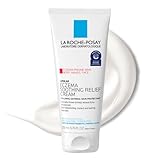
Overview: From Europe’s #1 body care brand in pharmacies, La Roche-Posay’s Lipikar cream offers steroid-free eczema relief for face, body, and hands. This clinically-tested formula targets itchy, irritated skin with dermatologist-backed precision, suitable for children three and up.
What Makes It Stand Out: The dual face-and-body compatibility sets it apart, as most eczema treatments are too harsh for facial use. Formulated with 1% colloidal oatmeal and nourishing shea butter, it restores the skin’s hydrolipidic film without greasiness. The La Roche-Posay name carries significant dermatological credibility.
Value for Money: Positioned in the premium tier, this cream commands a higher price but delivers versatility that eliminates need for separate face and body products. The pharmaceutical-grade formulation and clinical backing provide justification for the investment, particularly for facial eczema sufferers.
Strengths and Weaknesses: Strengths include its non-greasy texture, multi-area application, reputable brand heritage, and steroid-free efficacy. It’s gentle enough for children’s sensitive skin. Weaknesses include the higher cost and age restriction (not for under three years), plus limited availability compared to mass-market brands.
Bottom Line: La Roche-Posay Lipikar is the premium choice for those needing gentle yet effective eczema treatment across multiple areas, especially the face. Worth the investment for quality and versatility.
8. Gold Bond Ultimate Healing Hand Cream, 3 oz., Lasts Through Handwashing
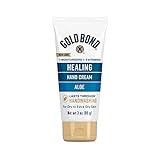
Overview: Gold Bond’s Ultimate Healing Hand Cream delivers intensive moisturization in a practical 3-ounce tube. Designed for daily hand care rather than severe eczema, it contains seven moisturizers plus vitamins A, C, and E to repair dry, problem hands through regular washing.
What Makes It Stand Out: The “lasts through handwashing” claim is backed by a unique formula that creates a durable protective barrier. This drugstore staple offers dermatologist-tested, hypoallergenic care without fragrance, making it suitable for sensitive skin in professional settings where frequent handwashing occurs.
Value for Money: Exceptional value defines this product—an affordable price for a generously-sized tube from a trusted mass-market brand. It outperforms many prestige hand creams at a fraction of the cost, making it accessible for routine, high-frequency use.
Strengths and Weaknesses: Strengths include its affordability, durability through washing, quick absorption, and non-greasy finish. The fragrance-free formula works well for sensitive skin. Weaknesses include its lack of colloidal oatmeal for targeted eczema treatment and it’s less potent for severe flare-ups compared to medicated alternatives.
Bottom Line: For everyday hand maintenance and moderate dryness, this Gold Bond cream offers unbeatable value and performance. Choose it for prevention and maintenance rather than active eczema treatment.
9. The Honest Company Eczema Soothing Therapy Cream and Skin Protectant, Naturally Derived, Gentle for Baby, Prebiotics Colloidal Oatmeal, 7 oz

Overview: The Honest Company’s Eczema Therapy Cream brings a prebiotic-infused approach to eczema care in a generous 7-ounce format. Designed for babies but effective for all ages, this naturally derived formula combines colloidal oatmeal with prebiotics to repair the skin barrier while providing itch relief.
What Makes It Stand Out: The innovative prebiotic inclusion nourishes beneficial skin bacteria, supporting long-term barrier health beyond temporary relief. Its baby-safe formulation, free from parabens, steroids, and mineral oils, carries National Eczema Association recognition while remaining gentle enough for newborns’ delicate skin.
Value for Money: With the largest size in this category at a mid-range price, this cream offers excellent value for families. The multi-purpose face-and-body formula eliminates need for separate products, and the 7-ounce quantity lasts significantly longer than standard tubes.
Strengths and Weaknesses: Strengths include the large size, innovative prebiotic formula, multi-age suitability, and clean ingredient philosophy. It’s dermatologist-approved and cruelty-free. Weaknesses include being potentially less potent for severe adult eczema and a slightly thicker texture that requires more rubbing time.
Bottom Line: Perfect for families seeking a gentle, innovative eczema solution that grows with your child. The prebiotic approach and generous size make it a smart, long-term investment for mild to moderate eczema.
10. Gold Bond Medicated Eczema Relief Skin Protectant Cream, 5.5 oz., with 2% Colloidal Oatmeal

Overview: Gold Bond’s Medicated Eczema Relief Cream offers targeted treatment for eczema symptoms with a potent 2% colloidal oatmeal concentration. This 5.5-ounce tube addresses itching, dryness, scaling, roughness, and redness through a medicated, dermatologist-tested formula accepted by the National Eczema Association.
What Makes It Stand Out: The 2% colloidal oatmeal content represents the highest concentration among mass-market options, delivering maximum OTC relief. Combined with seven moisturizers and three vitamins, it provides comprehensive symptom management in a single application, distinguishing it from general moisturizers.
Value for Money: Outstanding value for a medicated eczema treatment—large size, high active ingredient concentration, and affordable pricing create a cost-effective solution for chronic sufferers. It competes with prescription-strength options at a fraction of the cost.
Strengths and Weaknesses: Strengths include the high oatmeal percentage, extensive moisturization, symptom-specific formulation, and excellent price-to-size ratio. It’s hypoallergenic and widely accessible. Weaknesses include a thicker, more medicinal texture that may feel heavy for daily non-flare use, and the “medicated” label may concern those seeking purely natural options.
Bottom Line: For moderate to severe eczema requiring potent, affordable relief, this Gold Bond medicated cream delivers maximum value and effectiveness. Keep it on hand for active flare-ups and stubborn symptoms.
Understanding Eczema-Prone Hands: Why Specialized Care Matters
Hand eczema isn’t just dry skin—it’s a complex inflammatory condition that compromises your skin barrier’s ability to protect itself. The skin on your palms and fingers is structurally different from other body areas, with a thicker stratum corneum and fewer sebaceous glands, making it uniquely vulnerable to moisture loss and external irritants. When eczema enters the picture, this already-challenged barrier becomes permeable, allowing allergens and microbes to penetrate while water escapes at an accelerated rate.
Standard hand creams often fail because they’re formulated for occasional dryness, not chronic barrier dysfunction. They might provide temporary relief but lack the specific ingredients, concentrations, and delivery systems needed to address the underlying inflammation and repair process. Dermatologist-approved formulations for 2026 recognise that hand eczema requires a multi-pronged approach: immediate symptom relief, barrier restoration, anti-inflammatory action, and long-term protection against triggers you’re exposed to dozens of times daily.
What “Dermatologist-Approved” Actually Means in 2026
The term “dermatologist-approved” has evolved from a vague marketing claim to a more rigorous standard. In 2026, it typically indicates a product has undergone specific testing protocols, including patch testing on sensitive skin populations, clinical trials measuring transepidermal water loss (TEWL) reduction, and evaluation of its irritancy potential. Many formulations now carry certification from dermatological associations or have been included in clinical guidelines for atopic dermatitis management.
Crucially, dermatologist approval now considers the product’s performance in real-world conditions—how it holds up after repeated handwashing, its compatibility with sanitisers, and whether it maintains efficacy throughout a typical workday. This shift recognises that a hand cream’s value lies not just in its ingredient list, but in its practical utility for people whose hands are their livelihood.
The Non-Negotiable Ingredients for Eczema Relief
When scanning ingredient lists, certain components should appear prominently if a cream is genuinely designed for eczema-prone hands. These aren’t trendy additions—they’re clinically validated actives with specific mechanisms of action for barrier repair and inflammation reduction.
Ceramides: Your Barrier’s Building Blocks
Ceramides are lipids that naturally occur in healthy skin, comprising about 50% of your skin barrier. In eczema, ceramide levels plummet, creating gaps between skin cells that allow moisture to escape and irritants to enter. Look for creams containing ceramides 1, 3, and 6-II in concentrations between 1-3%. The magic happens when these are combined with cholesterol and free fatty acids in a specific ratio that mimics your skin’s natural composition—this is known as the “ceramide complex” and represents the gold standard for barrier restoration.
Colloidal Oatmeal: Calming Inflammation Naturally
Colloidal oatmeal isn’t just ground-up breakfast cereal. It’s a finely milled oat powder that contains avenanthramides—powerful anti-inflammatory compounds that inhibit cytokine production in eczema lesions. At concentrations of 1-5%, it provides both immediate itch relief and longer-term barrier support. The 2026 formulations have improved extraction methods that preserve these delicate compounds better than ever, making it a cornerstone ingredient for dermatologist-recommended hand creams.
Hyaluronic Acid: Hydration Without the Burn
While hyaluronic acid is celebrated across skincare, its role in eczema hand creams is specifically about low molecular weight formulations that penetrate deeply without triggering stinging. At 0.1-0.5% concentration, it acts as a humectant, drawing water into the skin’s deeper layers. The key is its combination with occlusive ingredients that prevent that moisture from evaporating, which would otherwise worsen dryness.
Niacinamide: The Multi-Tasking Skin Soother
Vitamin B3, or niacinamide, at 2-5% concentration, addresses multiple eczema pathways simultaneously. It strengthens the barrier by increasing ceramide synthesis, reduces inflammation by modulating the immune response, and minimises the redness that often accompanies hand eczema. It’s particularly valuable because it’s well-tolerated even on severely compromised skin, making it a safe bet for daily use.
Occlusive Agents: Sealing in Moisture
Occlusives create a physical barrier that locks in hydration and protects against external aggressors. Petrolatum remains the most effective, with a single application reducing TEWL by up to 98%. However, modern eczema formulations often blend petrolatum with dimethicone or beeswax derivatives to improve texture while maintaining protective function. The ideal concentration ranges from 15-30% for intensive repair, with lighter versions containing 5-10% for daytime use.
The Ingredient Red Flag List
Just as important as what to include is what to avoid. Many hand creams marketed as “gentle” contain ingredients that can trigger or worsen eczema flares. Dermatologists in 2026 are increasingly vocal about these problematic components.
Fragrances and Essential Oils: Hidden Enemies
Fragrance is the most common cause of contact dermatitis, yet it appears in over 70% of hand creams. Even “natural” essential oils like lavender, tea tree, and citrus contain potent allergens. Dermatologist-approved eczema creams are explicitly fragrance-free, not just “unscented” (which can mean fragrance chemicals are used to mask other smells). Look for statements like “free from fragrance allergens” or “no perfume” rather than vague “hypoallergenic” claims.
Harsh Preservatives and Alcohols
While preservatives are necessary for product safety, some are notorious eczema triggers. Formaldehyde releasers (like DMDM hydantoin) and methylisothiazolinone have no place in eczema formulations. Alcohol denat and SD alcohol can strip lipids from already-compromised barriers, though fatty alcohols like cetyl and stearyl alcohol are actually beneficial emollients. The distinction matters—always check the full ingredient name.
Exfoliating Acids: Too Harsh for Compromised Skin
Lactic acid, glycolic acid, and salicylic acid have no business in hand creams for eczema-prone skin, even in low concentrations. While they might seem helpful for removing rough skin, they disrupt the delicate pH balance and further damage barrier function. If you need to address scaling, dermatologists recommend mechanical exfoliation only during remission phases, using gentle methods—not chemical exfoliants in daily moisturisers.
Formulation Science: Beyond the Ingredient List
A cream’s efficacy depends as much on how ingredients are combined and delivered as on the ingredients themselves. This is where 2026 formulations have made significant strides.
pH Balance: The Acidity Factor
Healthy skin maintains a slightly acidic pH of 4.5-5.5, which supports barrier function and microbial defence. Eczema skin often becomes more alkaline, worsening inflammation. Dermatologist-approved hand creams are formulated to match this optimal pH range, often including buffering agents like lactic acid derivatives (not exfoliating concentrations) to maintain stability. This attention to pH is a hallmark of medical-grade formulations.
Emulsion Technology: How Creams Deliver Actives
Modern eczema creams utilise advanced emulsion systems like liquid crystal technology, which mimics the structure of healthy skin lipids. This allows for better integration of ceramides into your natural barrier rather than just sitting on top. Some 2026 formulations employ encapsulation technology, protecting sensitive actives from degradation and releasing them gradually throughout the day—particularly valuable for hands that face repeated washing.
Texture Profiles: Matching Cream to Lifestyle
The best hand cream in the world is useless if you won’t use it consistently. Texture preferences are personal, but they also have functional implications for different eczema severities and lifestyles.
Lightweight Daily Options
For daytime use, especially for healthcare workers, food handlers, or anyone needing frequent handwashing, a lighter formulation that absorbs within 30-60 seconds is essential. These typically contain lower occlusive content (5-10%) and higher water content, providing hydration without greasy residue. The key is that they still contain therapeutic levels of barrier lipids and anti-inflammatory agents, just in a more elegant base.
Intensive Overnight Treatments
Nighttime is when skin naturally repairs itself, making it the ideal window for intensive therapy. Richer formulations with 20-30% occlusives can be applied thickly and covered with cotton gloves, creating an occlusion chamber that dramatically enhances penetration. These treatments often contain higher concentrations of reparative ingredients and can make a measurable difference in TEWL within a single week of consistent use.
Packaging That Protects Potency
You might not think about packaging, but dermatologists do. Airless pumps and tubes are vastly preferable to jars, which expose the product to air and bacteria with each use—requiring stronger preservatives that can irritate eczema. Metallised tubes that block UV light preserve sensitive ingredients like niacinamide and certain ceramides. Some 2026 innovations include dual-chamber packaging that keeps ingredients separate until application, maximising stability without relying on harsh preservative systems.
Application Timing: The Critical Windows
When you apply hand cream matters as much as what you apply. The golden rule is within three minutes of washing hands, while skin is still slightly damp. This “three-minute rule” locks in residual moisture and replaces lipids stripped by soap. For occupational exposure, applying a protective layer before potential irritant contact (like washing dishes or gardening) creates a sacrificial barrier. Nighttime application should be the final step before sleep, allowing uninterrupted repair.
The Patch Test Protocol
Even dermatologist-approved products can trigger reactions in ultra-sensitive individuals. Before committing to a new hand cream, apply a small amount to your inner forearm twice daily for seven days. If no reaction occurs, graduate to a small area on the back of one hand for another week. Only then should you use it freely. This methodical approach prevents widespread reactions and helps identify specific ingredient sensitivities. Keep in mind that hand skin is often more reactive than arm skin, so the second phase is crucial.
Budget vs. Premium: Where to Spend
Price doesn’t always correlate with efficacy, but there are legitimate reasons some eczema hand creams cost more. Premium formulations often use higher-purity ingredients, more sophisticated delivery systems, and undergo extensive clinical testing. However, several mid-range options meet all dermatological criteria without luxury markups. Focus on ingredient quality and clinical validation rather than brand prestige. A £15 cream with the right ceramide complex outperforms a £50 cream with fancy packaging but sub-therapeutic active levels.
Prescription-Strength Considerations
For moderate to severe hand eczema, over-the-counter creams may need supplementation with prescription options. Topical corticosteroids remain the gold standard for acute flares, but steroid-sparing options like tacrolimus and crisaborole are increasingly prescribed for maintenance. Some 2026 dermatologist-approved hand creams are specifically formulated to be used alongside these prescriptions, with ingredients that support steroid efficacy while mitigating potential side effects like skin thinning.
Seasonal Strategy: Adapting Your Routine
Hand eczema isn’t static—it fluctuates with environmental changes. Winter demands richer formulations with higher occlusive content to combat low humidity and cold winds. Summer may require lighter textures and ingredients that address sweat-induced irritation. Transitional seasons often benefit from barrier-boosting ingredients that prepare skin for upcoming stressors. Having two formulations—a lighter daytime option and richer nighttime treatment—allows you to adjust ratios based on seasonal needs without changing your core routine.
Hand Hygiene Without the Havoc
The pandemic taught us aggressive hand hygiene, but for eczema sufferers, this created a new crisis. Dermatologist-approved strategies include using lukewarm (not hot) water, choosing syndet bars or cream cleansers over traditional soap, and patting dry rather than rubbing. Alcohol sanitisers are less irritating than repeated washing when hands aren’t visibly soiled—look for formulations with added glycerin and avoid those with fragrances or dyes. Always reapply cream immediately after either method.
Complementary Care: Building Your Arsenal
A hand cream is just one tool in your eczema management kit. Cotton glove liners worn under work gloves prevent friction and absorb sweat. Humidifiers in dry environments maintain ambient moisture. Gentle, fragrance-free hand soaps that complement (rather than counteract) your cream’s effects are essential. Some dermatologists recommend oral omega-3 supplements to support skin barrier function from within. Think holistically—your hand cream works best when supported by an eczema-friendly environment.
Warning Signs: When Professional Help Is Essential
While a good hand cream can manage mild eczema, certain symptoms demand dermatologist intervention. If you notice weeping lesions, signs of infection (increasing redness, warmth, pus), painful fissures that bleed, or no improvement after four weeks of proper over-the-counter care, schedule an appointment. Sudden onset of severe eczema in adulthood may indicate allergic contact dermatitis requiring patch testing to identify specific triggers. Don’t let embarrassment about “just dry hands” prevent you from accessing treatments that could dramatically improve your quality of life.
Frequently Asked Questions
How often should I apply hand cream for eczema?
Apply at least twice daily—once in the morning and once at night—but ideally after every handwash. For severe eczema, aim for 5-10 applications daily during flares, reducing to 3-4 times during maintenance phases. Keep a tube at every sink, in your bag, and by your bed to make reapplication habitual.
Can I use regular body lotion on my hands?
While better than nothing, body lotions are typically too lightweight for hands and may lack the specific barrier-repair ingredients hand eczema requires. Hand skin is thicker and experiences more trauma than body skin, necessitating more robust formulations. If you must use body lotion, choose one specifically formulated for very dry, eczema-prone skin and apply it more frequently than you would on your body.
What’s the difference between eczema and just dry hands?
Dry hands feel tight and may look slightly rough but improve quickly with moisturiser. Eczema involves inflammation, causing intense itch, redness, visible cracks or scaling, and often doesn’t resolve with basic moisturising alone. If you experience persistent symptoms despite regular cream use, or if your skin weeps, bleeds, or becomes painful, you’re likely dealing with eczema that needs targeted treatment.
Are natural or organic hand creams better for eczema?
“Natural” doesn’t equal eczema-safe—in fact, many natural ingredients like essential oils, plant extracts, and botanical fragrances are potent allergens. What matters is the specific ingredients and their clinical validation for eczema, not their origin. Some synthetic ingredients like ceramides and niacinamide are actually more effective and better tolerated than many natural alternatives.
How long until I see results from an eczema hand cream?
You should notice reduced itching and improved comfort within 3-5 days of consistent use. Visible improvement in redness and scaling typically takes 2-4 weeks. Significant barrier repair, measured by reduced frequency of flares, may take 6-12 weeks. If you see no improvement after four weeks of correct use, the formulation may not be suitable for your specific eczema type.
Can hand cream make eczema worse?
Absolutely. Creams containing fragrances, preservatives, or other irritants can trigger contact dermatitis, worsening your eczema. Over-moisturising with occlusive-heavy creams can cause maceration (soft, overly hydrated skin that’s more prone to damage), especially in skin folds. Using a cream that’s too lightweight for severe eczema may provide false reassurance while the barrier continues to deteriorate.
Should I apply cream before or after washing hands?
Both. Apply a protective layer before activities involving irritants (like washing dishes) to create a sacrificial barrier. After washing, apply within three minutes to damp skin to lock in moisture and replace stripped lipids. The post-wash application is non-negotiable; the pre-activity application depends on your specific triggers.
Is it safe to use hand sanitiser with eczema?
Alcohol-based sanitisers are generally less irritating than repeated washing with soap and water, provided you choose fragrance-free formulations with added moisturisers. Look for sanitisers containing glycerin, hyaluronic acid, or ceramides. Apply hand cream immediately after the sanitiser dries. During severe flares, temporarily switch to soap-free cleansing with cream cleansers instead.
Can children use the same eczema hand creams as adults?
Children’s skin is thinner and more permeable, requiring formulations specifically tested for paediatric use. While many adult eczema creams are gentle enough, always check for age recommendations. Children’s hand eczema often benefits from simpler formulations with fewer ingredients to minimise allergen exposure. Always patch test more extensively for children and consult a paediatric dermatologist for persistent cases.
Are expensive hand creams worth it for eczema?
Price should be evaluated based on cost per use and clinical efficacy, not upfront cost. A £30 cream that requires twice-daily application and significantly reduces flares is more cost-effective than a £10 cream you need to apply hourly with minimal results. Focus on formulations with therapeutic ingredient concentrations and clinical backing. Some budget brands meet all dermatological criteria, while some luxury brands prioritise texture and scent over efficacy—research the specific formulation, not the price tag.
See Also
- 10 Expert-Approved Luxury Hand Creams for Diabetic Skin Care in 2026
- 10 Essential Anti-Aging Hand Creams for 40-Something Skin in 2026
- 10 Game-Changing Anti-Aging Hand Creams That Dermatologists Swear By in 2026
- 10 Expert-Approved Luxury Hand Lotions for Aging Skin with Crepe-Correct in 2026
- How to Choose the 10 Best Hand Creams with SPF for Your Skin Tone in 2026