Table of Contents
That stubborn dark spot staring back at you in the mirror? It’s not just you. Hyperpigmentation affects millions of people, and while it’s completely normal, it’s also one of the most frustrating skin concerns to treat. You’ve probably heard the buzz about vitamin C serums being a game-changer for uneven skin tone, but navigating the sea of amber bottles and scientific jargon can feel overwhelming. Here’s the truth: not all vitamin C serums are created equal, and finding the right formulation for your specific type of hyperpigmentation could mean the difference between seeing real results and watching your money oxidize—literally.
This comprehensive guide cuts through the marketing noise and dives deep into what actually matters when selecting a vitamin C serum for hyperpigmentation. We’ll explore the science-backed features that separate effective formulations from glorified water, decode the ingredient lists that make chemists swoon, and arm you with the knowledge to make an investment that delivers visible, lasting results for your skin.
Top 10 Vitamin Serums Hyperpigmentation
Detailed Product Reviews
1. EQQUALBERRY Vitamin Illuminating Serum – Brightening Vitamin C Serum with Niacinamide | Strengthens skin barrier | Hydrates using Ceramide and Hyaluronic Acid, 1.01oz / 30ml

Overview: The EQQUALBERRY Vitamin Illuminating Serum positions itself as a comprehensive Korean-style treatment that combines brightening, barrier repair, and hydration in one bottle. Featuring VITAQUEEN Acerola 40% as its vitamin C source, this serum delivers a multi-pronged approach to achieving “glass skin” radiance while addressing hyperpigmentation and signs of aging.
What Makes It Stand Out: This serum distinguishes itself through its ambitious multi-active formulation. The combination of 4% niacinamide with 2% arbutin and tranexamic acid creates a powerful brightening complex that targets discoloration through multiple pathways. The inclusion of five ceramides and eight forms of hyaluronic acid demonstrates a serious commitment to barrier restoration and hydration—features often neglected in vitamin C serums. Its EWG Green Grade certification and exclusion of silicones and parabens appeal to clean beauty enthusiasts seeking effective yet gentle formulations.
Value for Money: Positioned in the mid-to-premium tier, this serum justifies its cost by essentially replacing three separate products: a vitamin C treatment, a barrier repair serum, and a hydrating essence. Compared to purchasing individual specialized treatments, it offers significant savings while maintaining clinical-level active concentrations. Korean skincare competitors with similar comprehensive formulas typically cost 20-30% more.
Strengths and Weaknesses: Strengths include the sophisticated multi-pathway brightening approach, robust barrier support system, and clean ingredient profile. The lightweight, non-sticky texture layers well under sunscreen and makeup. Weaknesses involve potential ingredient conflicts—such a complex formula increases the risk of reactions for extremely sensitive skin. The high active load may also require a gradual introduction period, and those seeking a simple routine might find it overwhelming.
Bottom Line: Ideal for skincare enthusiasts wanting maximum results with minimal steps, this serum excels for normal to dry skin types dealing with dullness and uneven texture. Patch testing is recommended for sensitive skin.
2. TruSkin Vitamin C Serum for Face – Anti Aging Face Serum with Hyaluronic Acid & Vitamin E – Brightening Formula for Improving Appearance of Dark Spots, Fine Lines & Wrinkles – All Skin Types, 1 fl oz
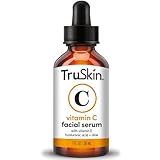
Overview: TruSkin delivers a stabilized vitamin C serum designed for daily brightening and anti-aging benefits. Formulated with Sodium Ascorbyl Phosphate, this serum prioritizes gentleness and stability over maximum potency, making it accessible for vitamin C newcomers and those with reactive skin who typically avoid L-ascorbic acid formulations.
What Makes It Stand Out: The serum’s commitment to stability sets it apart—Sodium Ascorbyl Phosphate maintains efficacy longer than traditional vitamin C while minimizing irritation risks. Its dermatologist and clinically tested status provides credibility rarely seen in this price bracket. The addition of jojoba oil and aloe vera creates a nourishing base that supports the skin barrier rather than compromising it, addressing a common complaint about vitamin C treatments.
Value for Money: This serum occupies the sweet spot between drugstore and premium pricing, offering clinical validation without the dermatologist office markup. The 1-ounce bottle typically lasts three months with daily use, translating to less than $0.50 per application. Compared to similar stabilized vitamin C serums from prestige brands, you’re saving 40-60% while gaining third-party testing verification.
Strengths and Weaknesses: Strengths include superior stability, gentle formulation suitable for all skin types, and transparent ingredient sourcing. The unscented, additive-free formula works exceptionally well for sensitive skin and under makeup. Weaknesses center on the lower potency of SAP compared to L-ascorbic acid—results appear more gradually over 8-12 weeks rather than 4-6. The texture can feel slightly tacky during humid weather, and those seeking dramatic transformation may need stronger actives.
Bottom Line: Perfect for vitamin C beginners, sensitive skin types, and anyone prioritizing stability over speed. This serum delivers reliable, irritation-free brightening that builds gradually with consistent use.
3. Eclat Skincare Vitamin C Serum - Skin Care for Dark Spots, Vitamin C Serum for Face with Hyaluronic Acid, Ferulic Acid, & Vit E - Anti Aging and Skin Brightening Vit C Formula for Face Care 1 Fl Oz

Overview: Eclat Skincare enters the vitamin C arena with a stable 3-O Ethyl Ascorbic Acid formulation designed to deliver brightening benefits without the stability issues that plague traditional serums. This serum targets dark spots and fine lines while emphasizing clean, vegan-friendly credentials that resonate with ethically-minded consumers.
What Makes It Stand Out: The brand’s focus on 3-O Ethyl Ascorbic Acid represents a middle ground between potency and stability—more effective than SAP but gentler than L-ascorbic acid. The addition of ferulic acid, typically reserved for premium formulations, enhances antioxidant protection and photoprotection. Its vegan, cruelty-free positioning combined with natural ingredient emphasis distinguishes it in a market saturated with synthetic additives and ambiguous sourcing.
Value for Money: Eclat positions itself competitively in the clean beauty segment, priced similarly to conventional mid-tier serums while offering ethical certifications that usually command a premium. The formula essentially duplicates the active matrix of serums costing twice as much, making it an intelligent choice for budget-conscious clean beauty devotees. However, the brand lacks the clinical testing pedigree of established competitors.
Strengths and Weaknesses: Strengths include the stable vitamin C derivative, inclusion of ferulic acid for enhanced efficacy, lightweight fast-absorbing texture, and strong ethical credentials. The formula layers seamlessly with other actives and works well under SPF. Weaknesses involve limited brand recognition and absence of published clinical data. The 1-ounce size runs out quickly with twice-daily use, and those with stubborn hyperpigmentation might require higher concentrations or additional brightening agents for optimal results.
Bottom Line: An excellent choice for clean beauty enthusiasts seeking a stable, effective vitamin C serum without premium pricing. Best suited for normal to combination skin types focused on prevention rather than correction.
4. The Ordinary Ascorbyl Glucoside Solution 12%, Vitamin C Serum for Even Skin Tone and Antioxidant Protection, 1 Fl Oz

Overview: The Ordinary’s Ascorbyl Glucoside Solution 12% represents the brand’s signature approach: a single-star ingredient delivered at an effective concentration without unnecessary frills. This water-based serum offers a gentle entry into vitamin C skincare, targeting uneven tone and environmental damage through a stable, slow-release derivative that converts to active vitamin C within the skin.
What Makes It Stand Out: The 12% concentration of ascorbyl glucoside hits the sweet spot for efficacy without irritation, making it suitable for daily use by virtually all skin types. The minimalist three-ingredient formula eliminates common allergens and irritants, while the water-light texture absorbs instantly without pilling—a frequent issue with more complex serums. The brand’s radical transparency about ingredient function and concentration empowers consumers to make informed decisions.
Value for Money: This serum sets the benchmark for affordability in effective vitamin C skincare. At a fraction of the cost of prestige alternatives, it delivers the same active ingredient found in formulations costing 5-10 times more. The 30ml bottle lasts approximately three months with twice-daily use, representing exceptional per-dose value. The only trade-off is the lack of supporting ingredients like vitamin E or ferulic acid that amplify results.
Strengths and Weaknesses: Strengths include unbeatable price, universal compatibility, proven stability, and the ability to layer with any other products without interaction concerns. The gentle nature makes it ideal for retinoid users needing morning antioxidant protection. Weaknesses are the slower, more subtle results compared to L-ascorbic acid, the need for consistent long-term use to see significant improvement, and the absence of synergistic antioxidants that boost photoprotection. The watery texture may feel underwhelming to those expecting a luxurious serum experience.
Bottom Line: The definitive budget choice for vitamin C beginners, sensitive skin types, and minimalists. While not the most potent option available, it delivers reliable, irritation-free antioxidant protection that justifies its cult following.
5. The INKEY List 15% Vitamin C and EGF Serum 1 Fl Oz, Reduces Hyperpigmentation, Rejuvenating Skin Care, Vegan Friendly, Suitable For All Skin Types

Overview: The INKEY List combines two advanced actives—15% ascorbyl glucoside and epidermal growth factor (EGF)—in a fragrance-free serum targeting hyperpigmentation and skin regeneration. This formulation bridges the gap between gentle vitamin C derivatives and results-driven treatments, offering a sophisticated approach to brightening that emphasizes cellular renewal alongside antioxidant protection.
What Makes It Stand Out: The 15% concentration represents the highest effective dose of ascorbyl glucoside available in this price category, while the inclusion of plant-based EGF introduces a regenerative element rarely found in vitamin C serums. This dual-action approach addresses both existing discoloration and underlying skin health. The brand’s detailed usage instructions, including the critical 10-minute wait time before layering other products, demonstrate unusual respect for the ingredient’s mechanism—ensuring users maximize the EGF’s regenerative potential rather than neutralizing it.
Value for Money: This serum delivers premium-tier actives at drugstore pricing, making advanced skincare accessible. The EGF addition typically commands luxury prices exceeding $100, yet this formulation costs a fraction of that. For those specifically targeting hyperpigmentation, it eliminates the need for separate growth factor and vitamin C treatments, effectively halving your skincare investment.
Strengths and Weaknesses: Strengths include the potent yet stable vitamin C concentration, innovative EGF pairing, fragrance-free formula, and clear usage guidelines that optimize results. The serum absorbs quickly without residue. Weaknesses involve the mandatory wait time, which complicates morning routines, and EGF’s sensitivity to incompatible actives like retinoids and acids, requiring careful schedule management. The lack of supporting antioxidants like vitamin E means you’re getting isolated rather than synergistic protection.
Bottom Line: Best for hyperpigmentation-focused routines where regeneration is a priority. Ideal for PM use or dedicated AM routines with built-in wait times. Not for minimalists, but exceptional for committed users seeking clinical-level actives without clinical pricing.
6. Premium 20% Vitamin C Serum For Face with Hyaluronic Acid, Retinol & Amino Acids - Boost Skin Collagen,Hydrate & Plump Skin, Anti Aging & Wrinkle Facial Serum 60ml

Overview: This serum takes a kitchen-sink approach to anti-aging, combining four heavy-hitting actives—20% Vitamin C, Hyaluronic Acid, Retinol, and Amino Acids—in one plant-based formula. The 60ml bottle offers nearly double the standard serum volume, targeting dullness, dehydration, fine lines, and collagen loss simultaneously. It’s designed for the efficiency-focused user who wants comprehensive treatment without layering multiple products.
What Makes It Stand Out: The bold combination of retinol and high-strength Vitamin C in a stable, plant-based base is genuinely unusual, as these actives typically conflict. The botanical formulation—featuring aloe vera, witch hazel, and jojoba oil—distinguishes it from synthetic competitors while maintaining clinical-level percentages. The generous sizing and promise of no oily residue cater to users tired of small, sticky serums.
Value for Money: This represents excellent value when compared to purchasing separate Vitamin C and retinol treatments. The 60ml volume provides 3-4 months of use, amortizing the mid-range price tag effectively. It undercuts luxury multi-active serums by 30-40% while delivering comparable ingredient concentrations, making it a smart choice for budget-conscious but ingredient-savvy consumers.
Strengths and Weaknesses: Strengths include the comprehensive anti-aging profile, clean ingredient list, quick absorption, and exceptional volume. The 20% Vitamin C concentration delivers robust antioxidant protection. However, the retinol inclusion may trigger irritation for sensitive skin, and the plant-based approach could sacrifice some stability. Beginners should patch test extensively and introduce gradually. The multi-active formula leaves little room for customization.
Bottom Line: This serum suits experienced skincare enthusiasts seeking to streamline their routine with a potent, all-in-one solution. While not for the faint-hearted or highly sensitive, it delivers remarkable value and comprehensive benefits for those who can tolerate the active combination. Approach with patience and always pair with SPF.
7. Good Molecules Discoloration Correcting Serum - Tranexamic Acid and Niacinamide Serum to Target Dark Spots and Hyperpigmentation - Skin Care for Face

Overview: Good Molecules has crafted a hyperpigmentation specialist combining 3% tranexamic acid and 4% niacinamide in a gentle, pH-balanced serum. This fragrance-free treatment specifically targets dark spots, acne scars, and uneven tone without relying on harsh ingredients. The transparent branding includes a Period After Opening indicator, emphasizing safety and efficacy for daily use on all skin types.
What Makes It Stand Out: The strategic pairing of tranexamic acid and niacinamide addresses multiple discoloration pathways simultaneously—breaking down existing pigment while preventing new formation. The 5.5 pH respects skin barrier integrity, a rarity in active serums. The brand’s commitment to clean formulation (free from PEGs, mineral oils, and alcohol) and explicit usage guidance demonstrates unusual consumer advocacy in the budget category.
Value for Money: Positioned in the affordable bracket, this serum costs significantly less than prescription alternatives or luxury brightening treatments. A single bottle lasts 2-3 months with twice-daily application, delivering specialized treatment at a per-use cost below most drugstore options. It eliminates the need for multiple single-ingredient purchases.
Strengths and Weaknesses: Strengths include the gentle yet effective dual-action formula, vegan credentials, and suitability for all skin types, including sensitive. It layers seamlessly under other products. However, results demand 8-12 weeks of consistent use, requiring patience. The lightweight texture may not hydrate sufficiently for very dry skin, and those seeking comprehensive anti-aging benefits beyond brightening will need additional products.
Bottom Line: This is an exceptional hyperpigmentation treatment that outperforms its price point. Ideal for anyone battling dark spots or post-acne marks, its gentle formulation makes it accessible where stronger treatments might cause inflammation. While not a universal solution, it excels singularly at creating a more even, confident complexion.
8. SeoulCeuticals Korean Skin Care 20% Vitamin C Hyaluronic Acid Serum + CE Ferulic Acid - Potent Anti Aging, Anti Wrinkle Korean Beauty 1oz

Overview: SeoulCeuticals delivers a Korean beauty take on the coveted CE Ferulic serum, offering 20% Vitamin C paired with Hyaluronic Acid and Ferulic Acid. This 1oz treatment promises visible results within three weeks, targeting wrinkles, sunspots, and acne simultaneously. It positions itself as a direct dupe for luxury formulations costing four times as much, making high-potency antioxidants accessible to a broader audience.
What Makes It Stand Out: The brand’s explicit 3-week results guarantee shows remarkable confidence. Beyond standard anti-aging, this serum uniquely addresses acne, pore size, and scar minimization—concerns often ignored in Vitamin C products. The Ferulic Acid addition enhances photoprotection and stability, mirroring dermatologist-favorite formulations while maintaining Korean beauty’s innovative edge.
Value for Money: This serum offers one of the best price-to-potency ratios available, typically costing 70-80% less than premium CE Ferulic serums. The 1oz size is industry standard, but the concentration and ingredient quality rival products quadruple the price. For consumers seeking maximum efficacy without luxury markup, it’s a compelling, budget-friendly powerhouse.
Strengths and Weaknesses: Strengths include the potent 20% Vitamin C concentration, clinically-inspired formulation, rapid absorption, and dual anti-aging and acne-fighting benefits. However, the high concentration may overwhelm sensitive skin, causing redness or stinging. The one-month shelf life after opening demands disciplined usage, and some users note a slightly tacky finish requiring follow-up moisturizer.
Bottom Line: This is a standout dupe for experienced Vitamin C users seeking maximum potency at a fraction of luxury pricing. While not for beginners or extremely reactive skin, it delivers impressive, rapid results for tolerant skin types. The anti-acne benefits make it particularly valuable for mature, blemish-prone complexions seeking a single, powerful solution.
9. Medicube Deep Vita C Serum 2.0 || 14.5% Pure Vitamin C reduce the appearance of hyperpigmentation, dark spots, and blemishes | 16 self-tests complete | Korean skincare (10g * 3 bottles)

Overview: Medicube’s clinical approach yields a water-based serum with 14.5% pure Vitamin C and soothing Alpha-bisabolol, packaged as three 10g bottles to ensure freshness. This Korean dermatologist-developed treatment targets hyperpigmentation while prioritizing skin barrier health. The brand claims impressive, measurable results after just one week, backed by self-testing protocols that lend credibility to its performance promises.
What Makes It Stand Out: The three-bottle system is brilliant—Vitamin C oxidizes with air exposure, and these smaller volumes guarantee potency until the final application. The inclusion of Alpha-bisabolol, a chamomile-derived soothing agent, makes high-strength Vitamin C accessible to sensitive skin. The explicit clinical claims (9.1% freckle reduction, 10.3% elasticity improvement) demonstrate unusual transparency.
Value for Money: While the initial investment seems premium, the 30g total volume across three bottles aligns with mid-range serum pricing. The true value lies in eliminating waste—no more discarding half-oxidized yellow serum. For those who’ve lost money to degraded products, this packaging ensures every drop delivers full potency, justifying the cost through zero product loss.
Strengths and Weaknesses: The 14.5% concentration balances efficacy with reduced irritation risk, while Alpha-bisabolol provides exceptional calming benefits. Clinical testing claims add credibility. However, the watery texture feels less luxurious than oil-based serums, and the smaller bottles require more frequent repurchasing. Those seeking dramatic, rapid results might find the moderate concentration slower than 20% alternatives.
Bottom Line: Perfect for sensitive skin types who’ve struggled with Vitamin C irritation but demand proven results. The innovative packaging preserves potency impeccably, while the thoughtful formulation prioritizes skin health over aggressive treatment. It’s a smart, scientifically-minded choice for hyperpigmentation sufferers needing reliability without reactivity.
10. GOODAL Green Tangerine Vitamin C Serum, Korean Skin Care - 1.02 fl oz

Overview: GOODAL’s serum centers on a remarkable ingredient story: 70% green tangerine extract harvested during a four-week July window when Vitamin C content peaks tenfold above lemons. This Korean beauty treatment combines the tangerine water with 4% niacinamide and arbutin, creating a gentle brightening solution enhanced by Centella Asiatica. It’s designed for sensitive skin seeking natural hyperpigmentation improvement without typical Vitamin C irritation.
What Makes It Stand Out: The meticulous ingredient sourcing—organic tangerines fertilized with fermented soybeans and hand-picked at peak potency—demonstrates exceptional quality commitment. Unlike harsh ascorbic acid serums, this fruit water base delivers antioxidants naturally while Centella Asiatica soothes inflammation. The approach prioritizes skin barrier health alongside gradual brightening, a philosophy rare in aggressive Vitamin C markets.
Value for Money: Positioned in the premium Korean skincare tier, it costs more than drugstore alternatives but less than luxury brands. The 1.02oz size is standard, but the rare harvesting and organic cultivation justify the price for clean beauty devotees. For those valuing gentle, natural brightening over synthetic potency, the cost reflects thoughtful ingredient provenance.
Strengths and Weaknesses: Strengths include the uniquely gentle formulation perfect for reactive skin, innovative natural Vitamin C source, and anti-inflammatory barrier support. It effectively targets emerging and existing dark spots without irritation. However, the lower pure ascorbic acid concentration yields slower, more subtle results than clinical-strength serums. The premium pricing may alienate budget buyers, and those needing intensive anti-aging wrinkle reduction will require additional treatments.
Bottom Line: Ideal for sensitive skin types seeking a natural, gentle path to brightening and hyperpigmentation improvement. While not the most potent option available, its thoughtful formulation and exceptional ingredient quality justify the investment for those prioritizing skin barrier health alongside consistent, gradual radiance gains. Perfect for Vitamin C beginners or the easily inflamed.
Understanding Hyperpigmentation and Vitamin C’s Role
The Science Behind Skin Discoloration
Hyperpigmentation isn’t just one condition—it’s an umbrella term for any area where your skin produces excess melanin, creating spots or patches darker than your surrounding skin. Whether you’re dealing with post-inflammatory hyperpigmentation from acne, melasma triggered by hormones, or sun spots from years of UV exposure, the underlying mechanism is the same: overactive melanocytes (your pigment-producing cells) depositing melanin into surrounding skin cells.
What makes treating hyperpigmentation tricky is that these pigment deposits exist at different depths. Epidermal hyperpigmentation sits in the upper layers and responds relatively quickly to topical treatments, while dermal pigmentation lies deeper and requires more aggressive intervention. This is why that “miracle” serum your friend swears by might do nothing for you—your pigmentation types may be completely different.
How Vitamin C Interrupts Melanin Production
Vitamin C doesn’t just brighten—it actively intervenes in the melanin production pathway at multiple points. As a potent tyrosinase inhibitor, it blocks the enzyme responsible for converting tyrosine into melanin, essentially turning down the volume on pigment production. But its superpower lies in its antioxidant capacity: vitamin C neutralizes free radicals from UV exposure that trigger melanocytes to go into overdrive in the first place.
The real magic happens when vitamin C is used consistently. It doesn’t just fade existing spots; it prevents new ones from forming while supporting collagen synthesis, which improves overall skin texture and makes discoloration less noticeable. Think of it as both a treatment and a preventative measure—a dual-action approach that makes it uniquely effective for hyperpigmentation.
Types of Vitamin C: Navigating the Alphabet Soup
L-Ascorbic Acid: Potency and Prerequisites
L-Ascorbic Acid (LAA) is the purest, most researched form of vitamin C—the one dermatologists reference in clinical studies. Its small molecular size allows for excellent penetration, and at concentrations between 10-20%, it delivers measurable results for hyperpigmentation. However, LAA is notoriously unstable, oxidizing rapidly when exposed to light, air, and heat.
Effective LAA serums require a pH below 3.5 to remain stable and penetrate properly, which can be irritating for sensitive skin types. When shopping for LAA-based serums, look for formulations that include ferulic acid and vitamin E—this trio has been shown to stabilize the molecule while boosting photoprotection eightfold. The catch? That low pH means you might experience tingling or stinging, especially during the first few weeks.
Sodium Ascorbyl Phosphate: The Gentle Workhorse
If LAA is the high-maintenance sports car of vitamin C, Sodium Ascorbyl Phosphate (SAP) is the reliable daily driver. This water-soluble derivative converts to ascorbic acid once absorbed, offering a gentler approach with a pH closer to skin-neutral (5-7). While it works more slowly than LAA, SAP shines for acne-prone skin—studies show it has antimicrobial properties that can reduce breakouts while fading post-inflammatory marks.
SAP serums typically come in concentrations of 5-10% and are far more stable, meaning you won’t race against the clock to finish the bottle before it turns orange. For mild to moderate hyperpigmentation or those new to vitamin C, SAP provides an excellent entry point with minimal irritation risk.
Magnesium Ascorbyl Phosphate: Water-Soluble Wonder
MAP, as it’s known, is another stable, water-soluble derivative that converts to LAA in the skin. What distinguishes MAP is its hydrating properties and ability to work at a skin-friendly pH of 6-7, making it ideal for dry or reactive skin types dealing with hyperpigmentation. While it’s less potent than LAA for dramatic fading, MAP excels at overall brightening and improving skin radiance.
Look for MAP concentrations between 5-15%. It pairs beautifully with peptides and ceramides, making it a smart choice if your hyperpigmentation is accompanied by compromised barrier function. The trade-off? You’ll need patience—MAP typically shows visible results in 8-12 weeks rather than the 4-6 weeks possible with LAA.
Tetrahexyldecyl Ascorbate: The Oil-Soluble Penetrator
This mouthful of an ingredient (THD Ascorbate) represents the next generation of vitamin C technology. Being oil-soluble, it penetrates deeper into the lipid layers of skin where some pigment resides, potentially reaching dermal hyperpigmentation that water-based formulas can’t touch. THD is also incredibly stable and non-irritating, working effectively at concentrations as low as 0.5-2%.
The catch? It’s expensive to formulate properly, so serums featuring THD as the star ingredient often come with premium price tags. However, for stubborn melasma or those who’ve failed with other vitamin C types, the deeper penetration can be worth the investment. It also plays well with retinoids, offering a strategic combination for comprehensive hyperpigmentation treatment.
Concentration Decoded: Strength vs. Tolerance
The 10-20% Effectiveness Window
When it comes to L-Ascorbic Acid, more isn’t always better. Research shows that concentrations above 20% don’t increase efficacy but do dramatically increase irritation. The sweet spot for hyperpigmentation is 10-20%, where you get maximum melanin inhibition without overwhelming your skin’s tolerance. Below 10%, you’re entering maintenance territory—good for prevention but too weak for treating established spots.
For vitamin C derivatives, concentrations work differently. SAP and MAP are effective at 5-10% because they convert to LAA gradually. THD Ascorbate needs only 0.5-2% due to its superior penetration. Don’t be fooled by marketing touting “30% vitamin C”—if it’s not the right type or pH, that number is meaningless for results.
When to Choose Lower Concentrations
Starting with a 5-10% LAA or derivative formula is smart if you have sensitive skin, are pregnant (when melasma risk increases), or are combining with other actives like retinoids or AHAs. Lower concentrations build your skin’s tolerance while still delivering antioxidant benefits. You can always increase strength once your skin adjusts.
Lower concentrations also make sense for maintenance after you’ve achieved your fading goals. Think of it as switching from treatment mode to preservation mode—keeping those melanocytes quiet without over-treating your skin.
High-Potency Formulations: Are They Worth It?
Serums boasting 20%+ LAA target severe hyperpigmentation and photodamage, but they require careful consideration. Without proper formulation (low pH, stabilization system), high-concentration serums oxidize faster and can cause inflammation that actually worsens hyperpigmentation, especially in melanin-rich skin. The key is looking for supporting ingredients that buffer irritation—ferulic acid, vitamin E, anti-inflammatory botanicals like centella asiatica.
If you’re considering a high-potency serum, ensure your barrier is healthy first. Compromised skin plus high-concentration LAA is a recipe for redness, peeling, and potentially more dark spots. Patch test for a week before committing to full-face application.
The pH Factor: Why Chemistry Matters
Ideal pH Ranges for Different Vitamin C Types
pH determines both stability and skin compatibility. L-Ascorbic Acid requires a pH of 2.0-3.5 to penetrate skin effectively—any higher and it won’t absorb properly; any lower and you’re risking chemical burns. This acidic environment is why LAA serums often sting upon application.
Derivatives operate at more comfortable pH levels: SAP and MAP work best at 5.0-7.0, while THD Ascorbate is effective across a broad range. If you have acid mantle concerns or use pH-dependent actives like retinoids or benzoyl peroxide, derivative-based serums offer more flexibility in your routine without compromising results.
How pH Affects Stability and Absorption
The pH paradox: what makes LAA effective also makes it unstable. At its optimal penetration pH, LAA degrades rapidly when exposed to oxygen. This is why packaging becomes crucial—airless systems that maintain pH and prevent oxidation are worth the investment. Some advanced formulations use pH-sensitive release systems that keep the serum stable in the bottle but activate upon skin contact.
When evaluating serums, reputable brands often disclose pH levels. If they don’t, that’s a red flag. You can also test at home with pH strips, but be aware that opening the bottle to test accelerates oxidation. The best approach? Trust transparent brands that invest in proper formulation chemistry.
Packaging: The Silent Guardian of Potency
Airless Pump Technology Explained
That dropper bottle might look apothecary-chic, but every time you unscrew the cap, you’re flooding your precious vitamin C with oxygen. Airless pump systems use a vacuum mechanism that pushes product up without letting air in, extending stability from weeks to months. For LAA serums, this isn’t just nice-to-have—it’s essential for getting through a bottle before it oxidizes.
Look for opaque, airless pumps that dispense a measured amount. Some advanced systems even separate vitamin C powder from the liquid base, mixing them only when you’re ready to start using the product. While these systems cost more, they ensure you’re applying active vitamin C, not orange-tinted oxidized waste that can actually generate free radicals on your skin.
Why UV-Blocking Packaging is Non-Negotiable
Light, especially UV light, is vitamin C’s nemesis. Clear or translucent bottles are a dead giveaway that a brand doesn’t understand basic vitamin C chemistry. Amber, cobalt blue, or completely opaque packaging filters harmful wavelengths that trigger degradation. Some premium serums use Miron glass, a violet-blue glass that acts like natural SPF for your serum.
Don’t be swayed by beautiful packaging that prioritizes aesthetics over function. The best serum in the world is useless if it’s deactivated before it touches your skin. Store even well-packaged serums in dark, cool places—bathroom cabinets (away from steam) or even the refrigerator for maximum longevity.
Strategic Ingredient Pairings
The C+E+Ferulic Acid Synergistic Complex
This isn’t just marketing fluff—it’s one of the most studied antioxidant combinations in dermatology. Vitamin E (tocopherol) regenerates vitamin C after it neutralizes a free radical, essentially recycling it for another round of protection. Ferulic acid stabilizes both vitamins while doubling photoprotection and boosting collagen synthesis. Together, they create a network antioxidant system that’s far more powerful than any single ingredient alone.
For hyperpigmentation, this trio offers comprehensive protection: vitamin C inhibits melanin, vitamin E repairs barrier damage that can trigger inflammation, and ferulic acid prevents UV-induced melanocyte activation. When evaluating serums, this combination should be at the top of your wishlist, especially for daytime use.
Niacinamide: Debunking the Compatibility Myth
You’ve probably heard that niacinamide and vitamin C cancel each other out. This myth stems from outdated research using unstable forms of both ingredients at high temperatures. Modern formulations prove they not only coexist but complement each other beautifully. Niacinamide inhibits melanosome transfer (how pigment moves to skin cells), while vitamin C blocks tyrosinase—two different mechanisms targeting the same problem.
The key is formulation stability. Look for serums that contain both in a stable base, or apply vitamin C in the morning and niacinamide at night if you’re using separate products. Together, they address uneven tone, texture, and barrier function—a triple threat for hyperpigmentation recovery.
Hydrating Agents That Complement Vitamin C
Hyperpigmentation treatments often compromise barrier function, which ironically can worsen discoloration. Hyaluronic acid, glycerin, and panthenol (vitamin B5) provide essential hydration that supports healing and reduces irritation-induced hyperpigmentation. For dry skin types, squalane or ceramides add lipid-based moisture that prevents the flaking some vitamin C serums cause.
The best hyperpigmentation serums treat the whole picture: fading existing spots while creating an environment where new ones can’t form. Hydration is the foundation of that strategy.
Ingredients That Clash: Timing and Separation
Retinoids and Vitamin C: A Strategic Separation
Both retinoids and vitamin C are hyperpigmentation powerhouses, but using them simultaneously can spell disaster. Retinoids require a higher skin pH to work, while LAA needs low pH—applying them together means neither performs optimally. More importantly, the combination can overwhelm your barrier, causing inflammation that triggers more pigment production.
The solution? Use vitamin C in your morning routine for antioxidant protection, and retinoids at night for cell turnover. This separation maximizes each ingredient’s benefits while giving your skin time to recover. If you’re using a derivative-based vitamin C, you have more flexibility, but the AM/PM split still remains the gold standard.
Benzoyl Peroxide: The Oxidation Catalyst
Benzoyl peroxide is a potent acne treatment, but it’s also a strong oxidizing agent that can deactivate vitamin C on contact. Using them together not only wastes your serum but can create irritation compounds. If you’re treating both acne and hyperpigmentation, use benzoyl peroxide in the morning and vitamin C at night, or better yet, on alternate days.
For those struggling with post-inflammatory hyperpigmentation from acne, consider switching to SAP-based vitamin C, which actually helps with breakouts while fading marks, reducing your need for benzoyl peroxide altogether.
AHAs/BHAs: pH Disruption Concerns
Chemical exfoliants raise your skin’s pH, which can destabilize LAA if applied immediately after. The common advice to wait 20-30 minutes between actives has some merit, but it’s impractical. A smarter approach: use vitamin C in the morning, exfoliants at night, or alternate days. This prevents pH conflicts while still delivering both ingredients’ benefits.
If you must use them together, apply vitamin C first (lowest pH), wait for full absorption (about 5 minutes), then follow with your exfoliant. Derivative-based vitamin C offers more flexibility here, as they’re less pH-dependent.
Skin Type-Specific Formulation Strategies
Oily and Acne-Prone Skin Guidelines
For oily skin dealing with post-inflammatory hyperpigmentation, lightweight, water-based serums are non-negotiable. Avoid formulations heavy in oils or silicones that can clog pores and trigger new breakouts. SAP is your best friend here—it fights acne bacteria while fading marks, and its water-soluble nature layers beautifully under mattifying moisturizers.
Look for oil-free, non-comedogenic labels and additional ingredients like zinc PCA or salicylic acid that control sebum production. The goal is treating hyperpigmentation without adding fuel to the acne fire.
Dry and Sensitive Skin Strategies
Low-concentration LAA (5-10%) or derivative-based serums buffered with hyaluronic acid, ceramides, and anti-inflammatory botanicals prevent the dryness and irritation that can worsen hyperpigmentation. MAP and THD Ascorbate are particularly well-suited here, offering results without compromising an already fragile barrier.
Consider cream-based vitamin C formulations or layering your serum under a rich moisturizer to lock in hydration. The key is slow introduction—start with every other day application, gradually increasing frequency as your skin builds tolerance.
Melanin-Rich Skin Considerations
Darker skin tones are more prone to post-inflammatory hyperpigmentation and must approach vitamin C with extra caution. High-concentration LAA can trigger inflammation that paradoxically darkens skin. Start with 5-10% LAA or derivative formulas, and always pair with broad-spectrum SPF 30+—UV protection is even more critical for preventing rebound pigmentation.
Avoid combining multiple strong actives initially. A simple routine of gentle cleanser, vitamin C serum, moisturizer, and sunscreen for 8-12 weeks allows you to gauge your skin’s response before adding complexity. Patience is paramount; aggressive treatment often backfires on melanin-rich skin.
Mastering Application Technique
Morning vs Evening: Strategic Timing
Vitamin C’s antioxidant properties make it ideal for daytime use, neutralizing free radicals from UV exposure and pollution before they can trigger melanin production. Morning application also takes advantage of vitamin C’s ability to boost sunscreen effectiveness—think of it as your SPF’s backup singer.
Evening application isn’t wrong, especially if you’re using other actives in the morning. The key is consistency. Vitamin C works cumulatively, building up in skin over time. Choose the time you’re most likely to apply it daily without fail.
The 30-Second Rule: Layering Order
Apply vitamin C to clean, dry skin and wait 30 seconds to 1 minute before layering other products. This allows optimal penetration without pH interference from subsequent products. The order should be: cleanser → vitamin C serum → wait → hydrating toner (if pH-balanced) → other treatments → moisturizer → sunscreen.
For derivative-based serums, you have more flexibility, but the clean-skin-first rule still applies. Avoid applying vitamin C over heavy oils or occlusives, which block penetration and waste product.
How Much Serum to Actually Use
More product doesn’t equal better results. For full-face application, 3-5 drops or a pea-sized amount is sufficient. Using too much increases irritation risk without improving efficacy, and accelerates how quickly you go through an already perishable product. Concentrate on areas with hyperpigmentation, but apply to entire face for preventative benefits.
Press rather than rub—gentle patting motion prevents unnecessary tugging and ensures even distribution. Don’t forget your neck and chest, which often show hyperpigmentation too.
Setting Realistic Expectations: The Timeline
What 4 Weeks, 8 Weeks, and 12+ Weeks Look Like
Week 4: Expect improved radiance and subtle brightening, but significant fading is unlikely. Your skin is building up vitamin C stores and adjusting to the active. Some may experience mild purging or slight irritation—this is normal.
Week 8: This is when hyperpigmentation starts visibly fading for most people. Dark spots appear lighter, new breakouts leave less severe marks, and overall tone looks more uniform. Consistency is critical here—this is when many give up, but it’s actually when results begin.
Week 12+: Maximum results emerge with continued use. Studies show 12-16 weeks of daily vitamin C use yields the most significant reduction in hyperpigmentation. At this point, you can assess whether you need to increase concentration or add complementary treatments.
Remember: hyperpigmentation took months or years to form. It won’t disappear overnight. Document progress with monthly photos in consistent lighting—sometimes improvement is subtle day-to-day but dramatic month-to-month.
Troubleshooting Common Issues
Oxidation: Recognition and Prevention
Your serum should be clear to pale straw-colored. Yellow, orange, or brown tint indicates oxidation—it’s now doing more harm than good. Oxidized vitamin C generates free radicals instead of neutralizing them. Prevent this by choosing airless, opaque packaging; storing in a cool, dark place; and using within 3 months of opening.
Some serums start slightly tinted due to other ingredients, so check the original color when fresh. If it darkens over time, it’s degrading. Don’t risk it—oxidized serum belongs in the trash, not on your face.
Irritation Management Protocol
Redness, stinging, or peeling signal your skin is overwhelmed. Scale back to every other day application or switch to a lower concentration. Buffer by applying moisturizer first, then serum, then another moisturizer layer (the “moisture sandwich” technique). This slows penetration without sacrificing results.
If irritation persists after two weeks, your formula may be too acidic or contain irritating preservatives. Consider switching to a derivative-based serum with anti-inflammatory ingredients like centella asiatica or allantoin.
The Purging Phenomenon Explained
True vitamin C doesn’t cause purging—that’s reserved for ingredients that increase cell turnover like retinoids or acids. If you’re breaking out in new areas after starting vitamin C, it’s likely a reaction to the formula’s base ingredients, not the vitamin C itself. Check for comedogenic ingredients like certain silicones, oils, or thickening agents.
However, if you have clogged pores, vitamin C’s mild exfoliating effect can bring them to the surface faster. This isn’t true purging and should resolve within 2-3 weeks. If not, your serum is likely comedogenic for your skin type.
Storage Science: Extending Shelf Life
Refrigeration: Pros and Cons
Storing vitamin C serum in the refrigerator can double its lifespan, slowing oxidation dramatically. The cool temperature also provides a soothing application experience, especially beneficial for irritated or inflamed skin. However, frequent temperature fluctuations (taking it in and out daily) can cause condensation inside the bottle, potentially introducing water that accelerates degradation.
If you refrigerate, keep it there consistently. Otherwise, store in a cool, dark drawer away from bathroom humidity. Never store in direct sunlight or near heat sources—that’s vitamin C’s kryptonite.
Signs Your Serum Has Degraded
Beyond color changes, watch for scent shifts (from slightly metallic to sour), texture changes (thickening or separation), and decreased efficacy. If your serum suddenly stops delivering results after working well, it’s likely degraded. Mark your bottle with the opening date and set a 3-month reminder to assess whether it’s time to repurchase.
Some brands add stabilizers that extend life to 6 months, but why risk it? Vitamin C is most potent and effective in its first 3 months after opening.
Value Assessment: Price Doesn’t Equal Performance
Red Flag Marketing Terms
“Buzzword bingo” on serum packaging should raise suspicion. Terms like “clinical strength,” “dermatologist-approved,” and “medical-grade” are unregulated marketing fluff. What matters is disclosed concentration, pH level, packaging type, and stabilization system. A $20 serum in proper packaging with 15% LAA, vitamin E, and ferulic acid will outperform a $100 serum in a dropper bottle with undisclosed concentration.
Be wary of “proprietary blends” that hide actual percentages. Transparency is the mark of a brand that understands and respects its customers.
What Justifies a Premium Price Tag
Expensive serums are worth it when they invest in advanced delivery systems (liposomal encapsulation, time-release technology), clinical testing on real users, and superior stabilization that extends shelf life. THD Ascorbate formulations command higher prices because the ingredient itself is costly, but its stability and penetration can justify the cost for stubborn hyperpigmentation.
You’re also paying for the formulation expertise—getting LAA to remain stable at effective pH levels is genuinely difficult chemistry. Budget brands often cut corners on stabilization, meaning you’re buying oxidized product before you even open it.
Clinical Validation: Separating Hype from Evidence
Key Studies on Hyperpigmentation Reduction
The gold standard is the Duke Antioxidant Patent research showing 15% LAA with vitamin E and ferulic acid reduces UV-induced pigmentation by up to 50% over 4 months. A 2019 study in the Journal of Clinical and Aesthetic Dermatology found that 10% SAP reduced post-inflammatory hyperpigmentation by 34% in 12 weeks with minimal irritation.
For melasma specifically, a comparative study showed THD Ascorbate at 2% performed comparably to 4% hydroquinone over 16 weeks, without the side effects. When evaluating serums, look for brands that reference peer-reviewed research, not just in-house studies. Real science backs up specific combinations and concentrations, not vague “brightening complex” claims.
Myth-Busting: Common Misconceptions
Myth: Higher percentage always means better results. Reality: Above 20% LAA, returns diminish while irritation skyrockets. Optimal efficacy exists in specific ranges.
Myth: You can’t use vitamin C with niacinamide. Reality: Modern formulations prove they synergize beautifully when properly stabilized.
Myth: Vitamin C replaces sunscreen. Reality: It enhances sunscreen but never replaces it. SPF is mandatory when treating hyperpigmentation.
Myth: All hyperpigmentation responds equally to vitamin C. Reality: Epidermal spots fade faster than dermal pigmentation. Some types require combination therapy.
Myth: If it doesn’t tingle, it’s not working. Reality: Tingling indicates low pH, not efficacy. Many effective derivative formulas are completely non-irritating.
Frequently Asked Questions
How long does it take to see results from vitamin C serum for hyperpigmentation? Most users notice improved radiance within 2-3 weeks, but significant fading of dark spots typically requires 8-12 weeks of consistent daily use. Maximum results are generally achieved after 3-4 months. Document progress with monthly photos, as daily changes are subtle but cumulative.
Can vitamin C serum make hyperpigmentation worse? Yes, if the formula is too irritating for your skin type or has oxidized. Inflammation triggers melanin production, especially in melanin-rich skin. Always patch test, start with lower concentrations, and discontinue if you experience persistent redness or new dark spots forming.
What’s the best vitamin C serum percentage for melasma? Melasma responds best to 10-15% L-AA or 2% THD Ascorbate. The key is consistency and combination therapy—pair vitamin C with strict sun protection and consider adding tranexamic acid or azelaic acid for stubborn cases. Avoid high concentrations that could trigger inflammation.
Should I apply vitamin C serum before or after moisturizer? Apply vitamin C to clean, dry skin before moisturizer for optimal penetration. Wait 30-60 seconds between steps. If you have sensitive skin, you can apply moisturizer first as a buffer, then serum, then another moisturizer layer—this “moisture sandwich” reduces irritation without sacrificing results.
How can I tell if my vitamin C serum is still effective? Check the color—it should be clear to pale yellow. Dark orange or brown indicates oxidation. Also assess the scent (shouldn’t smell sour) and texture. If your serum suddenly stops delivering results after working well, it’s likely degraded. Most serums remain potent for 3 months after opening.
Is it normal for vitamin C serum to sting? Mild tingling with L-Ascorbic Acid is common, especially at first or at higher concentrations. However, persistent stinging, burning, or redness indicates irritation. If this occurs, switch to a lower concentration, use less product, or transition to a gentler derivative like MAP or THD Ascorbate.
Can I use vitamin C serum while pregnant? Yes, vitamin C is generally considered safe during pregnancy and can help with pregnancy-related melasma. Opt for stable derivatives like MAP or THD Ascorbate at lower concentrations to minimize irritation risk. Always consult your dermatologist or OB-GYN before starting new skincare during pregnancy.
Why did my vitamin C serum turn orange? Oxidation from exposure to air, light, or heat. The ascorbic acid has degraded into dehydroascorbic acid, then further into erythrulose—a compound that can actually tan your skin and worsen hyperpigmentation. Discard oxidized serum immediately; it’s no longer effective and may be harmful.
What’s the difference between vitamin C serum and vitamin C cream for hyperpigmentation? Serums contain higher concentrations of active ingredients and have smaller molecules for deeper penetration, making them more effective for treating hyperpigmentation. Creams are better for maintenance and dry skin types needing hydration. For active treatment, choose a serum; follow with a vitamin C cream if desired for added moisture.
Can I make my own vitamin C serum at home? DIY vitamin C serums are risky. L-Ascorbic Acid is extremely difficult to stabilize without proper equipment and preservatives. Homemade versions oxidize within days, can be at dangerously low pH levels, and lack the delivery systems that make commercial serums effective. The risk of skin damage and wasted money far outweighs any potential savings. Invest in a properly formulated product.
See Also
- The Complete Guide to the 10 Best Luxury Vitamin C Serums in 2026
- The Complete Guide to the 10 Best Firming Serums for Neck in 2026
- The Complete Guide to the 10 Best High-End Face Serums for First-Time Users
- Top 10 Best Luxury Vitamin C Face Serums for Brightening in 2026
- Top 10 Best Luxury Vitamin C Serums for Radiant Skin in 2026