Table of Contents
If you’ve ever hovered over a beautifully packaged citrus perfume only to recoil at the first spritz—heart racing, temples throbbing, nausea creeping in—you’re not alone. The paradox is maddening: citrus notes promise freshness, clarity, and energy, yet conventional fragrances often deliver a chemical cocktail that triggers devastating migraine attacks. For the fragrance-sensitive, the quest for a bright, clean scent feels like navigating a minefield blindfolded. But here’s the empowering truth: the clean fragrance revolution has transformed what’s possible, and citrus perfumes crafted with migraine sufferers in mind aren’t just a fantasy—they’re a growing category of meticulously formulated, transparent creations that let you wear brightness without the pain.
Understanding what makes certain citrus fragrances safe while others are neurological nightmares requires diving deep into formulation science, ingredient sourcing, and the often-misunderstood world of “clean” labeling. This guide will arm you with the expert knowledge to identify truly gentle citrus perfumes, decode marketing jargon, and build a fragrance wardrobe that respects your sensitivity while celebrating the vibrant, mood-lifting power of citrus.
Top 10 Citrus Perfumes


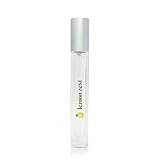
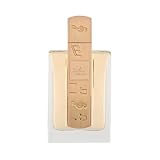


Detailed Product Reviews
Understanding Migraine Triggers in Traditional Perfumes
Fragrance-triggered migraines aren’t just about strong smells—they’re complex neurological responses to specific chemical compounds that bypass your olfactory system and directly stimulate pain pathways. Traditional perfumes can contain over 100 undisclosed ingredients under the generic term “fragrance” or “parfum,” creating a perfect storm for sensitive individuals. These hidden components include known allergens, endocrine disruptors, and volatile organic compounds that can cause blood vessel dilation in the brain, triggering that familiar throbbing pain.
The concentration of these chemicals matters exponentially. Unlike the subtle citrus oils found in nature, synthetic amplifications can be hundreds of times more potent, overwhelming your trigeminal nerve—the primary culprit behind scent-induced headaches. Your nervous system isn’t overreacting; it’s responding to legitimate irritants that shouldn’t be in products designed for daily wear.
The Hidden Chemical Culprits
The most problematic ingredients lurk behind that single word “fragrance” on the label. This legal loophole allows brands to protect their proprietary formulas while exposing consumers to a cocktail of potential triggers. Phthalates, used to make scents last longer, are particularly notorious for disrupting hormone function and triggering vascular headaches. Aldehydes, while creating that sparkling citrus burst, can be overwhelming in synthetic form, causing immediate sensory overload.
Polycyclic and nitro-musks, designed to add depth and longevity, accumulate in fatty tissue and have been linked to increased migraine frequency. Even natural extracts can be problematic when over-concentrated—bergamot oil contains furanocoumarins that can cause photosensitivity and neurological reactions when isolated and amplified beyond its natural state.
Why Synthetic Musks and Phthalates Cause Problems
Your body doesn’t metabolize synthetic musks efficiently. These lipophilic compounds store themselves in your fat cells, releasing slowly over time and creating a low-grade, chronic exposure that can sensitize your nervous system. For migraine sufferers, this means a perfume you wore yesterday could contribute to a headache today. Phthalates, meanwhile, are endocrine disruptors that interfere with estrogen and testosterone production, hormones that directly influence migraine patterns in many individuals.
The molecular weight of these compounds allows them to cross the blood-brain barrier more easily than natural alternatives. Once in your central nervous system, they can trigger inflammatory responses and alter serotonin levels—a key neurotransmitter implicated in migraine pathology. Clean citrus perfumes eliminate these synthetic fixatives entirely, relying instead on natural plant-based alternatives or innovative molecular distillation techniques.
The “Clean” Perfume Revolution
The term “clean” has become a beacon of hope for the fragrance-sensitive, but not all clean perfumes are created equal. True clean fragrance brands operate on principles of radical transparency, ingredient integrity, and safety testing that goes beyond regulatory requirements. They’re not just removing a few bad actors; they’re rebuilding fragrance architecture from the ground up using green chemistry principles.
This revolution isn’t about sacrificing complexity for safety. Modern clean perfumery employs advanced extraction methods like supercritical CO2 extraction and molecular distillation that preserve the full spectrum of citrus essences while removing phototoxic and irritating compounds. The result is multi-dimensional, sophisticated scents that evolve on skin without the migraine payload.
What “Clean” Actually Means in Fragrance
In the context of migraine-safe citrus perfumes, “clean” should mean: full ingredient disclosure down to 0.01%, exclusion of all known neurotoxins and endocrine disruptors, third-party safety verification, and sustainable sourcing that preserves the therapeutic qualities of raw materials. Look for brands that publish their “free-from” lists prominently—this isn’t marketing; it’s a commitment.
The clean standard also extends to how citrus oils are processed. Steam-distilled citrus peels retain fewer allergenic compounds than cold-pressed versions, while fractional distillation can isolate specific molecules like limonene (the uplifting component) while leaving behind furanocoumarins (the phototoxic culprits). This level of technical precision separates genuine clean formulas from greenwashed imitations.
Third-Party Certifications to Trust
While the fragrance industry lacks a single unified clean standard, several certifications provide meaningful guidance. EWG Verified™ means a product avoids EWG’s chemicals of concern, including all known fragrance allergens. Cradle to Cradle certification indicates sustainable sourcing and non-toxic formulation. COSMOS Natural or Organic standards enforce strict limits on synthetic processing aids.
Leaping Bunny certification ensures cruelty-free practices, which often correlates with more ethical ingredient sourcing. For migraine sufferers, the most relevant certification might be MADESAFE®, which screens for behavioral toxins and neurotoxins specifically. However, certification alone isn’t enough—always cross-reference with the brand’s full ingredient list and your personal trigger diary.
Why Citrus? The Science Behind Gentle Brightness
Citrus notes occupy a unique position in migraine-safe perfumery. Unlike heavy florals or intense woods that can be oppressive, quality citrus molecules are inherently volatile—they evaporate quickly, creating a bright opening without sustained exposure. This rapid evaporation means less continuous stimulation of your trigeminal nerve, reducing the cumulative effect that often triggers headaches.
The molecular structure of citrus compounds like limonene and citral interacts differently with olfactory receptors than synthetic musks or phthalates. Research shows these natural terpenes can actually have anxiolytic (anti-anxiety) effects at low concentrations, potentially counteracting some migraine triggers like stress. The key is sourcing and concentration—nature’s blueprint must be respected, not amplified to unnatural levels.
Citrus Notes That Soothe vs. Those That Stimulate
Not all citrus is created equal for sensitive noses. Bergamot, when properly processed to remove bergapten, offers a complex, slightly floral brightness that’s remarkably gentle. Yuzu provides a softer, less acidic profile than lemon, with subtle herbal undertones that temper its intensity. Petitgrain, distilled from the leaves and twigs of the bitter orange tree, delivers a green, woody citrus that’s inherently less stimulating than its blossom (neroli) or fruit counterparts.
Conversely, synthetic grapefruit notes often contain high concentrations of nootkatone, which can be intensely stimulating. Straight lemon oil, especially in high doses, contains citral levels that may trigger sensitization over time. The art lies in blending—when citrus is paired with calming notes like clean musk alternatives (ambrettolide) or soft woods, its potentially irritating edges are smoothed without sacrificing luminosity.
The pH Factor: How Acidity Affects Sensitivity
The pH of a fragrance formulation profoundly impacts how it interacts with your skin and nervous system. Traditional citrus perfumes often have a lower pH due to high concentrations of acidic compounds, which can disrupt your skin barrier and increase transdermal absorption of other irritants. Clean formulations buffer this acidity, creating a skin-neutral pH that reduces both cutaneous and neurological reactivity.
This buffering doesn’t diminish the fresh character of citrus—it simply removes the harsh edge. Think of it as the difference between biting into a lemon wedge versus enjoying a perfectly balanced lemon curd. Advanced formulation uses ingredients like sodium PCA or plant-derived propanediol to maintain stability without adding irritation, ensuring the citrus sings without shouting.
Ingredients to Avoid: The Migraine-Trigger Checklist
When evaluating citrus perfumes, certain ingredients should be automatic disqualifiers regardless of how “natural” a brand claims to be. This isn’t about fear-mongering—it’s about empowering you to make informed decisions based on documented neurotoxicity and allergenic potential.
Your personal blacklist should include: phthalates (often hidden as DEP, DBP, or “fragrance”), synthetic musks (galaxolide, tonalide), aldehydes (C7-C14), nitromusks, polycyclic musks, styrene, benzophenone, and oxybenzone. Also watch for “fragrance oils” or “parfum” without asterisks indicating full disclosure. Even some natural ingredients can be problematic—undiluted cinnamon bark oil, clove leaf oil, and lemongrass oil are common migraine triggers despite being plant-derived.
Ingredients to Embrace: Skin-Friendly Citrus Compounds
On the flip side, certain ingredients signal a migraine-conscious formulation. Look for perfumes featuring: steam-distilled citrus peels (specified as such), limonene isolated from natural sources, natural isolates like citronellol and geraniol in controlled concentrations, and plant-based fixatives like ambrette seed or vegetable glycerin.
Botanical extracts such as chamomile CO2 extract, calendula macerate, and bisabolol (from chamomile) can actually soothe the nervous system while providing gentle fixation for volatile citrus notes. Some innovative brands are using fermented citrus extracts, which naturally reduce allergenic compounds while enhancing complexity. Hyaluronic acid in fragrance might sound unusual, but it acts as a skin-conditioning carrier that slows release, preventing the overwhelming initial burst that often triggers headaches.
Concentration Matters: Eau de Toilette vs. Eau de Parfum
Concentration fundamentally changes how a fragrance interacts with your migraine threshold. Eau de Parfum (15-20% aromatic compounds) might seem counterintuitive for sensitive noses, but the higher oil content often means less alcohol, which can be a trigger itself. The oils also evaporate more slowly, creating a gentle diffusion rather than an aggressive projection.
Eau de Toilette (5-15% aromatic compounds) contains more alcohol and water, creating a more volatile, initially intense experience that can shock the system. For migraine sufferers, the sweet spot is often an Eau de Parfum with a base of non-alcoholic carriers like organic sugarcane alcohol or even water-based formulations. Some clean brands offer “parfum oils” at 30% concentration in a jojoba or fractionated coconut oil base—these provide the most controlled, intimate scent experience with minimal environmental diffusion.
The Art of Safe Sampling: Test Before You Invest
Never commit to a full bottle without rigorous testing. Your nervous system’s response is the ultimate arbiter, and it doesn’t care about brand prestige or price points. Develop a systematic sampling protocol that respects your sensitivity while giving each fragrance a fair evaluation.
Start with blotter strips only—if a scent triggers immediate nausea or eye watering from the strip alone, it’s an automatic no. For those that pass the blotter test, wait 24 hours and apply to skin using the patch testing method. This two-phase approach prevents overwhelming your system and allows you to identify both immediate and delayed reactions.
Patch Testing Protocols for Sensitive Noses
Apply a single drop or one light spray to the inside of your forearm, not your wrist (pulse points generate heat that intensifies diffusion). Cover with a breathable bandage and leave for two hours. Remove the bandage and assess: any tingling, warmth, or headache onset means immediate disqualification.
If no immediate reaction occurs, continue wearing for four hours total, then wash off. Wait 48 hours and monitor for delayed headaches or skin reactions. The gold standard is testing each contender for three consecutive days—many migraine triggers are cumulative, and a single wear won’t reveal a fragrance’s true impact on your system.
Sample Sizes and Decant Strategies
Most clean fragrance brands offer sample programs—take advantage of these, but be strategic. Order no more than three samples at a time to avoid olfactory fatigue and confusion. Keep a detailed fragrance diary noting: date, scent name, application amount, immediate reaction, 2-hour check-in, 4-hour check-in, and 24-hour delayed response.
For discovered favorites, consider decanting your full bottle into smaller spray vials. This limits air exposure (which degrades citrus oils) and allows you to carry just enough for one application, preventing the temptation to over-apply. Some migraine sufferers find that even their safe fragrances become triggers if over-applied, so portion control is essential.
Decoding Citrus Families: Beyond Lemon and Orange
The citrus family in perfumery is far more nuanced than supermarket produce aisles suggest. Understanding these distinctions helps you identify patterns in what your nervous system tolerates. The Rutaceae family (true citrus) includes bergamot, bitter orange, sweet orange, lemon, mandarin, and grapefruit—each with distinct molecular profiles.
Bergamot contains linalyl acetate, which has documented calming effects on the autonomic nervous system. Bitter orange (Citrus aurantium) offers multiple expressions: petitgrain from leaves, neroli from blossoms, and bitter orange oil from peel—each with different trigger potentials. Mandarin is notably lower in citral than lemon, making it inherently gentler.
Hesperidic vs. Aromatic Citrus Blends
Hesperidic fragrances center on true citrus oils, often blended with herbs and light woods. These tend to be more linear and fresh, evaporating cleanly without heavy base notes. For many migraine sufferers, this simplicity is safer—fewer ingredients mean fewer variables.
Aromatic citrus blends incorporate lavender, rosemary, or thyme, creating a more complex, traditionally “masculine-leaning” profile. While the additional botanicals can add soothing elements, they also introduce more potential allergens. Your personal tolerance will determine which structure works better, but hesperidic scents generally offer a lower-risk starting point.
Application Techniques for Minimal Trigger Risk
How you apply fragrance dramatically affects its migraine potential. The conventional wisdom of spraying pulse points creates heat-driven diffusion that can overwhelm sensitive nervous systems. Instead, embrace the “skin scent” approach—perfume should be discovered, not announced.
Spray from 8-10 inches away to create a fine mist, then walk through it once. This distributes fragrance evenly across your body without creating a concentrated hotspot. Alternatively, spray a single mist into the air above you and let it settle like dew. For parfum oils, apply to the base of your throat only—this keeps the scent in your personal space rather than projecting it into your environment.
Never apply fragrance to hair or clothing if you’re migraine-sensitive. Fabric and hair fibers trap scent molecules, creating sustained release that eliminates your ability to escape the stimulus. Keep application away from your face—migraine triggers often involve the trigeminal nerve branches around the nose and eyes.
Budget Considerations: Clean Doesn’t Have to Mean Costly
The clean fragrance market spans from niche luxury to accessible indie brands, but price doesn’t always correlate with migraine safety. Many expensive niche perfumes still use traditional synthetic fixatives, while some budget-friendly clean brands invest heavily in safe extraction methods.
Focus your budget on concentration and ingredient quality rather than brand prestige. A $50 Eau de Parfum with full disclosure and steam-distilled citrus is a better investment than a $200 “clean” fragrance that still hides ingredients behind “proprietary blend.” Look for brands that offer refill programs—this reduces cost per wear and indicates confidence in their formulation’s long-term appeal.
Consider cost-per-wear calculations. A 50ml bottle providing 500 sprays at $75 costs $0.15 per wear. If that fragrance doesn’t trigger migraines, it’s infinitely more valuable than a $30 bottle that sits unused because it causes pain. Some migraine sufferers find that diluting their safe perfumes with a neutral carrier oil (1:1 ratio) doubles the volume while creating an even gentler application—though test this method carefully, as it changes evaporation patterns.
Seasonal Strategies: When to Wear What
Citrus perfumes naturally align with spring and summer, but your migraine patterns may not follow the calendar. Heat and humidity increase fragrance projection and volatility, potentially turning a safe winter scent into a summer trigger. Conversely, cold air can make some citrus notes seem sharp and thin, creating a different kind of sensory irritation.
Develop a seasonal rotation based on your migraine diary patterns. Many find that lighter, greener citrus blends (petitgrain, yuzu, clementine) work better in hot weather, while richer citrus-wood combinations (bergamot with cedar, blood orange with sandalwood) provide warmth without weight in cooler months.
Pay attention to barometric pressure changes—many migraine sufferers are sensitive to weather shifts. Have a “safe” minimalist citrus on hand for high-pressure days when you’re already neurologically vulnerable. Some clean brands offer “summer” and “winter” versions of the same scent profile, with adjusted concentrations and supporting notes to account for temperature-driven volatility.
The Natural vs. Synthetic Debate: A Nuanced View
The clean fragrance world sometimes promotes an oversimplified “natural is always better” narrative, but for migraine sufferers, the reality is more complex. Some of the most potent migraine triggers are natural compounds—furanocoumarins in bergamot, citral in lemongrass, eugenol in clove. Conversely, some safe synthetics are molecularly identical to natural versions but purified of allergenic contaminants.
The key isn’t natural versus synthetic—it’s purified versus crude, disclosed versus hidden. A synthetic limonene that’s 99.9% pure and free of oxidation byproducts may be safer than a “natural” lemon oil that’s oxidized and contaminated with pesticides. Clean chemistry allows for the removal of specific migraine-triggering molecules while preserving the desired aromatic profile.
Look for brands that use “nature-identical” molecules responsibly—transparent about their use and selective in application. The future of migraine-safe perfumery lies in this hybrid approach: natural extraction where it yields the gentlest result, green synthesis where purification is paramount.
Building a Fragrance Wardrobe: Layering Without the Pain
The concept of layering fragrances seems antithetical to migraine safety—more scents equal more triggers, right? Not necessarily. Strategic layering with single-note citrus oils and neutral base scents can create complexity while maintaining control over each component.
Start with a “scent primer”—an unscented or barely-there lotion that creates a barrier and slows diffusion. Apply a single citrus note (like a petitgrain rollerball) to one pulse point and a complementary wood or musk alternative to another, creating a personal aura rather than a uniform scent. This spatial separation means your nose processes each element individually, reducing sensory overload.
Some clean brands offer “accord kits”—sets of 3-4 single-note oils designed to be combined. This gives you complete formulation control. If bergamot alone is safe and clean musk alone is safe, you can blend them in ratios your nervous system tolerates. Keep a blending journal to track combinations and their migraine impact.
Storage Solutions: Preserving Your Investment
Citrus oils are notoriously unstable, oxidizing when exposed to light, heat, and air. Oxidized citrus compounds become more irritating and potentially more triggering. Proper storage isn’t just about preserving scent quality—it’s about maintaining migraine safety.
Store all citrus perfumes in their original boxes in a cool, dark place—ideally below 65°F. A wine refrigerator set to 55°F is perfect for serious collectors. Never store fragrances in bathrooms; temperature fluctuations and humidity accelerate degradation. For extra protection, wrap bottles in aluminum foil to block all light.
Decant larger bottles into smaller, air-tight containers as you use them, minimizing the headspace of air that leads to oxidation. Add a few drops of vitamin E oil to homemade blends—it’s a natural antioxidant that slows citrus oil degradation. If a citrus perfume develops a sharp, metallic, or “off” smell, discontinue use immediately; this indicates oxidation that could trigger migraines.
Frequently Asked Questions
Can citrus perfumes actually help prevent migraines, or just avoid triggering them?
While no fragrance can prevent migraines, certain citrus compounds like linalool and linalyl acetate have documented calming effects on the autonomic nervous system. Some migraine sufferers report that very gentle, properly formulated citrus scents worn at the first sign of prodrome symptoms can provide a sensory anchor that reduces anxiety. However, this is highly individual—what soothes one person may trigger another. Always test during headache-free periods first.
How long should I test a citrus perfume before declaring it safe?
The gold standard is three separate full-day wears during different weeks of your cycle (if applicable) and under varying weather conditions. Many migraine sufferers find their sensitivity fluctuates with hormonal changes and barometric pressure. Keep a detailed diary for at least one month of testing. A fragrance that seems safe on a low-stress Saturday may trigger a headache on a high-pressure Monday.
Are organic citrus perfumes automatically safer for migraine sufferers?
Not necessarily. “Organic” refers to farming practices, not migraine safety. An organic cold-pressed bergamot oil still contains furanocoumarins unless they’ve been removed through distillation. Look for “bergapten-free” or “FCF” (furanocoumarin-free) specifically. Organic certification is a bonus for environmental and skin health reasons, but it doesn’t guarantee neurological safety.
Why do some clean citrus perfumes still list “fragrance” on their ingredient list?
Some brands use “fragrance” to protect their proprietary blends but asterisk it to indicate full disclosure on their website or packaging insert. This is acceptable if they provide a complete list elsewhere. True transparency means you can access every single ingredient, including sub-components of essential oils. If a brand won’t provide this information, it’s not truly clean, regardless of marketing claims.
Can I develop a migraine trigger to a citrus perfume I’ve worn safely for years?
Yes, unfortunately. Sensitization is a real phenomenon where repeated exposure to even safe levels of a compound can eventually trigger an immune or neurological response. This is more likely with perfumes containing high concentrations of citral or limonene without moderating notes. Rotating between 2-3 safe fragrances rather than wearing the same one daily can reduce sensitization risk.
What’s the difference between “phototoxic” and “migraine-triggering” in citrus oils?
Phototoxicity causes skin burns when exposed to UV light, while migraine-triggering affects your nervous system. Some compounds do both, but they’re separate issues. Bergapten causes phototoxicity but isn’t a major migraine trigger. Conversely, high citral levels can trigger migraines without making skin photosensitive. A clean citrus perfume should address both concerns by removing phototoxic compounds and moderating potentially neuroactive ones.
Are water-based citrus perfumes better for migraine sufferers?
Often, yes. Water-based formulations contain minimal or no alcohol, reducing volatility and initial intensity. They wear closer to the skin and evaporate more gently. However, water-based scents have shorter longevity, requiring reapplication. Some find the reapplication process itself is a trigger, so this becomes a personal calculation. Look for hybrid formulas using organic sugarcane alcohol in very low concentrations (under 40%) as a middle ground.
How do I handle social situations where others are wearing triggering fragrances?
Carry a small vial of your safe citrus perfume and apply it to your inner wrists. When you encounter a triggering scent, hold your wrists near your nose and breathe slowly. This provides a controlled, safe olfactory input that can sometimes override the triggering scent. Some migraine specialists recommend this “scent masking” technique. Additionally, don’t hesitate to politely excuse yourself from heavily fragranced spaces—your neurological health takes precedence.
Can I wear citrus perfume if I have both migraines and asthma?
This requires extra caution, as respiratory irritation and migraine triggers often overlap. Avoid any citrus perfume with high alcohol content or synthetic “fresh” molecules that can irritate airways. Test in extremely small amounts and consider oil-based roll-ons only. Some asthmatic migraine sufferers find that applying fragrance to ankles or behind knees—far from the face—provides a subtle scent experience without respiratory impact.
Why do some migraine-safe citrus perfumes smell “flat” or disappear quickly?
The very compounds that make conventional perfumes long-lasting (synthetic musks, phthalates, heavy fixatives) are what make them migraine-triggering. Clean citrus perfumes rely on volatile natural oils that inherently evaporate faster. This isn’t a flaw—it’s the trade-off for safety. Embrace the art of reapplication or look for formulations that use plant-based fixatives like benzoin resinoid or Peru balsam, which add depth without toxicity. The “flatness” you perceive may actually be your nervous system appreciating the absence of overwhelming base notes.