Table of Contents
Perfume oils are having their moment, and by 2026, they’ll be the backbone of every sophisticated fragrance wardrobe. Unlike traditional alcohol-based perfumes that simply sit on your skin, perfume oils merge with your natural chemistry to create something entirely personal. The art of layering these concentrated elixirs isn’t just about smelling good—it’s about crafting an olfactory signature so unique that it becomes your calling card.
But here’s the challenge: with thousands of options flooding the market, from artisanal attars to molecular innovations, how do you choose oils that won’t just smell pleasant individually but will harmonize into something greater than the sum of their parts? This guide cuts through the noise, giving you the expert framework to build a collection that works as a cohesive layering system, not just a random assortment of pretty scents.
Top 10 Perfume Oils
Detailed Product Reviews
1. Ard Al Zaafaran Yara Perfume Roller for Women, 0.34 Ounce

Overview: Ard Al Zaafaran’s Yara Perfume Roller delivers a concentrated gourmand experience in a convenient 10ml format. This alcohol-free oil opens with a vibrant fruity medley of peach, raspberry, and tangerine, softened by heliotrope and orchid. The heart reveals jasmine and rose intertwined with tropical fruits, while the base settles into a decadent vanilla-caramel embrace. Designed for on-the-go application, this roll-on captures the essence of Middle Eastern perfume craftsmanship in a pocket-friendly vessel. The scent profile leans heavily into sweet, creamy territory with synthetic gourmand accords that create an immediately recognizable signature.
What Makes It Stand Out: The complexity of Yara’s layering distinguishes it from typical drugstore rollers. It successfully balances fruit, floral, and dessert-like notes without becoming cloying. The alcohol-free formulation ensures longevity while remaining gentle on skin, and the concentrated oil format provides excellent projection for its size. Its ability to transition from bright fruity opening to warm, seductive base demonstrates thoughtful composition rarely seen at this price tier.
Value for Money: At approximately $8-12 for 10ml, Yara offers exceptional value. Comparable designer gourmand sprays cost 5-10 times more while delivering similar scent complexity. The oil concentration means a single application lasts 6-8 hours, stretching the small bottle further than expected. For budget-conscious fragrance lovers seeking luxury-adjacent experiences, this represents minimal financial risk with maximum olfactory reward.
Strengths and Weaknesses: Strengths include outstanding longevity, travel-friendly packaging, and sophisticated scent evolution. The rollerball ensures precise application without waste. Weaknesses involve synthetic undertones that may disappoint niche perfume purists, and the sweet profile might feel overwhelming in hot weather. The 10ml size requires frequent repurchase for daily wearers.
Bottom Line: Yara is an impressive entry into gourmand perfume oils, perfect for those wanting dessert-like sophistication without designer price tags. Ideal for evening wear and cooler months, it’s a worthy addition to any sweet fragrance collection.
2. Al Rehab Choco Musk Marshmallow – Sweet Chocolate-Vanilla Concentrated Perfume Oil Roll-On for Unisex, 0.2 Ounce / 6ml

Overview: Al Rehab’s Choco Musk Marshmallow is a 6ml concentrated perfume oil that unapologetically embraces pure gourmand indulgence. This unisex fragrance opens with an immediate burst of marshmallow and strawberry sweetness, creating a candy-like aura. The heart introduces amber warmth, preventing the composition from becoming one-dimensional, while the base of vanilla, musk, and cacao provides a creamy, comforting finish. The roll-on format allows for discreet touch-ups throughout the day, making it an accessible entry point into Middle Eastern perfume oils.
What Makes It Stand Out: The playful authenticity of its dessert-inspired profile sets it apart from more traditional perfume oils. It doesn’t pretend to be sophisticated—it simply delivers exactly what it promises: a wearable chocolate-marshmallow treat. The concentration is surprisingly potent for such an inexpensive product, and the unisex designation holds true as the musk prevents it from feeling overly feminine despite the sugary notes.
Value for Money: At roughly $3-5 per bottle, this is among the most affordable perfume oils available. The price-to-pleasure ratio is outstanding, offering 4-6 hours of wear per application. While the 6ml size is small, the minimal investment required makes it easy to repurchase or collect multiple scents from the brand’s extensive lineup.
Strengths and Weaknesses: Strengths include unbeatable affordability, genuine gourmand character, and surprising longevity for the price. The compact size fits anywhere. Weaknesses are the simplistic linear development, potential for scent fatigue due to intense sweetness, and synthetic quality that lacks nuance. The small rollerball can dispense inconsistently.
Bottom Line: This is a guilt-free gourmand fix for sweet scent lovers on the tightest budgets. While not refined, it’s undeniably fun and delivers remarkable performance for its price point.
3. Ether Perfumes SAUVAGE Concentrated Perfume Oil 100ml I Premium Grade Extract I Perfume Making I Body Oil I Aromatherapy I Quality Designer Niche Fragrance Oil
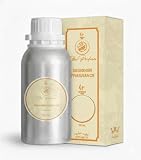
Overview: Ether Perfumes SAUVAGE is a 100ml bulk fragrance oil designed for perfumers and DIY enthusiasts rather than direct wear. This premium-grade extract promises French and Swiss oil quality with zero alcohol and higher concentration for extended longevity. The name suggests designer fragrance inspiration, positioning it as a base for personalized scents or aromatherapy. This is a professional-grade ingredient, not a finished perfume product.
What Makes It Stand Out: The sheer volume and potency distinguish this from consumer perfume oils. At 100ml, it provides substantial material for extensive experimentation. The premium sourcing claim enables it to function as both a standalone scent for intensity lovers and a versatile blending component. The lack of alcohol makes it suitable for hair and skincare products.
Value for Money: Priced around $25-35 for 100ml, the cost-per-milliliter is exceptionally low. However, value depends entirely on user intent. For perfumers, it’s economical; for casual users seeking ready-to-wear fragrance, it represents over-purchasing. Comparable designer-inspired oils cost more per ml but come in wearable formats.
Strengths and Weaknesses: Strengths include massive quantity, high concentration, versatility for crafting, and clean ingredient profile. It’s cost-effective base material. Weaknesses involve lack of a proper applicator, requiring separate rollers or droppers. The scent may need dilution for comfortable wear, demanding formulation knowledge. It’s not travel-friendly and risks oxidation without proper storage.
Bottom Line: This is a professional tool, not a casual fragrance. Perfect for DIY perfumers and product makers, but overwhelming and impractical for everyday consumers seeking simple application.
4. Swiss Arabian Layali Rouge - Luxury Products From Dubai - Long Lasting Personal Perfume Oil Fragrance - A Seductive Signature Aroma - 0.5 Oz

Overview: Swiss Arabian’s Layali Rouge is a 0.5oz (15ml) luxury perfume oil that exemplifies Dubai’s rich fragrance heritage. This seductive scent opens with papaya and lemon, creating a luminous tropical introduction. The heart reveals peach and rose, deepened by coconut and hibiscus for exotic floral-fruity complexity. As a concentrated attar-style oil, it offers an intensely personal scent experience that evolves intimately with skin chemistry. The alcohol-free formulation ensures hypoallergenic wear while delivering exceptional longevity.
What Makes It Stand Out: The sophisticated fusion of tropical fruits with classic rose creates a unique profile that bridges Western and Middle Eastern preferences. Swiss Arabian’s heritage brand status guarantees quality craftsmanship, and the hand-blended nature of their oils results in a smoother, more refined scent journey than mass-produced alternatives. The papaya-coconut combination is particularly distinctive, offering creamy fruitiness rarely executed this elegantly.
Value for Money: At $15-20 for 15ml, Layali Rouge sits in the mid-range for luxury perfume oils. While pricier than drugstore options, the quality justifies the cost—comparable designer fruity-florals cost significantly more for less concentration. The attar format means minimal product creates maximum impact, with 8-12 hour wear typical.
Strengths and Weaknesses: Strengths include sophisticated composition, excellent longevity, skin-friendly formulation, and unique tropical-floral character. The brand’s reputation ensures consistency. Weaknesses involve a specific taste profile that may not suit gourmand or woody scent lovers, and the roller applicator limits diffusion compared to sprays. The scent can feel heavy in high heat.
Bottom Line: Layali Rouge is an authentic luxury attar perfect for those seeking a signature tropical-floral scent with Middle Eastern craftsmanship. A worthy investment for connoisseurs.
5. Al-Rehab Choco Musk Concentrated Perfume Rollerball for Unisex, 0.2 Ounce

Overview: Al-Rehab’s original Choco Musk is a 6ml concentrated perfume oil that delivers a warmer, spicier interpretation of chocolate gourmand compared to its marshmallow sibling. This amber-vanilla fragrance opens with warm spicy amber, transitioning to a sweet, powdery vanilla heart before settling into a chocolate-cocoa base softened by musk. The roll-on format provides precise application, while the non-alcoholic formulation ensures skin compatibility. As one of the brand’s most popular offerings, it represents accessible Middle Eastern perfumery at its most democratic price point.
What Makes It Stand Out: The spicier opening distinguishes it from typical sweet gourmands, adding sophistication and wearability across seasons. The powdery vanilla heart prevents the chocolate base from becoming too dense, creating a balanced, cozy aura. Its cult following speaks to its reliability as a daily-wear gourmand that doesn’t overwhelm. The musk note is particularly well-integrated, providing clean sensuality rather than animalic intensity.
Value for Money: At $3-5 per bottle, the value is exceptional. The oil concentration delivers 5-7 hours of wear, outperforming many designer eau de toilettes at ten times the price. For budget gourmand lovers, it’s a low-risk staple that can be worn alone or layered. The small size encourages exploration of Al-Rehab’s extensive catalog without commitment.
Strengths and Weaknesses: Strengths include incredible affordability, versatile chocolate-spice profile, impressive longevity, and skin-friendly formulation. The compact size is travel-perfect. Weaknesses are the linear dry-down, synthetic chocolate note that lacks realism, and inconsistent batch quality. The rollerball can clog, and the scent may feel too simple for complex fragrance enthusiasts.
Bottom Line: A must-try for gourmand fans seeking a warm, spicy chocolate scent on a shoestring budget. While not luxurious, it’s dependable, pleasant, and absurdly affordable.
6. HIQILI 1 Fl Oz Vanilla Essential Oil, Undiluted Natural Strong Fragrance Add in Skin Perfume, Unscented Lotion, Candle Soap Making Scent, Relax at Home with Diffuse Warm Sweet Aroma

Overview: The HIQILI Vanilla Essential Oil presents itself as a versatile, multi-purpose aromatic solution for home and personal care. Marketed as 100% pure vanilla essential oil steam-distilled from natural sources, this one-fluid-ounce bottle targets DIY enthusiasts seeking warm, sweet fragrance for everything from diffusers to homemade soaps. The product emphasizes its undiluted nature and extensive application possibilities.
What Makes It Stand Out: This oil’s primary distinction lies in its remarkable versatility. The brand provides detailed usage instructions for an impressive range of applications: laundry freshening, cleaning products, massage oils, candle making, and personal care formulations. The inclusion of specific dilution ratios for body use demonstrates thoughtful product education. For household purposes, the suggestion of adding drops to washing machines or cleaning solutions offers practical value beyond typical aromatherapy uses.
Value for Money: At one fluid ounce, this product sits in the mid-range pricing tier for vanilla aromatic products. True vanilla absolute typically commands premium prices due to extraction costs, so if this delivers authentic vanilla scent, it represents solid value. The concentration allows for extensive dilution across multiple applications, effectively stretching the investment across numerous DIY projects compared to purchasing separate scented products.
Strengths and Weaknesses: Strengths include exceptional versatility, clear usage guidelines, and multi-scenario applications. The concentrated formula enables customization. However, the “essential oil” designation is technically inaccurate—vanilla is typically an absolute or CO2 extract, not a steam-distilled essential oil. This may mislead purists. The scent profile may differ from expectations, described as “fresh, slightly herbal” rather than rich and deep. Requires careful dilution for skin safety.
Bottom Line: Ideal for DIY creators seeking vanilla fragrance for household and craft applications. While the terminology is imprecise, the practical utility across cleaning, aromatherapy, and personal care makes it a worthwhile addition to any home apothecary, provided users understand it’s likely a fragrance oil blend rather than true essential oil.
7. Al-Rehab Love Apple Premium Arabian Perfume Oil - 6Ml

Overview: Al-Rehab Love Apple Premium Arabian Perfume Oil delivers a 6ml concentrated fragrance experience rooted in Middle Eastern perfumery tradition. This alcohol-free oil features a distinctive three-tier composition: crisp green apple opening, warm vanilla-cinnamon heart, and soft musk base. The compact bottle represents an accessible entry point into the world of traditional attars and perfume oils.
What Makes It Stand Out: The fragrance profile uniquely balances fresh fruity top notes with gourmand warmth, creating a versatile scent that transitions from energizing to comforting. Arabian perfume oils are renowned for their longevity and sillage, and this concentrated formula requires only a dab to the pulse points. The green apple note provides modern freshness rarely found in traditional attars, while the vanilla-cinnamon heart adds familiar comfort.
Value for Money: For under $10, this perfume oil offers exceptional affordability compared to Western alcohol-based perfumes. The 6ml size is standard for concentrated oils and will last months with proper use. A little truly goes a long way—one bottle often outlasts a 30ml Eau de Toilette. This represents one of the most cost-effective ways to explore authentic Arabian perfumery without investing in expensive niche brands.
Strengths and Weaknesses: Strengths include impressive longevity, unique scent profile, cultural authenticity, and unbeatable price point. The oil format is travel-friendly and skin-nourishing. However, the rollerball applicator can be inconsistent, and the concentrated nature requires a learning curve—over-application is easy. The sweet gourmand heart may not suit those preferring fresh or floral scents. The small size can feel underwhelming initially.
Bottom Line: A must-try for fragrance explorers and gourmand scent enthusiasts. Al-Rehab Love Apple offers an authentic Arabian perfume oil experience with a modern twist at an impulse-buy price. While application requires finesse, the unique apple-vanilla-cinnamon composition and remarkable staying power make it an excellent value addition to any fragrance wardrobe.
8. MOBETTER FRAGRANCE OILS ReGain The Feeling Perfume Body Oil

Overview: MOBETTER FRAGRANCE OILS ReGain The Feeling Perfume Body Oil positions itself as an affordable dupe impression of a popular designer fragrance. This roll-on format contains 100% pure fragrance oil without alcohol, designed to replicate a recognizable scent profile at a fraction of the cost. The compact size targets budget-conscious consumers seeking familiar luxury aromas.
What Makes It Stand Out: The brand’s transparent approach to being an “impression” rather than counterfeit is noteworthy. The alcohol-free, oil-based formula offers longer wear time than traditional alcohol-based perfumes, as oils don’t evaporate quickly and meld with skin chemistry. The convenient roll-on applicator makes precise application and travel portability effortless, eliminating spills and TSA liquid restrictions.
Value for Money: This represents significant savings compared to designer fragrances costing 5-10 times more. As a pure oil, concentration is higher than Eau de Parfum, requiring less product per use. For consumers prioritizing scent over brand prestige, this delivers the core experience without marketing overhead. The travel size prevents commitment to full bottles of untested fragrances.
Strengths and Weaknesses: Strengths include affordability, portability, alcohol-free longevity, and honest marketing about its dupe status. The oil base is moisturizing and suitable for sensitive skin. However, scent accuracy varies—impressions rarely capture the full complexity of originals. The lack of brand affiliation means no quality guarantee, and ethical considerations about dupes may concern some buyers. The small size runs out quickly with daily use.
Bottom Line: A practical choice for fragrance lovers on a budget who want to enjoy familiar scents without designer price tags. While it won’t replace the nuanced artistry of the original, MOBETTER’s ReGain The Feeling offers commendable value for casual wear and travel. Manage expectations regarding scent accuracy and appreciate it as an affordable, long-lasting alternative.
9. MOBETTER FRAGRANCE OILS Powder Fresh Scent Perfume Fragrance Body Oil Unisex

Overview: MOBETTER FRAGRANCE OILS Powder Fresh Scent Perfume Fragrance Body Oil offers a unisex interpretation of a classic clean powder aroma. Like its brand siblings, this alcohol-free roll-on provides a dupe impression of a familiar powder fragrance. The 100% pure oil formulation targets those seeking a fresh, understated scent alternative to floral or gourmand options.
What Makes It Stand Out: The unisex positioning broadens appeal beyond gendered marketing, focusing on the universal comfort of clean powder notes. This scent profile excels in professional settings where subtlety is prized. The oil format provides a more intimate scent experience—detectable up close but not projecting aggressively. For powder fragrance enthusiasts, this offers an affordable way to maintain the scent throughout the day with easy reapplication.
Value for Money: Positioned as a budget-friendly alternative to designer powder fragrances, this delivers the core clean scent experience at drugstore prices. The concentrated oil means each application requires minimal product, extending the small bottle’s lifespan. For those who use powder scents as a layering base or for specific occasions, this eliminates investment in expensive full-size bottles.
Strengths and Weaknesses: Strengths include versatile unisex appeal, subtle professional suitability, alcohol-free formula, and travel convenience. The powder scent is nostalgic and comforting. However, powder fragrances can smell dated to some noses and may trigger associations with baby products. As a dupe, it lacks complexity and evolution. The scent may feel too subtle for those preferring bold fragrances. Oil texture might feel heavy in hot weather.
Bottom Line: Perfect for professionals and minimalists seeking an affordable, clean signature scent. MOBETTER’s Powder Fresh excels in subtlety and versatility, making it ideal for close-contact environments. While it won’t satisfy those wanting dramatic fragrance statements, it delivers reliable, comforting freshness at an unbeatable price point for unisex powder scent lovers.
10. Kuumba Made Vanilla Bean Fragrance Oil, Long-Lasting Small-Batch Perfume Roller, Vegan, Alcohol-Free, 0.15 Fl Oz

Overview: Kuumba Made Vanilla Bean Fragrance Oil represents artisanal perfumery in a 0.15 fl oz rollerball. This small-batch, vegan fragrance oil emphasizes ethical production and quality ingredients, featuring a creamy vanilla bean scent in a nourishing jojoba oil base. The brand positions itself as a conscious alternative to mass-market perfumes.
What Makes It Stand Out: The commitment to ethical crafting—cruelty-free, vegan, and sustainably formulated—distinguishes this from competitors. The jojoba oil base not only delivers fragrance but also moisturizes skin without greasiness. Small-batch production suggests greater quality control and attention to detail. The warm vanilla bean scent is achieved through complex layering of top, middle, and bottom notes, offering sophistication beyond simple vanilla extracts.
Value for Money: At a higher price per ounce than mass-market options, the value lies in ingredient quality and ethical production. The concentrated formula requires minimal application, making the tiny bottle last longer than expected. For consumers prioritizing cruelty-free, vegan products, the premium is justified. The multi-note complexity approaches niche perfume quality at a fraction of niche pricing.
Strengths and Weaknesses: Strengths include ethical credentials, quality jojoba oil base, sophisticated scent composition, and portability. The alcohol-free formula suits sensitive skin and provides true lasting power. However, the 0.15 fl oz size is extremely small, requiring frequent repurchase for daily users. The premium pricing may deter budget shoppers. Limited availability compared to mainstream brands. The rollerball can sometimes dispense inconsistently.
Bottom Line: An excellent choice for ethically-minded consumers seeking a sophisticated vanilla fragrance. Kuumba Made’s Vanilla Bean Oil delivers quality, conscience, and performance in a tiny package. While the size and price require commitment, the superior ingredients, small-batch quality, and lasting scent make it a worthwhile investment for those who value sustainable luxury over quantity.
Understanding the Art of Perfume Oil Layering
Layering perfume oils is fundamentally different from spraying multiple fragrances. You’re not just stacking scents—you’re conducting an orchestra where each oil must know when to lead and when to support. The absence of alcohol means these oils don’t evaporate in a predictable pyramid; instead, they bloom, melt, and fuse directly with your skin’s warmth.
Think of your collection as a modular system. Each oil should serve multiple functions: a robust sandalwood might act as a base in one combination and a heart in another. A bright bergamot could serve as a top note spark or a standalone fresh accent. This versatility is the hallmark of a well-curated layering wardrobe.
The Science Behind Why Oils Layer Better Than Alcohol-Based Sprays
The molecular structure of perfume oils allows for true integration rather than competition. Alcohol-based fragrances dry down by evaporation, creating distinct phases that can clash when combined. Perfume oils, however, coalesce through skin absorption, sharing carrier oil mediums that allow their aromatic molecules to intermingle organically.
This molecular dance means that oil-based fragrances don’t fight for dominance—they negotiate. A oud oil won’t bulldoze a delicate rose if applied correctly; instead, they’ll find common ground in shared woody-floral lactones. This is why oil layering often produces more nuanced, less “screechy” results than spray layering.
How Perfume Oils Evolve on Skin vs. Paper Strips
Testing oils on paper tells you approximately 30% of their story. On skin, the narrative becomes complex. Your sebum, pH, and temperature act as interpreters, emphasizing certain molecules while muting others. An oil that smells linear on paper might reveal hidden facets on your wrist—smoky undertones in a vanilla, or green shoots in a white floral.
Always test on the inside of your forearm for the most accurate read. This area offers consistent temperature and minimal hair interference. Wait a full two hours before judging, as oil dry-down is slower and more deliberate than alcohol-based fragrances. What you smell at minute five will be a completely different creature by hour three.
Decoding Fragrance Families for Layering Success
Forget everything you know about traditional fragrance families if you’re coming from the spray perfume world. Oil families behave differently. A “woody” oil isn’t just woody—it might be resinous-woody, dry-woody, or creamy-woody, and each subtype layers with entirely different partners.
Create a mental map where families overlap. Florals don’t just sit in one corner; they bleed into fruity, green, and oriental territories. The 2026 approach involves understanding these overlaps as layering opportunities. A tuberose oil with creamy facets can bridge into lactonic scents (like coconut or fig) just as easily as it can into classic white florals.
Top, Heart, and Base Notes: Your Layering Blueprint
In oil layering, these terms are guidelines, not rules. A “top note” oil like grapefruit might persist for hours because oils don’t evaporate quickly. Conversely, a “base note” like patchouli can announce itself immediately if it’s a high-quality, volatile fraction.
The trick is to think in terms of weight and diffusion. Light, volatile molecules (citrus, light herbs) create lift. Medium-weight molecules (most florals, spices) provide body. Heavy, tenacious molecules (woods, resins, balsams) offer anchor. Your layering strategy should involve at least two of these weights, ideally all three, to create dimensional scent.
The 2026 Fragrance Family Matrix: What Works Together
This year’s layering logic favors “intelligent contrast” over safe complementarity. The matrix is shifting: gourmand notes now pair with mineralic scents, creating edible-stone hybrids. Aquatic notes are being grounded with fungal or soil accords rather than the expected citrus.
The most successful 2026 combinations follow three patterns: shared molecular skeletons (like pairing two lactonic scents), complementary emotional tones (serene+serene rather than chaotic+chaotic), and structural opposition (dense+molecular, sweet+bitter). Keep a personal journal of what works—the matrix is highly individual.
Quality Indicators: What Separates Premium from Poor Perfume Oils
The market is saturated with oils that smell impressive for five minutes before collapsing into synthetic nothingness. True quality reveals itself in complexity and evolution. A premium oil will show development over at least four hours, revealing new facets rather than simply fading.
Look for clarity without being watery. The oil should move like silk, not syrup. Color matters: a jasmine absolute should be deep amber, not clear; a sandalwood should be pale gold, not dark brown. Dark colors often indicate oxidation or poor filtration. The bottle should be amber or cobalt glass—clear glass signals a brand that doesn’t understand light degradation.
Concentration Levels: From Attar to Absolute
Understanding concentration is crucial for layering balance. Attars (traditionally distilled into sandalwood oil) are typically 20-30% aromatic compounds and blend seamlessly with other oils. Absolutes are nearly 100% aromatic material—use them as accents, not foundations. Essential oils vary wildly: some are potent (like clove, which can irritate at high doses), while others are gentle (like mandarin).
For layering, aim for a collection where most oils sit in the 15-25% concentration range. This gives you flexibility. Keep one or two “powerhouse” absolutes for when you need a specific note to punch through, but build your core collection around more moderate concentrations that play well with others.
Carrier Oil Quality: The Unsung Hero
The carrier is your blending medium. Jojoba oil (technically a wax) is the gold standard—it mimics skin sebum, has indefinite stability, and doesn’t oxidize. Fractionated coconut oil is odorless and affordable but can feel greasy. Argan oil adds its own nutty facet, which can complement or clash.
In 2026, we’re seeing innovative carriers like squalane (weightless, skin-identical) and camellia oil (fast-absorbing, antioxidant-rich). Avoid mineral oil entirely—it creates a barrier that prevents the fragrance from melding with your skin. The carrier should enhance, not hinder, the aromatic experience.
Skin Chemistry: Your Personal Layering Laboratory
Your skin is the ultimate alchemist. The same oil can read as luminous on one person and cloying on another. This isn’t random—it’s biochemistry. People with oilier skin tend to amplify sweeter notes while making fresh notes disappear. Dry skin drinks oils quickly, often requiring stronger base notes for longevity.
Test systematically. Apply the same oil to your wrist, neck, and behind your ear on different days. You’ll discover your “sweet spots”—areas where certain families bloom best. For many, the décolletage amplifies florals while the inner elbow emphasizes woods. This knowledge becomes your secret weapon for strategic application.
How pH, Temperature, and Diet Affect Oil Performance
Your skin’s pH can shift dramatically—by up to 1.5 points—depending on diet, stress, and even the time of month. More acidic skin (lower pH) tends to brighten citrus and suppress musks. Alkaline skin does the opposite, making musks radiate and turning citruses harsh.
Temperature affects diffusion rate but also molecular shape. Warm skin can “unlock” certain molecules, making them more volatile. This is why the same scent smells different in summer versus winter. Diet plays a role too: high sulfur foods (garlic, cruciferous vegetables) can alter skin secretions, while dehydration concentrates skin salts, affecting how oils unfold.
Testing on Skin vs. Testing on Paper
Paper strips are useful for initial screening—detecting obvious flaws or red flags—but they’re a blunt instrument. For layering decisions, you need skin data. Apply potential combinations on both arms simultaneously. Live with them for a full day, noting not just the smell but how it makes you feel.
The “revisit test” is crucial. Smell the combination at hour one, hour three, and hour six. A good layering will show evolution, not decay. If it simply gets quieter, the oils aren’t interacting—they’re just fading. True layering creates new notes that weren’t present in either oil alone.
Seasonal Strategy: Building a Year-Round Layering Wardrobe
In 2026, we’re moving away from rigid seasonal rules. Instead, think in terms of “scent temperature” and “atmospheric pressure.” Heavy, resinous oils don’t automatically belong to winter—they can work in summer if applied strategically to cooler pulse points and paired with molecular, airy notes.
Create a modular wardrobe: 3-4 core base oils that work year-round (sandalwood, ambrette, a soft musk), 4-5 seasonal heart notes (florals for spring, spices for fall), and 2-3 top note accents that provide lift when needed. This system allows you to adjust for weather without needing separate collections.
The 2026 Layering Philosophy: Complementary vs. Contrasting
The old advice was to stay within the same family—floral with floral, woody with woody. Contemporary layering is more sophisticated. We’re seeing “intelligent friction” where disparate elements create tension that resolves beautifully.
Complementary layering in 2026 means finding shared molecular structures across families. A rose oxide note appears in both rose oils and certain geraniums, creating an invisible bridge. Contrasting layering means pairing opposites that share emotional resonance: the cleanliness of iris with the earthiness of mushroom, the warmth of amber with the chill of mint.
The “Bridge Note” Technique
This is the professional perfumer’s secret. Select one oil that contains elements of both families you want to combine. Want to layer a bright citrus with a deep oud? Find a neroli oil that has smoky undertones, or a bergamot with leather facets. This middle oil creates a gradient rather than a cliff edge.
Apply the bridge note first, let it settle for five minutes, then apply your two primary oils to either side of it (one closer to the wrist, one closer to the elbow). The bridge will naturally diffuse between them, creating a seamless transition.
The “Gradient Layering” Method
Instead of mixing oils directly, create a physical gradient on your skin. Apply your heaviest oil near your wrist, your medium oil mid-forearm, and your lightest oil near your elbow. As you move, you experience the combination in different ratios.
This method solves the “muddy middle” problem where too many oils applied to the same spot create confusion. It also allows your skin chemistry to interact with each oil individually before they meet, creating a more complex final impression.
Application Mastery: Where, How, and How Much
Quantity is the enemy of sophistication in oil layering. Start with half a drop of each oil—literally. Touch the rollerball or wand to your skin without pressing, then use your finger to spread. You can always add; you cannot subtract.
Strategic placement creates dimension. Apply base notes to warmer areas (wrists, behind knees) where they’ll radiate. Place heart notes on cooler areas (décolletage, inner elbows) where they’ll develop slowly. Reserve top notes for unexpected spots like the nape of your neck or along your jawline, where movement will release them intermittently.
Storage and Preservation: Protecting Your Investment
Perfume oils are more stable than alcohol fragrances but still vulnerable. Light, heat, and oxygen are the three enemies. Store oils in their original boxes in a cool, dark drawer. The refrigerator is excellent for long-term storage of precious absolutes—just let them come to room temperature before use.
Never leave bottles open for more than a few seconds. Oxygen begins oxidizing the oil immediately, creating off-notes. If an oil develops a sharp, vinegary top note or becomes viscous and dark, it’s past saving. Quality oils should last 3-5 years if stored properly, though citrus oils have a shorter 1-2 year lifespan.
Budget Intelligence: Luxury vs. Affordable Excellence
A $300 sandalwood isn’t necessarily better than a $60 one—it might just be rarer. For layering, you need reliable workhorses and special accent pieces. Allocate 60% of your budget to versatile, mid-range oils (jasmine, vetiver, cedar) that you’ll use frequently. Spend 30% on one or two signature absolutes (rose de mai, oud) that elevate combinations. Reserve 10% for experimental oddities.
The 2026 market offers exceptional quality at accessible prices thanks to improved extraction technologies and direct-to-consumer brands. Don’t equate price with quality—equate transparency with quality. Brands that disclose sourcing, concentration, and carrier oil are often more trustworthy than luxury houses with opaque practices.
Niche vs. Designer: The 2026 Landscape
The line has blurred. Designer brands now offer “atelier lines” of pure oils, while niche houses are creating more accessible diffusion lines. The real distinction lies in creative risk-taking. Niche brands experiment with unusual notes (mushroom, metal, concrete) that can add intrigue to your layering wardrobe.
For core layering pieces, designer oils often provide better consistency and batch control. For signature accents that make your combinations unique, niche is where the magic happens. The ideal collection mixes both: reliable staples from established houses and conversation-starting oddities from indie artisans.
Sustainability and Ethics: The Conscious Consumer’s Guide
By 2026, sustainable sourcing is non-negotiable. Look for brands that use cultivated rather than wild-harvested sandalwood, synthetic replacements for endangered animalics, and fair-trade florals. The “clean” fragrance movement has evolved beyond marketing—it’s about environmental impact and worker welfare.
Blockchain traceability is emerging, allowing you to verify an oil’s journey from farm to bottle. Brands using this technology are leading the ethical charge. Avoid oils with vague “perfume oil” ingredient lists; transparency about components indicates both quality and conscience.
Testing Strategies: The Smart Way to Sample
Never buy full bottles without extended skin testing. The 2026 sampler is sophisticated: order the smallest available size (usually 1-2ml) and test for at least three full days. Wear it alone, then try it with one core oil from your collection.
Create a “scent diary” with notes on how the oil behaves in different weather, at different times of day, and in different moods. An oil that works beautifully on a calm Sunday might become overwhelming during a stressful Tuesday meeting. This data is invaluable for building a truly functional wardrobe.
Common Layering Mistakes and How to Avoid Them
The number one mistake is over-layering. Three oils is the practical maximum for most people—more creates noise, not music. Another pitfall is combining too many heavy notes, creating a scent that’s oppressive rather than opulent.
Avoid “note collision” by never layering two oils that share a dominant synthetic component. If both contain high levels of Iso E Super, they’ll amplify each other into a screechy, unnatural mess. Read ingredient lists when available, and trust your nose—if two oils smell similar in their dry-down, they likely share a common synthetic and shouldn’t be combined.
Future-Proofing Your Collection: 2026 Trends and Beyond
The future is hybrid. We’re seeing the rise of “augmented oils” infused with skin-care actives that adjust to your pH in real-time. AI-assisted layering apps can analyze your skin chemistry and suggest combinations, though the human nose remains the final judge.
Molecular perfumery is democratizing, with once-patented molecules now available in oil form. These ultra-modern notes (like cashmeran or calone) can add contemporary edge to traditional compositions. Build your collection with one foot in timeless naturals and one in innovative molecules to stay relevant.
Frequently Asked Questions
What’s the difference between perfume oils and essential oils for layering?
Perfume oils are fragrance compositions diluted in a carrier oil, designed specifically for wear on skin. Essential oils are pure, single-note extractions from plants, highly concentrated and often too potent to wear alone. For layering, you want perfume oils that are already balanced and safe for skin contact. Essential oils require advanced knowledge of dilution rates and can cause irritation if misused. Think of perfume oils as finished paintings and essential oils as pure pigments—both have their place, but beginners should start with the former.
How many oils should I layer at once?
The sweet spot is two to three oils. One oil is just wearing a scent. Two oils create a dialogue. Three oils can build a complex story. Beyond three, you’re likely creating cacophony rather than harmony. Master the art of the duo before attempting a trio. Each additional oil exponentially increases the chance of molecular clash, so add with intention, not abandon.
Can I layer perfume oils with alcohol-based perfumes?
Yes, but the technique matters. Apply the oil first, let it absorb for 10-15 minutes, then lightly spray the alcohol-based fragrance over it. The oil creates a fixative base that can extend the life of the spray. However, the textures differ—the oil will remain close to skin while the spray projects more. This can create a beautiful dimensional effect, but test carefully. Some synthetic components in sprays can react poorly with natural oils, creating off-notes.
How long should I wait between applying layers?
Timing is part of the art. For oils within the same weight class (two florals, two woods), apply the first, wait 2-3 minutes for it to settle, then apply the second. For weight contrast (a light citrus over a heavy oud), wait 5-7 minutes. This allows the base to anchor before the top note arrives. If you’re using a bridge note technique, apply the bridge first, wait 5 minutes, then apply the primary oils simultaneously. Rushing the process leads to muddy results.
What if the combination smells bad on me but good on someone else?
This is the reality of skin chemistry. Don’t force it. An oil that turns sour or screechy on your skin is having a chemical reaction with your unique sebum composition or pH. This isn’t a failure—it’s data. Note the offending combination and avoid similar molecular structures in the future. If a beloved oil consistently misbehaves, try applying it to fabric (a scarf, shirt cuff) instead of skin. You’ll get the scent without the skin chemistry interference.
Are there oils that should never be layered together?
Avoid layering two oils that are both dominated by the same powerful synthetic molecule. If you detect a strong woody-ambery base in two separate scents, they’re likely both heavy on Iso E Super or Ambroxan, and combining them will create an overwhelming, unnatural effect. Also be cautious with high-phenol oils like clove or thyme—these can irritate when combined. When in doubt, test on a small patch of skin and wait 24 hours.
How do I make my layered scent last longer?
Start with moisturized skin—oils evaporate faster from dry skin. Apply a neutral, unscented oil or lotion first. Focus on pulse points where blood vessels are close to the surface: wrists, inner elbows, behind knees, and the base of your throat. Don’t rub—this breaks molecular bonds. For extra longevity, apply a tiny amount to your hair or a fabric item. The oil will bond with keratin or fibers and release slowly throughout the day.
Should I match oils from the same brand or mix brands?
Mix freely. Brand loyalty is a marketing construct, not a perfumery rule. Different houses have different aesthetic signatures, and combining them creates unique results. That said, some brands design their oils specifically to layer together, using compatible carriers and complementary concentration levels. These can be foolproof starting points for beginners. As you gain confidence, cross-pollinate brands to discover truly original combinations.
What’s the best way to store my layered combination if I want to wear it again?
Don’t pre-mix oils in a bottle—once combined, they continue to react and can develop off-notes over time. Instead, create a “layering map”: write down the oils, application order, and locations. For quick recreation, apply your base oil to a scent locket or fabric swatch that you can reactivate with the other layers later. Some enthusiasts use separate rollerballs for each layer, applying them in sequence. The key is keeping the oils separate until moments before wear.
How has layering technology changed for 2026?
We’re seeing “smart oils” with pH-responsive molecules that adjust their character based on skin acidity. AI-powered scent analysis can now predict how combinations will evolve on your specific skin chemistry. Micro-encapsulation technology allows for time-release layering, where different notes emerge at programmed intervals. However, the fundamental principles remain unchanged: quality ingredients, thoughtful combinations, and patient testing. Technology is a tool, not a replacement for the human nose and intuition.
See Also
- How to Choose the 10 Best Perfume Sampler Sets for Discovery in 2026
- The Complete Guide to the 10 Best Perfume Oils for Layering in 2026
- How to Choose the 10 Best Floral Perfumes for Spring Weddings in 2026
- How to Choose the 10 Best Niche Perfumes for First-Time Buyers in 2026
- How to Choose the 10 Best Oriental Perfumes for Winter Elegance in 2026