Table of Contents
If you’ve been chasing that elusive, lit-from-within glow, chances are you’ve encountered the buzz around vitamin C serums. These powerhouse elixirs have become non-negotiable staples in skincare routines worldwide—and for good reason. With their ability to fade dark spots, boost collagen, and shield skin from daily environmental aggressors, vitamin C serums are the ultimate multitaskers. But here’s the catch: not all vitamin C serums are created equal. Walk down any beauty aisle or scroll through online shelves, and you’ll find hundreds of options boasting different concentrations, forms, and ingredient pairings. Choosing the wrong formula can mean wasted money, irritated skin, or a product that’s lost its potency before you even twist open the cap.
This year, the vitamin C serum landscape has evolved dramatically, with innovations in stability, delivery systems, and clean formulations taking center stage. Whether you’re a seasoned skincare enthusiast or a curious newcomer, understanding what makes a vitamin C serum truly effective is the key to unlocking its brightening potential. Let’s dive deep into the science, the must-have features, and the expert strategies for selecting a formula that will transform your complexion—without the trial-and-error frustration.
Top 10 Vitamin Face Serums
Detailed Product Reviews
1. EQQUALBERRY Vitamin Illuminating Serum – Brightening Vitamin C Serum with Niacinamide | Strengthens skin barrier | Hydrates using Ceramide and Hyaluronic Acid, 1.01oz / 30ml

Overview: This Korean-inspired serum positions itself as an all-in-one brightening and barrier-repair solution. It combines a high concentration of natural Vitamin C from acerola cherry with proven actives like niacinamide and arbutin, while emphasizing skin barrier support through multiple ceramides and hyaluronic acid variants.
What Makes It Stand Out: The formula’s “triple threat” approach to brightening—VITAQUEEN Acerola 40%, 4% niacinamide, and 2% arbutin—targets hyperpigmentation from multiple angles. The inclusion of five ceramides and eight forms of hyaluronic acid is exceptional for a brightening serum, addressing hydration and barrier function simultaneously. Its EWG Green Grade certification and silicone/paraben-free formulation make it suitable for sensitive skin types often excluded from active-heavy products.
Value for Money: While priced in the premium tier, this serum essentially replaces three separate products (vitamin C, niacinamide treatment, and barrier repair serum). Compared to buying individual treatments from brands like The Ordinary or Paula’s Choice, the consolidated formula offers reasonable value for those seeking a streamlined routine.
Strengths and Weaknesses: Strengths include comprehensive multi-target formulation, barrier-focused approach, clean ingredients, and suitability for sensitive skin. Weaknesses involve potential ingredient conflicts (actives may be less effective combined), the brand’s limited recognition outside Korea, and the higher price point for budget-conscious consumers.
Bottom Line: Ideal for those wanting maximum brightening efficacy without compromising barrier health. This serum excels for sensitive skin types seeking an all-in-one solution, though skincare purists may prefer separating their actives for optimal potency.
2. TruSkin Vitamin C Serum for Face – Anti Aging Face Serum with Hyaluronic Acid & Vitamin E – Brightening Formula for Improving Appearance of Dark Spots, Fine Lines & Wrinkles – All Skin Types, 1 fl oz
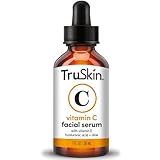
Overview: TruSkin delivers a stable, gentle Vitamin C serum designed for daily use across all skin types. Utilizing Sodium Ascorbyl Phosphate, this formulation prioritizes tolerability and longevity, making it an accessible entry point into vitamin C skincare without the irritation commonly associated with L-Ascorbic Acid.
What Makes It Stand Out: The choice of Sodium Ascorbyl Phosphate ensures consistent potency without rapid oxidation—a common issue with traditional vitamin C serums. Its dermatologist and clinically tested status adds credibility, while the inclusion of jojoba oil and aloe vera provides nourishing comfort. The brand’s commitment to USA manufacturing with globally sourced ingredients appeals to quality-conscious consumers.
Value for Money: Positioned in the mid-range category, this serum offers excellent value for those prioritizing stability and gentleness. It avoids the premium pricing of luxury brands while outperforming many budget options that use unstable vitamin C forms. The 1 oz bottle typically lasts 2-3 months with daily use.
Strengths and Weaknesses: Strengths include superior stability, gentle formulation suitable for sensitive skin, clinical testing, and clean ingredient profile. Weaknesses are the potentially lower potency compared to L-Ascorbic Acid, basic formula lacking advanced brightening agents like arbutin or tranexamic acid, and modest hydration compared to dedicated HA serums.
Bottom Line: A reliable, no-fuss vitamin C serum perfect for beginners or those with reactive skin. It won’t deliver dramatic overnight results, but provides steady, irritation-free brightening that integrates seamlessly into any routine.
3. The Ordinary Multi-Antioxidant Radiance Serum, Vitamin C Serum For Face, Brighten & Protect Skin – Boosts Glow & Shields Against Environmental Stressors, 1 Fl Oz

Overview: The Ordinary’s entry into the stabilized vitamin C market focuses on environmental protection and radiance. Combining vitamin C with ginseng, this serum targets urban dwellers concerned with pollution-induced aging while maintaining the brand’s signature affordability and ingredient transparency.
What Makes It Stand Out: The anti-pollution positioning is distinctive, addressing modern environmental stressors beyond UV damage. Its 24-hour hydration claim and dual morning/evening usability offer flexibility. The brand’s radical transparency about ingredient percentages and contraindications (avoiding niacinamide and copper peptides) demonstrates integrity, though it limits stacking options.
Value for Money: Exceptional value—among the most affordable stabilized vitamin C serums available. The price point allows experimentation without financial commitment, making it ideal for students or those new to vitamin C. However, the “you get what you pay for” adage applies; premium alternatives may offer more sophisticated delivery systems.
Strengths and Weaknesses: Strengths include unbeatable price, anti-pollution focus, clear usage guidelines, and 24-hour wearability. Weaknesses involve the inability to combine with popular ingredients like niacinamide, potentially lower active concentrations compared to premium competitors, and a less elegant texture than luxury brands.
Bottom Line: The best budget option for city residents seeking pollution defense. While not the most potent brightener, its affordability and protective focus make it a smart addition to minimalist routines. Just plan your routine carefully around its contraindications.
4. Eclat Skincare Vitamin C Serum - Skin Care for Dark Spots, Vitamin C Serum for Face with Hyaluronic Acid, Ferulic Acid, & Vit E - Anti Aging and Skin Brightening Vit C Formula for Face Care 1 Fl Oz

Overview: Eclat Skincare offers a brightening serum centered on 3-O Ethyl Ascorbic Acid, a stable vitamin C derivative known for effective penetration. With ferulic acid and vitamin E, it follows the classic antioxidant trio approach while emphasizing vegan, cruelty-free ethics and universal suitability.
What Makes It Stand Out: The brand’s commitment to ethical formulation—vegan, cruelty-free, and natural ingredient-focused—appeals to conscious consumers. The lightweight, fast-absorbing texture works for all skin types, including oily and acne-prone. The inclusion of aloe vera alongside the antioxidant trio provides soothing benefits often missing in active serums.
Value for Money: Competitively priced in the affordable-to-mid-range segment, this serum offers excellent value for ethically-minded shoppers. It delivers the core benefits of premium vitamin C serums (stability, brightening, antioxidant protection) without luxury markups, though it lacks the multi-active complexity of higher-priced alternatives.
Strengths and Weaknesses: Strengths include ethical production, stable vitamin C derivative, lightweight texture suitable for all skin types, and inclusion of soothing aloe. Weaknesses involve the brand’s limited recognition and clinical data, modest hydration compared to HA-heavy formulas, and absence of advanced brightening agents like niacinamide or alpha arbutin.
Bottom Line: An excellent choice for ethically-conscious consumers seeking a straightforward, stable vitamin C serum. It delivers reliable brightening without compromise, making it ideal for vegans and those prioritizing clean beauty over clinical prestige.
5. Mad Hippie Super A Retinol Serum for Face – Potent Skin Repair & Anti-Aging Serum with 3 Retinoids, Bakuchiol + Hydrating Hyaluronic Acid, 1.02 Oz

Overview: Mad Hippie’s advanced retinoid serum represents a sophisticated approach to anti-aging, combining three bioactive retinoids with bakuchiol for enhanced efficacy. This powerhouse treatment targets discoloration, wrinkles, and texture through multiple pathways while incorporating hydrating actives to mitigate traditional retinoid side effects.
What Makes It Stand Out: The multi-retinoid complex is genuinely innovative, offering different forms that work synergistically for comprehensive renewal. Adding bakuchiol—a plant-based retinol alternative—amplifies results while potentially reducing irritation. The inclusion of polyglutamic acid alongside hyaluronic acid provides next-level hydration, addressing the dryness typically associated with retinoid use.
Value for Money: Premium-priced but justified by its sophisticated formulation. This serum essentially combines a retinoid treatment, bakuchiol serum, and hydrating serum into one product. Compared to purchasing separate retinoid and hydrating treatments, it offers reasonable value for committed anti-aging enthusiasts.
Strengths and Weaknesses: Strengths include innovative multi-retinoid approach, hydrating buffer ingredients, clean formulation free of harsh chemicals, and dermatologist recommendation. The primary weakness is potency—the recommendation for every-other-night use indicates significant strength, making it unsuitable for retinoid beginners or those with extremely sensitive skin.
Bottom Line: Best suited for experienced retinoid users seeking accelerated results. The formula’s intelligence lies in balancing potency with hydration, but novices should start with gentler options. If your skin can tolerate it, this offers one of the most comprehensive over-the-counter anti-aging treatments available.
6. CeraVe Vitamin C Serum with Hyaluronic Acid, Skin Brightening Serum for Face with 10% Pure Vitamin C, Fragrance Free, 1 Fl. Oz

Overview: CeraVe’s Vitamin C Serum delivers a dermatologist-developed formula featuring 10% pure L-ascorbic acid combined with barrier-supporting ceramides. This fragrance-free serum targets dullness and uneven tone while maintaining skin health through its signature three-ceramide complex, making it particularly suitable for sensitive and reactive skin types seeking gentle brightening.
What Makes It Stand Out: The protective packaging is a game-changer, actively preventing oxidation that typically degrades Vitamin C serums within weeks. The inclusion of three essential ceramides (1, 3, and 6-II) sets it apart from competitors by simultaneously repairing the skin barrier while delivering antioxidants. As a drugstore brand with genuine dermatologist backing, it offers clinical credibility rarely seen at this accessible price point.
Value for Money: Positioned in the mid-range drugstore category, this 1-ounce serum justifies its cost through thoughtful formulation and stability features. While smaller than some competitors, the quality of ingredients and brand reputation make it a worthwhile investment for those prioritizing gentle efficacy over aggressive treatment protocols.
Strengths and Weaknesses: Strengths include fragrance-free formulation, ceramide enrichment, dermatologist recommendation, and oxidation-resistant packaging. Weaknesses are the modest 10% concentration (less potent than premium options), small size, and potential irritation for extremely sensitive users despite gentle marketing claims.
Bottom Line: Ideal for Vitamin C newcomers and those with compromised skin barriers, this serum offers reliable brightening without compromising skin health. It’s a smart, science-backed choice for daily antioxidant protection that integrates seamlessly into most routines.
7. Premium 20% Vitamin C Serum For Face with Hyaluronic Acid, Retinol & Amino Acids - Boost Skin Collagen,Hydrate & Plump Skin, Anti Aging & Wrinkle Facial Serum 60ml

Overview: This high-potency serum combines 20% Vitamin C with retinol and amino acids in a plant-based formulation designed for maximum anti-aging impact. The 60ml bottle provides double the standard volume, targeting collagen production, hydration, and wrinkle reduction through a multi-active approach that addresses several signs of aging simultaneously in one powerful formula.
What Makes It Stand Out: The 20% concentration delivers professional-grade potency rarely found in over-the-counter products. Its plant-based philosophy excludes synthetic additives while incorporating botanical hyaluronic acid, witch hazel, and organic jojoba oil. The inclusion of both Vitamin C and retinol creates a comprehensive anti-aging powerhouse in a single step, simplifying complex routines.
Value for Money: Despite a premium price point, the 60ml size offers exceptional value—essentially providing two bottles for the price of one high-end serum. The multi-functional formula eliminates need for separate retinol and Vitamin C products, making it cost-effective for committed users seeking streamlined, aggressive treatment.
Strengths and Weaknesses: Strengths include high Vitamin C concentration, generous size, clean ingredient philosophy, and combined retinol benefits. Weaknesses involve potential irritation from such high active levels, stability concerns mixing retinol with Vitamin C, and lack of established brand reputation. Not for beginners or sensitive skin types.
Bottom Line: Best suited for experienced skincare enthusiasts with resilient skin, this serum delivers aggressive anti-aging action. Proceed with caution, starting slowly to assess tolerance, but expect visible results with consistent, careful use over time.
8. The Ordinary Ascorbyl Glucoside Solution 12%, Vitamin C Serum for Even Skin Tone and Antioxidant Protection, 1 Fl Oz

Overview: The Ordinary offers a stable, water-soluble Vitamin C derivative in this minimalist serum. Formulated with 12% Ascorbyl Glucoside, it converts to active Vitamin C upon application, delivering brightening and antioxidant benefits with minimal irritation risk. The lightweight, water-based formula appeals to those seeking effective treatment without the instability and sensitivity issues of pure ascorbic acid.
What Makes It Stand Out: This serum exemplifies The Ordinary’s commitment to transparency and accessibility. The Ascorbyl Glucoside form provides significantly better stability than L-ascorbic acid, maintaining potency throughout its shelf life without special packaging. Its gentle nature makes it suitable for daily use, even for sensitive skin types who typically cannot tolerate pure Vitamin C, expanding accessibility.
Value for Money: Positioned at The Ordinary’s signature low price point, this represents exceptional value for money. The 1-ounce size, combined with the stable formulation that won’t oxidize quickly, ensures you can use every drop without rush, maximizing your investment over months.
Strengths and Weaknesses: Strengths include superior stability, gentle formulation, affordable price, and trustworthy brand transparency. Weaknesses involve lower potency compared to pure Vitamin C, slower visible results, and basic formula lacking additional supportive ingredients like ceramides or peptides found in competitors.
Bottom Line: Perfect for Vitamin C beginners, sensitive skin types, or budget-conscious consumers prioritizing stability over rapid results. It’s a reliable, no-fuss option that delivers gradual brightening without irritation or financial strain, making it an excellent entry point.
9. grace & stella Vitamin C Serum for Face (50ml /1.7 fl oz)- Brightening Vitamin C for Face with Hyaluronic Acid Serum To Reduce Dullness & Dark Spots - Vegan Skincare
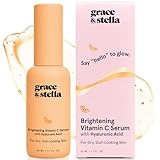
Overview: grace & stella’s Vitamin C Serum combines brightening power with intensive hydrating ingredients in a vegan, cruelty-free formula. Featuring hyaluronic acid, caffeine, and peptides, this 1.7-ounce serum targets dullness and dark spots while providing antioxidant protection. The brand’s popularity among beauty editors and celebrities suggests effective marketing, but the formula itself offers legitimate multi-tasking benefits for daily use.
What Makes It Stand Out: The dual hyaluronic acid complex provides superior hydration, while caffeine adds a unique de-puffing and energizing element rarely found in Vitamin C serums. Its vegan certification and magazine features create strong appeal for ethically-minded consumers seeking trendy, socially-validated products that align with their values.
Value for Money: The 1.7-ounce size offers generous volume at a mid-range price point. While some cost reflects marketing rather than clinical research, the multi-active formula justifies the investment for those wanting hydration, brightening, and anti-aging benefits consolidated into one convenient product.
Strengths and Weaknesses: Strengths include excellent hydration, vegan formulation, caffeine boost for circulation, and generous size. Weaknesses involve unspecified Vitamin C concentration, limited clinical backing compared to dermatologist brands, and potential over-reliance on influencer marketing over proven results.
Bottom Line: A solid choice for hydration-focused users wanting trendy, ethical skincare with brightening benefits. Better for those prioritizing moisture and de-puffing over maximum Vitamin C potency, though results may be more subtle than clinical alternatives.
10. DERMA E Vitamin C Concentrated Serum, 2 Oz, with Hyaluronic Acid, Vitamin E & Aloe, All Natural, Antioxidant-Rich Concentrated Formula, Hydrating & Brightening Vitamin C Face Serum

Overview: DERMA E’s Vitamin C Concentrated Serum delivers a clean beauty approach to brightening with a robust natural ingredient profile. This 2-ounce formula combines Vitamin C with hyaluronic acid, Vitamin E, aloe, green tea, and provitamin B5. The dermatologist-recommended, clinically tested serum targets fine lines, wrinkles, and uneven tone while maintaining strict vegan and cruelty-free standards for conscious consumers.
What Makes It Stand Out: The generous 2-ounce size dwarfs most competitors, offering exceptional longevity. Its comprehensive antioxidant cocktail extends beyond basic Vitamin C, incorporating green tea and Vitamin E for synergistic protection. The brand’s commitment to clean, GMO-free, and recyclable packaging appeals to environmentally conscious consumers seeking effective, ethical skincare without compromise.
Value for Money: Outstanding value given the double-size bottle and quality ingredients. While priced slightly above drugstore brands, the volume and clean formulation justify the cost for those prioritizing natural, sustainable beauty without sacrificing efficacy or requiring frequent repurchases.
Strengths and Weaknesses: Strengths include large size, clean ingredient philosophy, multiple antioxidants, dermatologist recommendation, and environmental responsibility. Weaknesses may include potentially slower absorption due to richer natural formula and less potent Vitamin C form compared to pure ascorbic acid serums, requiring longer use for visible results.
Bottom Line: An excellent clean beauty option that doesn’t compromise on results. Perfect for natural skincare enthusiasts wanting maximum product volume and ethical production with proven brightening and hydrating benefits over consistent use.
Why Vitamin C Is the Gold Standard for Brightening
Vitamin C isn’t just another trend; it’s one of the most researched-backed ingredients in dermatology. Its primary superpower lies in its role as a potent antioxidant that neutralizes free radicals—unstable molecules generated by UV exposure, pollution, and stress that accelerate aging and dullness. But the benefits don’t stop there. Vitamin C actively inhibits tyrosinase, the enzyme responsible for melanin production, which means it tackles existing hyperpigmentation while preventing new dark spots from forming. It also stimulates collagen synthesis, improving skin texture and firmness over time. This triple-threat action—protection, correction, and prevention—is what makes it indispensable for anyone seeking a brighter, more even-toned complexion.
The Science Behind the Glow
The magic happens at the cellular level. When applied topically, vitamin C penetrates the epidermis and accumulates in the skin, where it remains active for up to 72 hours. It works synergistically with your skin’s natural regeneration process, accelerating turnover of damaged cells and promoting the formation of healthy new ones. The result? A visible reduction in post-inflammatory hyperpigmentation, sun spots, and melasma, plus an overall luminosity that no highlighter can replicate. However, this efficacy is highly dependent on the formulation’s ability to deliver vitamin C in its most bioavailable form—something we’ll unpack throughout this guide.
Understanding Different Forms of Vitamin C
When you scan ingredient lists, you’ll notice vitamin C goes by many names. Each derivative offers a unique trade-off between potency, stability, and skin tolerance. Understanding these differences is crucial for matching a serum to your specific needs.
L-Ascorbic Acid: The Potent Powerhouse
L-ascorbic acid is the purest, most biologically active form of vitamin C. It delivers the fastest, most dramatic results but comes with caveats. This ingredient is notoriously unstable, degrading quickly when exposed to light, air, and heat. It also requires a low pH (below 3.5) to penetrate the skin effectively, which can trigger irritation, especially for sensitive skin types. If you’re after maximum brightening power and have resilient skin, L-ascorbic acid is your go-to—but only if the formulation is expertly crafted with stabilizers and proper packaging.
Vitamin C Derivatives: Gentler Alternatives
For those who experience redness or stinging, derivatives like sodium ascorbyl phosphate, magnesium ascorbyl phosphate, and tetrahexyldecyl ascorbate offer a gentler entry point. These forms are more stable and less pH-dependent, meaning they’re less likely to cause irritation. While they convert to L-ascorbic acid within the skin, this conversion process makes them slower acting but far more tolerable for daily use. Tetrahexyldecyl ascorbate, an oil-soluble derivative, is particularly noteworthy for its ability to penetrate deeper into the lipid layers of the skin, making it excellent for targeting stubborn pigmentation.
Decoding Concentration Levels: More Isn’t Always Better
The percentage of vitamin C on the label isn’t a straightforward measure of effectiveness. A higher number doesn’t guarantee better results—and can sometimes backfire spectacularly.
The Sweet Spot for Most Skin Types
Research shows that concentrations between 10% and 20% L-ascorbic acid hit the ideal balance of efficacy and tolerability. At 10%, you’ll still see significant brightening and antioxidant protection with minimal risk of irritation. This range works beautifully for most skin types, including those new to vitamin C. Derivative forms are often formulated at slightly higher percentages (15-20%) since they’re less potent in their original state.
When to Go Higher or Lower
Concentrations above 20% don’t necessarily increase benefits but do dramatically raise the risk of sensitivity, especially for melanin-rich skin prone to post-inflammatory hyperpigmentation. Anything below 8% may be too gentle to deliver noticeable brightening, though it can still offer antioxidant support. If you have extremely sensitive skin, rosacea, or eczema, start with a 5-8% derivative-based formula and gradually work your way up as your skin builds tolerance.
Key Supporting Ingredients That Enhance Vitamin C
A vitamin C serum doesn’t work in isolation. The most effective formulations include a supporting cast of ingredients that amplify its benefits and address potential shortcomings.
Vitamin E and Ferulic Acid: The Dynamic Trio
This combination is backed by groundbreaking research showing that vitamin E (tocopherol) and ferulic acid stabilize L-ascorbic acid while doubling its photoprotection capabilities. Vitamin E is a fat-soluble antioxidant that regenerates vitamin C after it neutralizes free radicals, creating a recycling effect. Ferulic acid, a plant-based antioxidant, further boosts this synergy and helps maintain the serum’s stability. Together, they create a comprehensive shield against oxidative stress while enhancing brightening results.
Hyaluronic Acid for Hydration
Pure vitamin C can be drying, which is why hyaluronic acid is a game-changing addition. This humectant draws moisture into the skin, plumping fine lines and preventing the tightness some users experience. It also improves the serum’s texture, making it glide on smoothly without feeling sticky. For dehydrated skin, this pairing ensures you get the brightening benefits without compromising your moisture barrier.
Niacinamide: Friend or Foe?
The myth that vitamin C and niacinamide cancel each other out has been thoroughly debunked. In fact, they’re a powerful duo for brightening and barrier repair—when formulated correctly. The concern arose from outdated studies using unstable forms of both ingredients. Modern formulations use stabilized versions that play nicely together, targeting hyperpigmentation through different pathways. Look for serums that explicitly state they contain both, as this indicates the brand has done the compatibility homework.
pH Matters: The Chemistry of Effective Absorption
The pH level of your vitamin C serum determines whether it can actually penetrate your skin or simply sit on the surface. This is especially critical for L-ascorbic acid formulations.
Ideal pH Ranges for Different Vitamin C Forms
For L-ascorbic acid to remain stable and absorb effectively, the pH must be between 2.0 and 3.5. Anything higher reduces penetration; anything lower increases irritation risk. Derivatives like sodium ascorbyl phosphate work best at a skin-friendly pH of 5.0 to 7.0, making them ideal for sensitive individuals. Reputable brands often disclose pH levels—if they don’t, that’s a red flag. You can also test at home with pH strips, though this won’t account for the serum’s overall formulation quality.
Packaging: Your Serum’s First Line of Defense
Vitamin C is a diva when it comes to storage. Exposure to light and air triggers oxidation, turning your golden serum brown and rendering it ineffective—or worse, pro-oxidant.
Why Airless Pumps and Dark Bottles Matter
Opt for opaque, airless pump bottles that minimize oxygen exposure with each use. Dropper bottles, while popular, introduce air every time you open them, accelerating degradation. Amber or cobalt glass offers some protection, but if the product comes in clear packaging, pass. Some cutting-edge brands now use dual-chamber packaging that mixes vitamin C with other actives at the time of dispensing, ensuring maximum freshness.
Texture and Consistency: Finding Your Perfect Match
The vehicle that delivers vitamin C impacts both its stability and your likelihood of using it consistently.
Water-Based vs. Oil-Based Formulations
Water-based serums are lightweight, fast-absorbing, and ideal for oily or acne-prone skin. They’re also the traditional choice for L-ascorbic acid. Oil-based or emollient serums, often featuring tetrahexyldecyl ascorbate, provide an occlusive layer that locks in moisture—perfect for dry or mature skin. Silicone-based textures can feel luxurious but may pill under makeup, so consider your full routine when choosing.
Skin Type Considerations
A serum that works wonders for your best friend might wreak havoc on your skin. Here’s how to tailor your choice.
Oily and Acne-Prone Skin
Look for lightweight, water-based formulas with sodium ascorbyl phosphate. This derivative has the added benefit of being antimicrobial, helping to reduce acne-causing bacteria. Avoid heavy oils that can clog pores, and pair with salicylic acid in your routine for enhanced clarity.
Dry and Sensitive Skin
Gentle is the name of the game. Magnesium ascorbyl phosphate or tetrahexyldecyl ascorbate in a hydrating base with hyaluronic acid and ceramides will brighten without stripping. Always layer under a rich moisturizer to seal in benefits and support barrier function.
Combination Skin
You have the flexibility to experiment. A 15% L-ascorbic acid serum with vitamin E and ferulic acid works well, applied strategically to areas needing brightening. Alternatively, a derivative-based serum provides balanced results across both oily and dry zones.
The Stability Factor: Why Freshness Equals Efficacy
An unstable vitamin C serum is like a flat soda—disappointing and ineffective. Stability determines whether you’re getting a potent treatment or an expensive bottle of oxidative stress.
Signs Your Serum Has Oxidized
Fresh vitamin C serum should be clear to pale yellow. As it degrades, it darkens to orange, then brown—a visual cue that it’s lost its power. A metallic smell is another telltale sign. If your serum oxidizes within a month, the formulation was likely unstable to begin with. Quality serums should remain effective for three to six months after opening when stored properly.
Application Techniques for Maximum Results
How you use your serum is just as important as which one you choose. Proper application ensures optimal penetration and minimizes waste.
Morning vs. Night: Timing Your Vitamin C
Morning application is ideal for leveraging vitamin C’s antioxidant properties, providing a protective shield against daily environmental damage. Apply to clean, dry skin before sunscreen for a synergistic defense. Nighttime use is also beneficial, as skin enters repair mode, but you’ll miss out on daytime protection. For maximum impact, some experts recommend using it twice daily—morning for defense, evening for repair—if your skin tolerates it.
Layering Order in Your Skincare Routine
The golden rule: apply vitamin C to clean, dry skin as the first step after cleansing. Wait 30-60 seconds for full absorption before applying subsequent products. Follow with hydrating serums (hyaluronic acid), then moisturizers, and always finish with SPF 30+ in the morning. Avoid applying immediately after strong acids or retinoids, which can destabilize vitamin C and increase irritation.
Common Mistakes That Reduce Effectiveness
Even the best serum can underperform if used incorrectly. Sidestep these pitfalls to get your money’s worth.
Overuse and Irritation
More product doesn’t equal faster results. Using too much serum overwhelms the skin’s capacity to absorb it, leading to wasted product and potential irritation. Two to three drops are sufficient for the entire face. If you experience stinging that lasts more than a minute, scale back frequency to every other day.
Incompatible Ingredient Pairings
While vitamin C plays well with most ingredients, certain combinations require caution. Avoid using it simultaneously with benzoyl peroxide, which oxidizes vitamin C on contact. Strong AHAs/BHAs can lower skin pH too much when layered immediately after, causing sensitivity. Instead, alternate these actives—vitamin C in the morning, acids or retinoids at night.
Price vs. Value: What You’re Really Paying For
A $150 serum isn’t inherently better than a $30 one, but price often reflects specific formulation investments.
Decoding Luxury vs. Drugstore Options
Luxury serums typically invest in advanced stabilization technology, proprietary delivery systems, and elegant textures that enhance the experience. They may also use higher-purity ingredients and undergo more rigorous testing. Drugstore options have caught up significantly, offering effective, science-backed formulas at accessible prices. The key is to scrutinize the ingredient list and packaging rather than the price tag. A mid-range serum with L-ascorbic acid, vitamin E, ferulic acid, and airless packaging often delivers the best value.
2024 Trends in Vitamin C Serum Formulations
This year’s innovations are addressing vitamin C’s biggest challenges: stability and irritation.
Microencapsulation Technology
Brands are now encapsulating vitamin C molecules in microscopic shells that dissolve upon skin contact. This protects the ingredient from degradation in the bottle and controls its release on the skin, reducing irritation while maximizing penetration. Look for terms like “encapsulated” or “time-release” on labels.
Sustainable and Clean Beauty Standards
Eco-conscious consumers are driving demand for vitamin C derived from sustainable sources, packaged in refillable containers, and formulated without unnecessary fillers. Clean beauty standards now also ensure stability through natural antioxidants like glutathione and superoxide dismutase, rather than synthetic preservatives.
Storage and Shelf Life: Protecting Your Investment
Your serum’s journey doesn’t end at purchase. How you store it determines its lifespan.
Refrigeration: Yes or No?
Storing your vitamin C serum in the refrigerator can extend its stability, especially in warm climates. The cool temperature slows oxidation and provides a refreshing application experience. However, avoid freezing, as this can destabilize emulsions. If refrigeration isn’t practical, store in a cool, dark drawer away from humidity.
How to Patch Test and Introduce Vitamin C Safely
Jumping straight into daily use is a recipe for disaster. A strategic introduction builds tolerance and reveals potential reactions before they become full-blown issues.
The Gradual Integration Method
Apply a small amount to your inner forearm for three consecutive days. If no reaction occurs, move to a discreet facial area like behind your ear. When ready for full-face application, start every other morning for two weeks, then increase to daily as tolerated. This method allows your skin’s vitamin C receptors to upregulate, reducing the likelihood of the infamous “purging” phase.
Frequently Asked Questions
1. How long does it take to see brightening results from a vitamin C serum?
Most users notice an immediate glow due to the antioxidant effect, but significant fading of dark spots typically requires 8-12 weeks of consistent use. Collagen-building benefits become visible after 3-6 months. Patience and daily sunscreen use are non-negotiable for optimal results.
2. Can I use vitamin C serum if I have rosacea or eczema?
Yes, but choose wisely. Opt for magnesium ascorbyl phosphate or tetrahexyldecyl ascorbate in a soothing, fragrance-free base. Start with a 5% concentration and patch test extensively. Avoid L-ascorbic acid until your barrier is fully healed, as its low pH can trigger flare-ups.
3. Why did my vitamin C serum turn orange? Is it still safe to use?
The orange color indicates oxidation. While not harmful, the serum has lost its antioxidant power and may even generate free radicals. Discard it immediately. To prevent this, choose airless packaging and store properly. A quality serum should stay clear for at least 2-3 months.
4. Should I apply vitamin C serum before or after hyaluronic acid?
Always apply vitamin C first to clean, dry skin. Follow with hyaluronic acid while your skin is still slightly damp from the vitamin C serum (or a light mist). This layering ensures vitamin C penetrates optimally while hyaluronic acid locks in hydration.
5. Can I use vitamin C serum during pregnancy or breastfeeding?
Vitamin C is generally considered safe during pregnancy and breastfeeding. In fact, it’s an excellent alternative to retinoids for addressing melasma (the “mask of pregnancy”). Stick to gentle derivatives and avoid formulas with unnecessary actives like hydroquinone.
6. What’s the difference between a vitamin C serum and a vitamin C cream?
Serums contain smaller molecules and higher concentrations of actives, designed to penetrate deeply. Creams are more occlusive, focusing on surface-level hydration and barrier support. For brightening, serums are far more effective. Use a cream as a follow-up moisturizer if needed.
7. How do I know if my skin is purging from vitamin C or just breaking out?
Vitamin C purging is rare but can happen as increased cell turnover brings congestion to the surface. Purging appears in areas where you typically breakout and resolves within 2-3 weeks. New breakouts in unusual areas lasting longer likely indicate incompatibility—discontinue use and reassess your formula.
8. Is it worth buying a vitamin C powder to mix fresh daily?
While powders offer ultimate freshness, they’re tricky to dose accurately and may not dissolve completely, leading to uneven application and potential irritation. Pre-formulated serums with advanced stabilization are more reliable for consistent results. Powders are best reserved for experienced users who enjoy DIY skincare.
9. Can I use expired vitamin C serum on my body instead of face?
Don’t. An expired, oxidized serum offers no benefits and may cause irritation anywhere on the skin. The face and body deserve fresh, effective ingredients. Repurpose the bottle for travel or discard it responsibly.
10. Why does my vitamin C serum smell like hot dog water?
That metallic, sulfuric scent is a byproduct of oxidation. It indicates your serum has degraded and is no longer effective. High-quality, fresh vitamin C should have little to no scent. If you notice this smell upon opening a new bottle, return it—the product was likely unstable before purchase.
See Also
- 10 Best Vitamin C Face Serums for Radiant Glow This Year
- Top 10 Best Luxury Vitamin C Face Serums for Brightening in 2026
- 10 Best High-End Hyaluronic Acid Face Serums for Deep Hydration This Year
- 10 Best Vitamin C Face Serums for Bright Luxury Glow in 2026
- Stop Hyperpigmentation with the 10 Best Brightening Face Serums This Year