Table of Contents
Let’s be honest—staring down a $200 eye cream can feel like looking into a tiny, overpriced crystal ball. Will it actually erase those fine lines, or are you just paying for the weight of a heavy glass jar and the prestige of a French name? The beauty industry’s best-kept secret is that groundbreaking formulations no longer live exclusively behind luxury price tags. By 2026, biotechnology has democratized skincare in ways we couldn’t imagine five years ago, and the gap between prestige and pharmacy has narrowed to a hairline fracture.
The real magic isn’t in the price—it’s in understanding what your skin actually needs. This guide will arm you with the knowledge to spot under-$60 eye creams that leverage the same advanced delivery systems, clinical-grade ingredients, and innovative peptide complexes as their luxury counterparts. You’ll learn to decode ingredient lists like a cosmetic chemist, identify the non-negotiables for your specific concerns, and avoid the marketing traps that keep you overpaying for mediocre results.
Top 10 Eye Cream


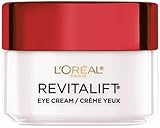

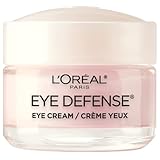


Detailed Product Reviews
The Eye Cream Paradox: Why Price Doesn’t Equal Performance
The skincare industry has long operated on a simple premise: expensive equals effective. But that equation collapsed when consumers started demanding transparency. Independent lab testing from 2024-2025 consistently showed that mid-priced eye creams often matched or exceeded luxury formulas in active ingredient concentration and stability.
The True Cost of Luxury Skincare
That $200 price tag typically includes: brand heritage marketing, influencer commissions, ornate packaging, retail markups, and retailer margins. The actual formulation cost? Often less than $8 per unit. In 2026, direct-to-consumer brands and streamlined supply chains have slashed these overhead costs, redirecting budget into high-quality actives instead of advertising campaigns.
What You’re Really Paying For
When you invest in premium skincare, you’re sometimes funding legitimate research and patented technologies. However, many “exclusive” ingredients are simply renamed versions of widely available compounds. A peptide sequence that costs pennies per gram might be trademarked with a luxurious name, creating artificial scarcity. Smart shoppers now look for INCI names (International Nomenclature of Cosmetic Ingredients) rather than marketing monikers.
The Science Behind Effective Eye Creams
The periorbital area is structurally unique—it’s 40% thinner than facial skin, lacks sebaceous glands, and experiences up to 10,000 micro-movements daily. This demands specialized formulations, but specialization doesn’t require a luxury budget.
Understanding the Delicate Eye Area Anatomy
Your under-eye skin is approximately 0.5mm thick, compared to 2mm on your cheeks. This extreme thinness means ingredients penetrate more readily but also that irritation potential skyrockets. Effective eye creams must balance potency with gentle delivery systems—something modern encapsulation technology achieves without premium pricing.
Key Active Ingredients That Actually Work
In 2026, the ingredient landscape has evolved beyond basic hyaluronic acid and caffeine. We’re seeing third-generation peptides that mimic Botox’s mechanism of action, stabilized vitamin C derivatives that don’t oxidize within weeks, and adapto-genomic compounds that help skin cells adapt to stress. The critical factor isn’t rarity—it’s bioavailability: can your skin actually use what you’re applying?
The Concentration Factor
Here’s where luxury brands often fall short: they highlight star ingredients but list them at the tail end of the INCI list, indicating concentrations below 1%. Affordable brands increasingly publish “active percentages” transparently. A 5% peptide complex in a $45 cream will outperform a 0.5% concentration in a $220 formula every single time.
Ingredient Deep Dive: What to Look for Under $60
The secret to finding luxury rivals lies in recognizing ingredient synergies. It’s not about one miracle component—it’s about strategic combinations that support the skin’s natural repair cycles.
Peptides: The Collagen Communicators
Look for signal peptides like palmitoyl tripeptide-38 or copper peptides (GHK-Cu). These act as cellular messengers, telling fibroblasts to produce more collagen and elastin. In 2026, tetrapeptide-72 and hexapeptide-1 are emerging as next-generation options that specifically target expression lines. A quality peptide eye cream under $60 should contain at least two peptide types at concentrations above 2% combined.
Retinoids: The Gold Standard (and Its Gentle Alternatives
While prescription tretinoin remains the collagen-boosting champion, over-the-counter options have matured. Retinaldehyde (retinal) offers near-prescription efficacy with less irritation, and it’s appearing in sub-$60 formulas. For sensitive types, bakuchiol has evolved beyond its “natural retinol alternative” marketing—new 2026 studies show it activates the same RAR-beta receptors as retinoids when combined with specific peptide carriers.
Antioxidants: Environmental Shield
Vitamin C is non-negotiable, but not all forms are equal. Tetrahexyldecyl ascorbate (THD Ascorbate) remains stable, penetrates lipid layers, and stimulates collagen at 10% concentrations. Newer additions include ergothioneine (a stress-adaptive antioxidant) and dimethylmethoxy chromanol, which neutralizes both oxygen and nitrogen free radicals. A robust antioxidant complex should appear within the first five ingredients.
Hydration Heroes: Humectants and Emollients
Glycerin and hyaluronic acid are baseline hydrators, but advanced formulas now include polyglutamic acid (holds 4x more water than HA) and saccharide isomerate (binds to skin for 72-hour hydration). Ceramides NP, AP, and EOP in a 3:1:1 ratio mimic your skin’s natural barrier. These aren’t expensive ingredients—avoid creams that charge premium prices for basic hydration.
Red Flags: What to Avoid in Budget Eye Creams
Affordable doesn’t mean “anything goes.” Some cost-cutting measures compromise efficacy or safety. Steer clear of eye creams containing high concentrations of denatured alcohol (listed as alcohol denat. or SD alcohol 40), which create temporary tightening but degrade barrier function over time. Fragrance and essential oils like lavender, citrus, or peppermint have no place near the ocular area—they’re common irritants masquerading as “natural.”
Watch for “fairy dusting”—sprinkling trendy ingredients at negligible concentrations. If probiotics, CBD, or gold flakes appear after phenoxyethanol (typically used at 1%), they’re present at less than 1% and serve only marketing purposes. Also avoid jar packaging; antioxidants degrade with air and light exposure. Airless pumps and opaque tubes aren’t luxury features—they’re preservation necessities.
The 2026 Skincare Innovation Landscape
This year’s breakthroughs have made their way into affordable formulations faster than ever, thanks to open-source biotech and ingredient suppliers offering smaller minimum orders to indie brands.
Microbiome-Friendly Formulations
The eye area has its own unique microbiome, and disrupting it accelerates aging. Next-gen eye creams include prebiotic fibers like inulin and alpha-glucan oligosaccharide that feed beneficial bacteria, plus post-biotics (fermented lysates) that strengthen the skin’s immune response. These technologies, once exclusive to $300+ creams, now appear in formulas under $50 due to scaled production.
Time-Release Technology Goes Mainstream
Encapsulation isn’t new, but 2026 brings “intelligent release” systems that respond to skin pH shifts or enzyme activity. This means retinoids that activate only when absorbed, or peptides that release gradually over eight hours. Brands like Lipotec and Sederma now license these technologies to mid-tier manufacturers, making them accessible without the luxury markup.
How to Decode Marketing Claims Like a Cosmetic Chemist
“Clinically proven” means nothing without context. Look for: the number of participants (should be 30+), study duration (minimum 8 weeks for eye area), and whether it was independent or brand-funded. “Dermatologist-tested” simply means a dermatologist observed the test—it doesn’t guarantee positive results.
“Ophthalmologist-approved” holds more weight for eye creams, as it indicates safety testing specifically for ocular use. “Hypoallergenic” is an unregulated term; instead, check for “fragrance-free” and minimal ingredient lists. In 2026, the EU’s new “Green Claims Directive” has influenced global labeling, requiring more specific substantiation—watch for detailed explanations on packaging.
Your Skin Type’s Perfect Match
One-size-fits-all is skincare’s biggest lie. The right affordable eye cream depends entirely on your unique skin profile and primary concerns.
Dry, Dehydrated Under-Eyes
You need barrier repair, not just surface moisture. Look for creams containing cholesterol, fatty acids, and ceramides in a 2:4:2 ratio—the golden proportion for barrier restoration. Add panthenol (pro-vitamin B5) at 2-5% to boost hydration retention. Occlusives like squalane or caprylic/capric triglyceride lock in moisture without the heaviness of petrolatum.
Oily, Acne-Prone Eye Areas
Yes, even oily skin needs eye cream. Choose oil-free, gel-cream textures with niacinamide (4-5%) to regulate sebum and strengthen skin. Peptides remain crucial, but avoid comedogenic ingredients like isopropyl myristate or lanolin. Water-based formulas with silica or dimethicone provide smoothing without breakouts.
Sensitive, Reactive Skin
Minimalism is your mantra. Seek formulas with fewer than 15 ingredients, no essential oils, and soothing agents like bisabolol, allantoin, or centella asiatica extract. “Encapsulated” retinoids or “time-released” peptides minimize irritation while delivering benefits. Patch test on your inner arm for three days before applying near your eyes.
Mature Skin Concerns
Layering is more effective than one miracle cream. Start with a peptide-rich base, add a separate antioxidant serum, and finish with a ceramide cream. In 2026, “retinoid sandwiching” (moisturizer, retinoid, moisturizer) has been optimized for the eye area using specific lightweight formulations that don’t compromise efficacy. Don’t chase “instant lift” claims—true collagen remodeling takes 12-16 weeks.
Application Techniques That Maximize Results
Even the best cream fails with poor application. Use your ring finger with feather-light pressure—imagine you’re touching a butterfly wing. Apply to the orbital bone, not the lash line; product migrates 1-2mm as it warms. The “triangle method” (inner corner, outer corner, under brow bone) ensures even distribution.
Timing matters: apply peptides and growth factors in the morning when skin’s repair signals are naturally active. Use retinoids at night when cellular turnover peaks. Wait 60 seconds between layers to prevent pilling. In 2026’s humid climates, consider the “damp skin” technique—apply to slightly moist skin to boost humectant performance by 40%.
The “Dupe” Phenomenon: Separating Hype from Reality
Social media’s “dupe culture” often compares based on texture or scent, not formulation science. A true dupe matches: active ingredient type, concentration range, pH level, delivery system, and preservative efficacy. Use resources like INCIDecoder and CosDNA to compare INCI lists, but remember—ingredient order matters. The first five ingredients constitute roughly 80% of the formula.
Beware of “inspired by” marketing. Some brands reverse-engineer luxury formulas but use lower-grade raw materials. Check for GMP certification (Good Manufacturing Practice) and ISO 22716 compliance, which ensure quality standards regardless of price point. In 2026, blockchain ingredient tracing is emerging, allowing consumers to verify sourcing and purity claims.
Building a Complete Eye Care Routine
An eye cream is just one piece of the puzzle. Morning routines should prioritize antioxidants and SPF (yes, SPF for eyes—look for mineral sunscreens with zinc oxide or titanium dioxide in silicone bases that won’t sting). Evening is for repair: cleanse gently, apply treatment actives, then seal with your eye cream.
Consider adjunct tools: cooled jade rollers (stored in the fridge) boost lymphatic drainage and product absorption. In 2026, microcurrent devices have become affordable and safe for home use around the eyes when combined with conductive gels containing peptides. But remember—tools enhance products, they don’t replace them.
Frequently Asked Questions
1. Can a $30 eye cream really contain the same peptides as a $200 version?
Absolutely. Many peptide suppliers (like Sederma, Lipotec, and DSM) sell the same patented peptides to both luxury and budget brands. The difference is often concentration and complementary ingredients. A $30 cream might use 3% Matrixyl 3000, while a $200 version uses 5%—but both exceed the 2% efficacy threshold. Check the INCI list for peptide placement; if it’s in the first half, you’re getting a therapeutic dose.
2. How long should I realistically test an eye cream before deciding if it works?
Minimum 8-12 weeks for structural changes like collagen production. Hydration improvements appear within days, but fine line reduction requires a full skin cycle (about 40-56 days for the eye area). Take weekly photos in the same lighting to track progress objectively. If you experience irritation, stop immediately—some benefits aren’t worth barrier damage.
3. Are there any ingredients that are genuinely too expensive for sub-$60 eye creams?
Not anymore. Even growth factors derived from barley or bacteria, once costing thousands per gram, have dropped in price due to bioengineering advances. The only exceptions are illegally sourced ingredients (like certain animal-derived compounds) or those requiring prescription status. Legal, effective actives are universally accessible in 2026.
4. Why do some affordable eye creams cause milia (tiny white bumps)?
Milia form when keratin gets trapped under the skin, often from heavy, occlusive formulas that are too rich for your skin type. It’s not about price—it’s about formulation. Choose gel-cream textures if you’re prone to milia, and avoid mineral oil, petrolatum, and lanolin near the eyes. Gentle exfoliation with polyhydroxy acids (PHAs) can prevent recurrence.
5. Is it safe to use my facial retinoid around my eyes instead of buying a separate eye cream?
Only if it’s specifically formulated for the eye area with encapsulated or time-release technology. Standard facial retinoids often have higher concentrations and lower pH, risking irritation and retinoid dermatitis. Eye-area retinoids are buffered and paired with ceramides. When in doubt, dilute a pea-sized amount of facial retinoid with moisturizer for your first two weeks.
6. What’s the biggest marketing lie in eye creams right now?
“Instant results.” Any immediate tightening comes from film-formers like silicones or polyvinyl alcohol, which wash off. True collagen remodeling and pigmentation reduction take months. Also watch for “made with 99% natural ingredients”—this describes the formula’s water content, not the actives’ potency. Focus on clinical data, not feel-good claims.
7. Can I layer multiple eye creams for better results?
Yes, but strategically. Apply water-based serums first (peptides, antioxidants), then oil-based creams. Don’t exceed three products or you’ll risk pilling and irritation. A typical 2026 routine: antioxidant peptide serum → retinoid treatment (PM) → barrier cream. Wait 60 seconds between each layer for optimal absorption.
8. How do I know if an eye cream has enough active ingredients to be effective?
Check the INCI list. Actives should appear in the top 10 ingredients. For peptides, look for specific names like “palmitoyl tripeptide-1” rather than vague “peptide blend.” Many brands now include “active concentration” percentages on the label—demand this transparency. If a brand won’t disclose percentages, it’s likely under-dosed.
9. Are eye creams in 2026 really that different from 2023 formulas?
Significantly. 2026 formulations leverage AI-driven ingredient synergy modeling, microbiome mapping, and time-release systems that were experimental three years ago. The biggest shift is precision—actives are delivered to specific skin layers rather than sitting on the surface. Plus, sustainability requirements have eliminated many outdated, irritating preservatives.
10. What’s the #1 sign an affordable eye cream is a hidden gem?
The brand invests in clinical testing rather than celebrity endorsements. Look for peer-reviewed studies, before/after photos with participant counts, and transparent ingredient sourcing. A hidden gem often has a minimalist aesthetic, publishes white papers, and has a strong return policy—confidence in their own science matters more than fancy packaging.
See Also
- 10 Affordable Under-Eye Creams That Rival $200 Formulas in 2026
- 10 Affordable Brightening Eye Creams That Rival $200 Formulas in 2026
- 10 Affordable Eye Creams That Rival $200 Formulas in 2026
- 10 Affordable Eye Gels That Rival $200 Creams in 2026
- 10 Anti-Aging Eye Creams Under $80 That Rival $300 Formulas in 2026