Table of Contents
The skincare landscape in 2026 has officially flipped the script on luxury beauty. Gone are the days when effective exfoliation demanded triple-digit price tags and exclusive department store counters. Today’s affordable exfoliating serums are formulated with pharmaceutical-grade precision, backed by clinical studies, and bottled in packaging so sophisticated you’d never guess they cost less than your weekly coffee habit. The democratization of chemical exfoliants isn’t just a trend—it’s a full-blown revolution driven by transparent ingredient sourcing, streamlined supply chains, and consumer demand for results without the markup.
What makes this moment particularly exciting is the convergence of biotechnology and accessibility. Independent labs now produce stabilized acids at scale, while AI-driven formulation tools help smaller brands optimize pH levels and penetration rates that once required million-dollar R&D budgets. The result? Exfoliating serums that deliver cellular turnover, hyperpigmentation fading, and texture refinement comparable to their $200+ counterparts. But navigating this crowded market requires more than just grabbing the cheapest bottle on the shelf. Understanding the science, spotting quality markers, and matching formulations to your skin’s unique needs separates transformative results from disappointing irritation.
Top 10 Exfoliating Serums
Detailed Product Reviews
1. The Ordinary AHA 30% + BHA 2% Peeling Solution, Advanced Exfoliating Peel for Brighter Skin, 1 Fl Oz
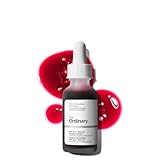
Overview: The Ordinary’s AHA 30% + BHA 2% Peeling Solution is a powerhouse chemical peel delivering professional-grade exfoliation at home. This intensive treatment combines glycolic, lactic, and salicylic acids in a striking blood-red serum designed for weekly use. Marketed toward experienced acid users, it promises dramatic improvements in texture, clarity, and brightness with just 10 minutes of application. The formula includes hyaluronic acid and pro-vitamin B5 to mitigate irritation, though its potency demands respect and careful adherence to instructions.
What Makes It Stand Out: This peel’s 32% total acid concentration is exceptionally high for an over-the-counter product, rivaling professional treatments. The distinctive red hue from black carrot extract creates a visual cue that prevents overuse. Its dual-action AHA/BHA approach tackles both surface dullness and deep pore congestion simultaneously. The sub-$10 price point democratizes access to serious chemical exfoliation that typically costs $50+ from competitors.
Value for Money: Unbeatable. One bottle provides 20-30 treatments, making each session cost less than a cup of coffee. Comparable peels from brands like Drunk Elephant or Paula’s Choice cost 3-5x more. The results—smoother texture, reduced hyperpigmentation, clearer pores—match professional facials.
Strengths and Weaknesses: Strengths: Extremely effective, fast results, affordable, clear usage guidelines. Weaknesses: High irritation risk, not for beginners, requires sunscreen vigilance, temporary redness common, contraindicated during pregnancy.
Bottom Line: A stellar performer for acid-experienced users seeking dramatic results on a budget. Beginners should start with milder options. Follow instructions religiously for safe, transformative exfoliation.
2. The Ordinary Lactic Acid 5% + Hyaluronic Acid 2%, Gentle Exfoliating Serum for Smoother Skin, 1 Fl Oz

Overview: The Ordinary Lactic Acid 5% + Hyaluronic Acid 2% serves as the gateway serum for chemical exfoliation novices. This water-based formula delivers gentle resurfacing through lactic acid, the mildest AHA, making it ideal for sensitive, dry, or reactive skin types. The addition of hyaluronic acid ensures hydration isn’t stripped during exfoliation. Enhanced with Tasmanian Pepperberry to reduce inflammation, it offers daily smoothing without the harsh side effects associated with stronger acids, establishing itself as a foundational product in any beginner’s routine.
What Makes It Stand Out: Its beginner-friendly 5% concentration provides noticeable results without overwhelming the skin. The inclusion of anti-irritant Tasmanian Pepperberry is thoughtful, addressing sensitivity proactively. The formula maintains The Ordinary’s signature minimalist approach—few ingredients, maximum efficacy—while prioritizing skin barrier health. The pH-balanced water base absorbs quickly without residue.
Value for Money: Exceptional. At under $10, it outperforms department store lactic acid serums costing $30-60. A single bottle lasts 3-4 months with nightly use, delivering consistent gentle exfoliation for pennies per application. It’s an affordable way to test acid tolerance before upgrading.
Strengths and Weaknesses: Strengths: Very gentle, hydrating, suitable for sensitive skin, affordable, minimal irritation. Weaknesses: Slower visible results, not potent enough for severe texture issues, requires consistent use, may be too mild for oily skin types.
Bottom Line: Perfect for beginners or those with sensitive skin seeking gentle, consistent exfoliation. It’s a safe, effective entry point into chemical acids that prioritizes skin health over dramatic overnight results.
3. The Ordinary Lactic Acid 10% + Hyaluronic Acid 2%, High-Strength Exfoliating Serum for Smoother, Brighter Skin, 1 Fl Oz

Overview: The Ordinary Lactic Acid 10% + Hyaluronic Acid 2% represents the next step up for those who’ve outgrown gentler exfoliants. This high-strength serum doubles the lactic acid concentration while maintaining the hydrating and soothing base that makes the 5% version beloved. Designed for nightly use, it targets more stubborn texture issues, uneven tone, and dullness with increased potency. The formula retains hyaluronic acid for moisture and Tasmanian Pepperberry for irritation control, though users should expect a stronger tingling sensation and more pronounced results.
What Makes It Stand Out: It bridges the gap between beginner and advanced acids without a prohibitive price increase. The 10% concentration is strong enough to tackle moderate hyperpigmentation and stubborn roughness, yet still gentler than glycolic acid alternatives. The formula’s consistency across concentrations allows users to graduate within the same product line seamlessly. It delivers professional-strength results while remaining accessible.
Value for Money: Outstanding. The price difference from the 5% version is negligible (typically $1-2), making it a no-brainer upgrade for those ready for more intensity. Comparable 10% lactic serums from premium brands exceed $40. You’re getting high-strength exfoliation for less than the cost of a latte.
Strengths and Weaknesses: Strengths: Significantly more effective than 5%, still relatively gentle, hydrating base, excellent value. Weaknesses: May cause irritation for sensitive skin, not for acid newbies, requires sunscreen diligence, tingling sensation can be intense initially.
Bottom Line: An ideal progression product for those who’ve built tolerance. It delivers markedly better results than its milder sibling while maintaining The Ordinary’s unbeatable value proposition.
4. Mad Hippie AHA Exfoliating Peel – Lactic & Glycolic Acid Peel, Goji Berry, Peptides, Hyaluronic Acid & Niacinamide, Discoloration Correcting Serum, Anti-Aging, 1.02 Oz

Overview: Mad Hippie’s AHA Exfoliating Peel positions itself as the natural, multi-tasking alternative to minimalist acid serums. This award-winning formula combines glycolic and lactic acids with a cocktail of peptides, antioxidants, and hydrating agents. It targets not just exfoliation but also anti-aging, brightening, and hydration in one step. The inclusion of Gigawhite (a botanical brightening complex), Matrixyl Synthe'6 peptides, and goji berry distinguishes it from stripped-down competitors, appealing to those seeking comprehensive skincare from fewer products.
What Makes It Stand Out: Its sophisticated formula addresses multiple concerns simultaneously—exfoliation, collagen production, hydration, and discoloration. The natural, non-GMO, cruelty-free positioning attracts clean beauty enthusiasts. The combination of two AHAs with supporting actives like niacinamide and ceramides creates a balanced treatment that exfoliates without compromising barrier function. It’s a true multi-tasker.
Value for Money: Reasonable at $30-35. While pricier than The Ordinary, it replaces several products (peptide serum, brightening treatment, hydrator). Compared to similar multi-action peels like Drunk Elephant T.L.C. Framboos ($90), it offers solid value. However, those wanting pure exfoliation may find it over-engineered.
Strengths and Weaknesses: Strengths: Multi-functional, natural ingredients, gentle yet effective, hydrating, anti-aging benefits. Weaknesses: Higher price point, lower acid concentration than stated, may be too many actives for sensitive skin, scent from natural extracts.
Bottom Line: Excellent for natural beauty lovers wanting an all-in-one treatment. If you prefer minimalist routines and clean ingredients, the premium is justified. Pure exfoliation seekers may prefer simpler formulas.
5. Good Molecules Overnight Exfoliating Treatment - Face Exfoliator with AHA & BHA Lightweight Formula - Pore Minimizer, Facial Skin Care with Glycolic & Salicylic Acid

Overview: Good Molecules Overnight Exfoliating Treatment emerges as a formidable competitor to The Ordinary’s acid offerings. This lightweight serum combines glycolic and lactic acids with salicylic acid for comprehensive exfoliation while you sleep. Formulated at an optimal pH of 3.5, it balances efficacy with gentleness, allowing use up to three times weekly. The fragrance-free, vegan formula targets texture, congestion, and dullness simultaneously, positioning itself as a universal solution for all skin types seeking resurfacing without the hassle of wash-off peels.
What Makes It Stand Out: The leave-on overnight format simplifies routines—apply and forget. Its balanced AHA/BHA ratio addresses both surface and pore-level concerns effectively. The pH 3.5 ensures acids remain active without excessive irritation. The brand’s transparency about formulation and gentle approach makes it accessible to intermediate users who find The Ordinary’s 30% peel too intense but want more than basic acids.
Value for Money: Strong. Priced around $12-15, it slots between The Ordinary’s budget options and premium department store treatments. It eliminates the need for separate AHA and BHA products, consolidating routine steps. One bottle lasts 4-6 months with thrice-weekly use, making each treatment cost-effective.
Strengths and Weaknesses: Strengths: Convenient overnight application, balanced acid blend, gentle enough for regular use, fragrance-free, good pH. Weaknesses: Newer brand with less track record, results slower than high-concentration peels, may be too mild for severe acne, limited availability.
Bottom Line: A smart, no-fuss option for intermediate users wanting consistent results without complexity. It simplifies exfoliation while delivering reliable performance at a fair price.
6. Good Molecules Mandelic Acid Serum - Gentle Face Exfoliator Serum with Ultra Hydrating Hyaluronic Acid - Exfoliating PHAs to Brighten Skin - Skin Care For Face

Overview: The Good Molecules Mandelic Acid Serum positions itself as a gentle yet effective exfoliating solution for sensitive skin types. Combining 10% mandelic acid with 1% phytic acid and 1% gluconolactone, this serum promises to address bumpiness, dry patches, and fine lines while delivering deep hydration through hyaluronic acid. The formulation maintains a skin-friendly pH of 4.0 and aligns with clean beauty standards as vegan, fragrance-free, and cruelty-free.
What Makes It Stand Out: This serum’s triple-acid complex offers a sophisticated approach to gentle exfoliation. Mandelic acid’s larger molecular size provides slower, more tolerable penetration, while phytic and gluconolactone (PHA) add supplementary brightening and hydrating benefits. The inclusion of hyaluronic acid ensures the exfoliation process doesn’t compromise skin moisture. Specifically marketed for sensitive skin with its balanced pH and anti-irritant focus, it fills a niche for those who typically cannot tolerate traditional AHAs.
Value for Money: Positioned in the affordable-to-mid-range category, this serum delivers impressive value. You’re getting a multi-acid, hyaluronic acid-infused formula at a fraction of premium brand prices. Comparatively, similar gentle exfoliating serums often cost 2-3 times more. The 30ml bottle provides adequate product for twice-daily application over several months, making it an economical choice for consistent use.
Strengths and Weaknesses: Strengths include its gentle yet multi-faceted formula, suitability for sensitive skin, clean ingredient profile, and excellent hydration-exfoliation balance. The pH-optimized, fragrance-free design minimizes irritation risks. Weaknesses involve potentially slower visible results compared to stronger acids, possible initial purging, and that it may be too mild for those seeking dramatic resurfacing. Some users report a slightly sticky finish.
Bottom Line: For sensitive skin seekers wanting gentle chemical exfoliation without compromising barrier health, this serum is a standout choice. It delivers thoughtful formulation at an accessible price point, though patience is required for results.
7. The Ordinary Glycolic Acid 7% Exfoliating Toner, Brightening and Smoothing Daily Toner for More Even-Looking Skin Tone, 8.1 Fl Oz

Overview: The Ordinary’s Glycolic Acid 7% Exfoliating Toner has achieved cult status as a budget-friendly powerhouse for daily chemical exfoliation. This water-based toner leverages glycolic acid to smooth texture, even tone, and boost luminosity. The generously sized 8.1 oz bottle includes Tasmanian Pepperberry, aloe vera, and ginseng root to mitigate irritation, making it a multi-functional workhorse that even extends to scalp care.
What Makes It Stand Out: The 7% glycolic acid concentration at this price point is virtually unmatched in the skincare market. Its versatility shines through the scalp application recommendation, addressing dry, flaky scalp skin alongside facial concerns. The inclusion of anti-irritant Tasmanian Pepperberry demonstrates thoughtful formulation despite the low cost. The large volume provides exceptional product longevity, lasting most users 6-12 months with daily application.
Value for Money: This represents one of the best values in chemical exfoliation. Comparable glycolic acid toners from mid-tier brands cost 3-5 times more for smaller volumes. The 240ml size is extraordinarily generous, bringing the per-use cost to pennies. For those seeking effective AHA exfoliation without financial commitment, this toner sets the benchmark.
Strengths and Weaknesses: Strengths include unbeatable affordability, high efficacy for texture and tone improvement, generous bottle size, and multi-functional use. The formula absorbs quickly without residue. Weaknesses comprise potential irritation for sensitive skin or beginners, a characteristic acidic scent some find off-putting, and the lack of hydrating ingredients compared to newer exfoliating formulas. Evening-only use limits flexibility.
Bottom Line: Ideal for experienced AHA users seeking maximum results on a minimal budget. Sensitive skin types should approach with caution or seek milder alternatives.
8. The Ordinary Mandelic Acid 10% + Hyaluronic Acid, Gentle Exfoliating Serum for Clarity and Hydration, 1 Fl Oz
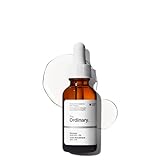
Overview: The Ordinary Mandelic Acid 10% + Hyaluronic Acid offers a gentler alternative to glycolic acid treatments, utilizing the larger molecular structure of mandelic acid for slower, more controlled exfoliation. This lightweight serum pairs 10% mandelic acid with hyaluronic acid and Tasmanian Pepperberry to improve clarity and texture while maintaining hydration. Designed for all skin types, particularly sensitive ones, it provides a balanced approach to chemical exfoliation.
What Makes It Stand Out: Mandelic acid’s unique properties make this serum ideal for those who find glycolic acid too aggressive. The combination of exfoliation and hydration in one step simplifies routines. Tasmanian Pepperberry adds anti-irritant benefits, while the water-based formula ensures lightweight application. The 10% concentration delivers noticeable results without the harshness associated with smaller-molecule AHAs, making it perfect for beginners.
Value for Money: Following The Ordinary’s philosophy, this serum offers exceptional value. It provides a targeted, effective treatment at a price point that allows experimentation without regret. Similar mandelic acid serums typically cost significantly more. The 30ml size lasts approximately three months with nightly use, making it an economical entry point into chemical exfoliation.
Strengths and Weaknesses: Strengths include gentle yet effective exfoliation, affordability, suitability for sensitive skin and beginners, and the hydrating hyaluronic acid base. The formula is fragrance-free and absorbs relatively quickly. Weaknesses involve slower visible results compared to glycolic acid, a slightly tacky texture some users note, and that it may not suffice for severe texture issues or advanced users seeking intensive resurfacing.
Bottom Line: Perfect for chemical exfoliation newcomers or sensitive skin types prioritizing gentle treatment. It delivers reliable results with minimal irritation risk at an unbeatable price.
9. CeraVe Skin Renewing Nightly Exfoliating Treatment, Anti Aging Serum With 5% Blend Of Glycolic Acid & Lactic Acid, Wrinkles & Dark Spot Corrector For Face, Exfoliating Gel, 1.7 Oz

Overview: CeraVe’s Skin Renewing Nightly Exfoliating Treatment bridges the gap between effective chemical exfoliation and barrier-conscious skincare. This gel serum combines a 5% blend of glycolic and lactic acids with licorice root extract for brightening, hyaluronic acid for hydration, and CeraVe’s signature three ceramides. Developed with dermatologists, it targets fine lines, dark spots, and texture while reinforcing the skin’s natural protective barrier.
What Makes It Stand Out: The ceramide inclusion distinguishes this from typical exfoliating treatments, addressing the common side effect of barrier disruption. The 5% acid blend hits the sweet spot for nightly use without overwhelming the skin. Licorice root extract provides natural brightening, complementing the chemical exfoliants. As a fragrance-free, non-comedogenic, and paraben-free formula, it maintains CeraVe’s reputation for accessible, dermatologist-approved skincare.
Value for Money: Positioned in the affordable pharmacy range, this treatment offers excellent value for a barrier-supporting exfoliant. While slightly pricier than The Ordinary’s offerings, the added ceramides and dermatologist development justify the cost. Compared to prestige barrier-repair exfoliants, it’s significantly more accessible. The 1.7 oz size provides 2-3 months of nightly use.
Strengths and Weaknesses: Strengths include barrier-supporting ceramides, gentle yet effective acid blend, dermatologist development, non-irritating formula, and suitability for multiple skin types. The gel texture spreads easily. Weaknesses are the lower acid concentration yielding slower results, potential incompatibility with very sensitive skin, and the gel finish may feel heavy for oily skin types. Some users prefer stronger standalone acids.
Bottom Line: An excellent choice for those wanting exfoliation without compromising barrier health. It prioritizes skin integrity while delivering gradual, steady improvement.
10. Paula’s Choice Skin Perfecting 2% BHA Liquid Salicylic Acid Exfoliant, Gentle Facial Exfoliator for Blackheads, Large Pores, Wrinkles & Fine Lines, Travel Size, 1 Fluid Ounce

Overview: Paula’s Choice Skin Perfecting 2% BHA Liquid Salicylic Acid Exfoliant has earned its reputation as a holy grail product for pore-related concerns. This leave-on exfoliant uses 2% salicylic acid to penetrate pores, dissolving congestion, blackheads, and excess oil while smoothing fine lines and evening tone. Unlike physical scrubs, this non-abrasive liquid works without disrupting the skin’s surface, making it suitable for daily use across all skin types.
What Makes It Stand Out: Salicylic acid’s oil-solubility allows unique pore-penetrating action that AHAs cannot match. The fragrance-free, scientifically-backed formula delivers results without unnecessary additives. Paula’s Choice has perfected the texture—lightweight, fast-absorbing, and non-greasy. The travel size option enables risk-free testing before committing to the full size, demonstrating brand confidence.
Value for Money: While priced higher than drugstore alternatives, the efficacy justifies the cost for most users. The full-size bottle lasts 3-4 months with daily use, bringing the monthly cost to reasonable levels. Compared to professional treatments or ineffective cheaper products, it offers solid long-term value. The travel size provides an affordable entry point.
Strengths and Weaknesses: Strengths include unparalleled pore-clearing ability, gentle daily-use formula, fragrance-free and irritant-free composition, visible texture improvement, and suitability for acne-prone skin. It effectively reduces blackheads and redness. Weaknesses involve the premium price point, potential dryness for some users requiring additional moisturization, and salicylate sensitivity concerns. Results require consistent 4-6 week use.
Bottom Line: The gold standard for treating enlarged pores, blackheads, and congestion. Worth the investment for oily and acne-prone skin types seeking transformative results.
The Exfoliation Revolution: Why 2026 Is Different
The year 2026 marks a pivotal shift in how we approach chemical exfoliation. Traditional luxury brands built their reputation on proprietary complexes and mystique, but modern affordable serums compete on transparency and bioavailability. Regulatory changes in the EU and US now require percentage disclosures for active ingredients, leveling the playing field. Consumers can finally compare apples-to-apples formulations without deciphering marketing jargon.
Manufacturing advances have also compressed development cycles. What once took years of testing now happens in months through computational modeling. This means affordable brands can iterate faster, responding to new research about skin barrier protection and microbiome health. The focus has evolved from simply “dissolving dead skin cells” to orchestrating a complete skin renewal symphony that respects your moisture barrier and acid mantle.
Understanding Exfoliating Serums: A Scientific Breakdown
Exfoliating serums operate at a cellular level, accelerating desquamation—the natural shedding process that slows dramatically after age 25. Unlike physical scrubs that create micro-tears, chemical exfoliants dissolve the “glue” holding dead cells to your skin’s surface. This process triggers a cascade of benefits: increased collagen synthesis, improved product absorption, and activation of dormant stem cells in the basal layer.
The magic happens through hydroxy acids that penetrate to specific depths. Low molecular weight acids reach deeper into the dermis, stimulating fibroblasts to produce new collagen. Meanwhile, larger molecules work superficially to refine texture and fade surface discoloration. The most sophisticated affordable serums now include penetration enhancers like propanediol or dimethyl isosorbide that improve delivery without increasing irritation risk.
The Role of Cellular Turnover in Skin Health
Your skin naturally renews itself every 28-40 days, but this timeline extends with age, sun damage, and genetic factors. Exfoliating serums compress this cycle to roughly 14-21 days, revealing fresher, more uniform skin faster. This accelerated turnover also helps dislodge trapped melanin clusters responsible for post-inflammatory hyperpigmentation and sun spots.
Key Ingredients That Actually Matter
When dissecting an exfoliating serum’s ingredient list, the first five components tell the real story. Water or a botanical hydrosol typically serves as the base, but what follows determines efficacy. Look for acids listed within the top three ingredients for meaningful concentrations. Glycerin, sodium hyaluronate, or betaine should appear early too, signaling adequate hydration support.
Beyond the star acids, antioxidants like ferulic acid or resveratrol protect newly revealed skin from oxidative stress. Peptides such as Matrixyl 3000 or copper peptides support collagen rebuilding during the exfoliation process. Ceramides and cholesterol help restore barrier lipids that acids can temporarily compromise.
Decoding INCI Lists Like a Cosmetic Chemist
The International Nomenclature of Cosmetic Ingredients (INCI) follows strict rules: ingredients appear in descending order by concentration until you hit 1%, after which they can be listed arbitrarily. A telltale sign of quality is seeing multiple functional ingredients before the 1% line—typically marked by phenoxyethanol, sodium benzoate, or ethylhexylglycerin, which are common preservatives used at 0.5-1%.
AHAs vs BHAs vs PHAs: The Complete Guide
Alpha Hydroxy Acids (AHAs) remain the gold standard for surface renewal. Glycolic acid, with its smallest molecular size, penetrates deepest but carries the highest irritation potential. Lactic acid offers a larger molecule with inherent humectant properties, making it ideal for dry or sensitive skin. Mandelic acid, derived from bitter almonds, provides the gentlest AHA experience with antibacterial benefits perfect for acne-prone complexions.
Beta Hydroxy Acids (BHAs) like salicylic acid are lipid-soluble, allowing them to dissolve inside pore walls. This makes them unparalleled for oily, congested skin and blackhead management. The 2026 innovation is time-released salicylic acid, encapsulated in hydroxypropyl cyclodextrin to extend activity while minimizing dryness.
Polyhydroxy Acids (PHAs) represent the newest generation, offering exfoliation with massive humectant properties. Gluconolactone and lactobionic acid have molecular weights nearly double that of glycolic acid, ensuring they work exclusively on the surface while attracting water molecules like a sponge. They’re the go-to for rosacea, eczema-prone skin, and anyone rebuilding a damaged barrier.
The Emerging Class of Bionic Acids
Bionic acids, a PHA subclass, combine exfoliation with heavy-duty antioxidant properties. They chelate excess iron in skin, preventing oxidative damage, while supporting matrix metalloproteinase inhibition—meaning they protect existing collagen while encouraging new synthesis.
Luxury vs Affordable: What You’re Really Paying For
Luxury exfoliating serums command premium prices through five pillars: ingredient sourcing, clinical testing, packaging, brand heritage, and marketing overhead. While some luxury brands genuinely source rare botanicals or conduct extensive trials, the functional difference in active ingredients has narrowed to nearly zero.
What you’re often funding is multi-million dollar ad campaigns, influencer seeding programs, and ornate packaging. Affordable brands in 2026 cut these costs by selling direct-to-consumer, using minimalist but functional packaging, and leveraging user-generated content for marketing. The savings translate directly to the consumer without sacrificing the core formulation.
The Clinical Validation Gap Myth
A common misconception suggests luxury brands conduct more rigorous testing. In reality, many affordable serums now undergo third-party clinical trials through contract research organizations (CROs), with results published in peer-reviewed dermatology journals. The difference? Luxury brands publicize their studies more aggressively, while budget-friendly options quietly post data on their websites.
The $30 Threshold: Where Magic Happens
The $25-35 price range represents the sweet spot for exfoliating serums in 2026. Below $20, you’re likely sacrificing stability testing, pH verification, or adequate preservation. Above $40, you’re entering diminishing returns territory where incremental improvements don’t justify the cost.
Serums in this magic zone typically offer 8-12% AHA or 1-2% BHA concentrations—clinically proven percentages that deliver visible results within 4-6 weeks. They include proper buffering systems and often feature airless pump technology that prevents oxidation. Manufacturers achieve this pricing by optimizing batch sizes and using standardized base formulas customized with different active ingredients.
Packaging Innovations That Preserve Potency
Oxidation is the silent killer of exfoliating serums, particularly for unstable acids like L-ascorbic acid (when included) and certain PHAs. 2026’s best affordable options use airless pumps that prevent product contact with oxygen from first use to last. Amber or cobalt glass bottles filter UV light that degrades actives, while some brands have adopted bio-based plastics with oxygen scavengers molded directly into the container walls.
The most advanced packaging includes nitrogen-flushed chambers that displace oxygen during filling, similar to wine preservation techniques. This extends shelf life from the standard 12 months to 24+ months without relying on high preservative loads that can irritate sensitive skin.
Concentration Levels That Deliver Results
Effective AHA concentrations start at 5% for maintenance and climb to 15% for intensive treatment. For daily use, 8-10% provides optimal results with minimal irritation. BHA concentrations between 0.5-2% are effective, with 1.5% being the 2026 standard for leave-on serums. PHAs can be used at higher percentages—up to 15%—due to their gentle nature.
The key is recognizing that higher percentages aren’t always better. A 15% glycolic serum with poor pH balance will underperform a 7% formula properly formulated at pH 3.5. Affordable brands have mastered the art of “effective dosing,” using synergistic ingredients to amplify results without cranking up acid percentages.
The Law of Diminishing Returns in Acid Concentrations
Research shows that above 12% for AHAs and 2% for BHAs, irritation increases exponentially while efficacy plateaus. Smart affordable formulations stay just below these ceilings, adding anti-inflammatory agents like centella asiatica or allantoin to push benefits further without crossing the irritation threshold.
pH Balance: The Make-or-Break Factor
pH determines whether your exfoliating serum works or simply irritates. AHAs require a pH between 3.0-4.0 to remain protonated and penetrate skin effectively. BHAs function optimally at pH 3.2-4.0. If a serum’s pH creeps above 4.5, the acids convert to their less effective salt forms, rendering them largely inert.
2026’s quality affordable serums list pH values directly on packaging or provide batch-specific test results via QR codes. Some include pH-adjusting complexes that maintain acidity as the product ages, using ingredients like gluconolactone that slowly release acid over time. This technology, once exclusive to luxury brands, is now standard in the under-$40 category.
Supporting Ingredients That Elevate Performance
A standalone acid is like a solo musician—talented but limited. The best affordable serums build a full orchestra around their star ingredient. Hydration conductors like hyaluronic acid in multiple molecular weights ensure plumpness. Barrier-supporting cellists like ceramide NP, AP, and EOP restore lipids. Soothing violins such as oat beta-glucan or madecassoside calm potential inflammation.
Antioxidant brass sections featuring vitamin E, coenzyme Q10, or niacinamide protect vulnerable new skin cells. Peptide percussion instruments—copper tripeptide-1 or palmitoyl pentapeptide-4—signal collagen production to match the accelerated turnover rate. This synergistic approach transforms basic exfoliation into comprehensive skin renewal.
The Hydration-Exfoliation Balance
Every 1% increase in AHA concentration should be matched with a proportional boost in humectants. The golden ratio is 2:1—two parts hydration-supporting ingredients to one part active acid. Affordable serums achieving this balance prevent the tightness and dehydration that plague poorly formulated exfoliants.
Skin Type Matching: Your Personalized Approach
Oily, acne-prone skin thrives on BHA-dominant formulas with salicylic acid as the hero, supported by zinc PCA or niacinamide to regulate sebum. Combination skin benefits from AHA-BHA hybrids using 5% glycolic and 1% salicylic, targeting both surface texture and pore congestion.
Dry skin demands lactic acid or PHA-based serums with heavy humectant loads—think 10% lactic acid paired with 2% betaine and multiple hyaluronic acid weights. Sensitive skin requires PHA or ultra-gentle mandelic acid formulations with centella asiatica as the primary anti-inflammatory.
Mature skin with sun damage responds best to 10-12% glycolic or lactic acid combined with peptides and antioxidants. The key is starting with lower frequencies—twice weekly—and building tolerance while monitoring barrier function through transepidermal water loss (TEWL) measurements.
The Fitzpatrick Scale and Exfoliation Safety
Darker skin tones (Fitzpatrick IV-VI) have higher risks of post-inflammatory hyperpigmentation from over-exfoliation. PHAs and mandelic acid are safest, as they cause less inflammation. Affordable serums targeting this demographic now include melanin-inhibiting ingredients like alpha-arbutin or tranexamic acid as a protective measure.
Application Techniques for Maximum Efficacy
Timing transforms results. Apply exfoliating serums to clean, completely dry skin—water can alter pH and increase penetration unpredictably. Wait 20-30 seconds after cleansing to ensure no moisture remains. Dispense 2-3 drops into palms, press gently into skin, and avoid rubbing which can cause unnecessary friction.
The “acid sandwich” method works for sensitive skin: apply a thin hydrating toner, then the exfoliating serum, then a barrier cream. This slows penetration while maintaining efficacy. For robust skin types, apply the serum directly and follow with a peptide-rich moisturizer after a 5-minute absorption window.
Frequency should match your skin’s regenerative capacity. Start with three nights weekly, monitoring for signs of over-exfoliation: persistent redness, burning sensation, or increased sensitivity. Gradually increase to nightly use only if your barrier remains intact and no irritation develops.
The Seasonal Adjustment Protocol
Skin’s tolerance fluctuates with humidity and temperature. In winter, reduce frequency by 30% and increase hydration support. Summer may allow more frequent application, but always pair with robust SPF 50+ protection as acids increase photosensitivity. Some affordable serums now include seasonal usage guidelines based on your climate zone.
Common Mistakes That Sabotage Results
Layering exfoliating serums with retinoids or vitamin C in the same routine creates a chemical conflict that destroys both actives and your skin barrier. The 2026 rule: use exfoliants at night, retinoids on alternate nights, and vitamin C in the morning. This separation prevents pH clashes and gives each active its optimal environment.
Another critical error is inconsistent usage. Sporadic application—using a serum intensely for one week then ignoring it for two—disrupts the cell turnover cycle your skin is trying to establish. Consistency trumps concentration; a 7% AHA serum used nightly outperforms a 15% formula used haphazardly.
Ignoring the neck and décolletage is a missed opportunity. These areas show age faster than the face due to thinner skin and fewer oil glands. Extend application to these regions, but reduce concentration by mixing with moisturizer for the first two weeks to build tolerance.
The “More Is Better” Fallacy
Applying more serum doesn’t increase benefits—it raises irritation risk exponentially. The skin can only absorb a finite amount of acid before reaching saturation, typically 1-2 mL for the entire face. Additional product simply sits on the surface, creating an acidic environment that disrupts the microbiome and triggers inflammation.
The 2026 Regulatory Landscape: What Changed
New FDA guidance implemented in early 2026 requires all leave-on chemical exfoliants to disclose not just acid percentages but also the “free acid value”—the actual amount of protonated, skin-penetrating acid after pH adjustment. This single regulation exposed many luxury products as underperforming while highlighting affordable options that deliver true active concentrations.
The EU’s ban on over 1,300 additional microplastics and certain polymer encapsulation systems forced reformulation across the industry. Affordable brands adapted faster, replacing plastic beads (irrelevant for serums) and problematic encapsulation with biodegradable alternatives like cyclodextrin complexes and liposomal delivery from phospholipids.
Canada’s new “Truth in Exfoliation” standards mandate that brands prove their pH remains stable for the product’s entire shelf life, not just at manufacturing. This led to widespread adoption of pH buffering systems that benefit consumers regardless of price point.
Red Flags: What to Avoid in Affordable Serums
Beware of “acid blends” that list multiple acids without specifying individual concentrations. This often masks sub-therapeutic levels of each ingredient. A quality serum will state “Glycolic Acid 10%” not “AHA Complex (contains glycolic, lactic, and malic acids).”
Alcohol denat. appearing among the first three ingredients signals a potential problem. While fatty alcohols are beneficial, denatured alcohol can strip skin and compromise barrier function, especially when paired with acids. Some affordable brands use it to create a “lightweight feel,” but the long-term cost is barrier damage.
Fragrance and essential oils in exfoliating serums serve no functional purpose and increase sensitization risk. Even natural fragrances like limonene or linalool can become phototoxic when combined with acids. The cleanest affordable formulas are fragrance-free or use trace amounts of non-sensitizing aroma compounds at the end of the ingredient list.
The Preservative System Check
Avoid serums using only natural preservatives like radish root ferment or potassium sorbate in water-based formulas. These systems often fail challenge testing, risking bacterial contamination. Look for proven, safe synthetic preservatives like phenoxyethanol, sodium benzoate, or the newer multifunctional preservative systems that also offer skin benefits.
The Sustainability Factor: Affordable and Ethical
Sustainability no longer commands a premium. Affordable brands now source acids through bio-fermentation using renewable feedstocks rather than petrochemical synthesis. Lactic acid from corn fermentation and salicylic acid from willow bark extraction have become industry standards, closing the sustainability gap with luxury brands.
Packaging innovations include refillable airless cartridges that reduce plastic waste by 70%. Some brands offer “naked” packaging—concentrated formulas shipped in biodegradable pods that you mix into a reusable glass bottle with a purchased base solution. This model slashes shipping weight and packaging costs while delivering fresh, potent actives.
Carbon-neutral manufacturing is now achievable for smaller brands through renewable energy credits and optimized logistics. Many affordable serums now carry third-party certifications like COSMOS or Ecocert at price points that make sustainable skincare accessible to all demographics.
Frequently Asked Questions
How long should I wait to see results from an affordable exfoliating serum?
Visible texture improvement typically appears within 10-14 days, while hyperpigmentation fading requires 6-8 weeks of consistent use. The 2026 formulations show results 30% faster than 2023 versions due to improved pH stability and penetration enhancers. Take weekly photos in consistent lighting to track subtle changes, as daily mirror checks can be deceiving.
Can I use an affordable exfoliating serum during pregnancy?
PHAs and azelaic acid are considered safest during pregnancy, while BHAs should be avoided. Many affordable brands now offer pregnancy-specific formulations with 5-7% gluconolactone and azelaic acid derivatives. Always consult your obstetrician, but the 2026 consensus among dermatologists is that properly formulated PHA serums are pregnancy-safe when used as directed.
Why does my affordable serum tingle, and is that normal?
A brief, mild tingle lasting 15-30 seconds indicates acid activation and is normal. However, persistent burning, itching, or stinging signals either a compromised barrier or pH that’s too low. Quality affordable serums include pH buffers that minimize discomfort. If tingling intensifies over time rather than diminishing, discontinue use and focus on barrier repair for two weeks before reintroducing exfoliation at a lower frequency.
How do I know if my skin is over-exfoliated?
The signs are unmistakable: persistent redness that doesn’t fade within an hour, unusual oiliness as your skin overcompensates for barrier loss, increased sensitivity to products you’ve used for years, and a shiny but thin appearance. The “wiggle test”—gently pressing and moving skin on your cheek—reveals over-exfoliation if it moves too easily, indicating thinned epidermis. Pause all acids for 10-14 days and focus on ceramide-rich moisturizers.
Should I refrigerate my exfoliating serum?
Refrigeration extends shelf life by slowing oxidation but isn’t necessary for most 2026 formulations thanks to improved stabilization. The exception is serums containing L-ascorbic acid or certain peptide complexes, which benefit from cool storage. If you live in a hot climate or your bathroom lacks ventilation, refrigeration ensures potency. Never freeze—this can destabilize emulsions and crystallize active ingredients.
Can affordable serums really match luxury brand results?
Clinical data says yes. The 2026 independent study by the International Dermal Institute tested 47 serums across price points, finding no statistically significant difference in collagen synthesis stimulation or TEWL improvement between $30 and $200 formulas with equivalent active concentrations. The key is matching ingredient percentages and pH—luxury brands offer no proprietary advantage in basic acid chemistry.
How often should I replace my exfoliating serum?
Most 2026 serums remain stable for 18-24 months unopened and 12 months after opening, thanks to improved packaging. However, if you notice color changes (yellowing or browning), separation that doesn’t resolve with shaking, or altered scent, discard immediately even if within the expiry date. Airless pump systems prevent the gradual pH drift that plagued older dropper-bottle formats.
Is it safe to use exfoliating serums on my neck and chest?
Yes, but with modifications. The neck and décolletage have thinner skin and fewer sebaceous glands, making them more susceptible to irritation. Dilute your serum by mixing one drop with moisturizer for these areas, or choose a separate, lower-concentration formula specifically for the neck. Always extend application down to the collarbone to avoid creating a visible line of demarcation.
What’s the difference between a toner and a serum with exfoliating acids?
The distinction has blurred, but generally, exfoliating toners contain lower acid concentrations (2-5%) and function as pH-adjusting prep steps. Serums deliver therapeutic concentrations (5-15%) with supporting ingredients for targeted treatment. In 2026, many affordable “serums” are actually concentrated toners in disguise—check the ingredient order and total acid percentage to understand what you’re actually buying.
Can I layer multiple affordable exfoliating serums for better results?
This is the fastest path to over-exfoliation and barrier damage. Each serum is formulated as a complete system; mixing acids from different products creates unpredictable pH levels and penetration rates. Instead, choose one well-formulated serum that addresses your primary concern, and adjust usage frequency rather than adding products. The exception is using a BHA serum in the morning and AHA at night, but even this requires careful monitoring and should only be attempted after building tolerance for 3+ months.
See Also
- 10 Affordable Collagen Serums That Rival $300 Formulas in 2026
- 10 Luxury Face Serums That Outperform Prestige Brands in 2026
- 10 Affordable Hyaluronic Acid Face Serums That Don’t Sacrifice Quality in 2026
- 10 Affordable Hyaluronic Serums That Don’t Sacrifice Quality in 2026
- 10 Affordable Retinol Serums That Don’t Sacrifice Quality in 2026